
Parents planning the occasional treat
A kano is a filled biscuit, not a digestive. If you want to save it for a special treat, first choose the type of product, then compare the portion size, packaging and ingredients.


Choose a kano if you’d like to give your child an almond-paste-filled biscuit as an occasional treat; choose a digestive if you’re looking for an unfilled wheat biscuit. For a regular snack, the Netherlands Nutrition Centre recommends options including fruit, vegetables and wholegrains. When choosing biscuits, check the portion size and current label, as well as the school or after-school club’s policy if you’re packing one to take along.
A kano is a filled biscuit, not a digestive. If you want to save it for a special treat, first choose the type of product, then compare the portion size, packaging and ingredients.
For something that often features after school or in a lunchbox, fruit, vegetables and wholegrain options are worth considering. The Netherlands Nutrition Centre recommends these food groups as snacks and school-friendly options for children.
Before packing a snack, read the label on the specific product and, if necessary, ask about the school or after-school club’s policy. The Albert Heijn, Jumbo and Aviateur kanos reviewed here list other allergens or possible traces in addition to cereals containing gluten.
First decide whether you’re looking for an occasional treat or a regular snack. If you’re choosing a biscuit, compare the product type, portion size and allergens on the exact pack.
Choose this when: You’re looking specifically for an almond-paste-filled biscuit for an occasional treat.
Things to consider: It’s a different type of product from a digestive; portion sizes and allergens vary by pack.
Choose this when: You’d like an unfilled wheat biscuit instead of a kano.
Things to consider: The name ‘digestive’ doesn’t mean it’s gluten-free: the AH Digestive reviewed here contains wheat.
Choose this when: You’re looking for something for a regular snack; the Netherlands Nutrition Centre recommends these options for children.
Things to consider: These aren’t a substitute for the taste of a filled treat biscuit.
| What to consider | What to check | Who it matters to |
|---|---|---|
| How often you’ll serve it | Decide whether you need a regular snack or an occasional biscuit; the Netherlands Nutrition Centre recommends fruit, vegetables and wholegrain options for snacks. | If I often need something for after school, I don’t want to automatically reach for a biscuit. Around 36% of consumers prioritise having a suitable regular snack option. |
| Allergens and school policies | Check the ingredients, allergen information and trace warnings on the pack; also ask about the school or after-school club’s rules. | If I’m packing food for someone or sharing it, it needs to suit any allergies and comply with local rules. An estimated 29% of consumers give this the highest priority. |
| Portions and packing | Compare the stated portion size and number of portions; Albert Heijn lists 45 g per portion for its butter kanos, while Jumbo lists 55 g for its regular kanos. | I want to be able to decide in advance how many biscuits to pack and how to wrap them. For around 21% of consumers, practical portioning matters most. |
| Type of biscuit | Choose between a kano with almond paste and a digestive biscuit; compare the nutritional information per 100 g and per actual portion. | For a treat, I’m mainly looking for the filled texture of a kano, not just any biscuit. An estimated 14% of consumers prioritise this preference. |
A kano is a filled biscuit. For regular snacks, the Netherlands Nutrition Centre also recommends fruit, vegetables and wholegrain options for children.
Decide how often you want to offer a snack, and save a kano for a treat.
The AH Digestive reviewed here contains wheat; a product’s name doesn’t tell you which allergens it contains.
Check the ingredients, allergen information and any trace warning on the pack you’re buying.
The Albert Heijn, Jumbo and Aviateur kanos reviewed here also list other allergens, including combinations of milk, egg, soya and almonds.
Read the full allergen information and check the school or after-school club’s policy before packing biscuits or sharing them.
Albert Heijn sells both AH Roomboter Kanos, a filled biscuit, and AH Digestive, a wheat biscuit.
Jumbo Kano’s met Roomboter are filled biscuits with almond paste.
The Aviateur Kanos reviewed here are filled biscuits listed as a 230 g pack on the PLUS product page.
These products are digestive biscuits for anyone looking for a biscuit after school rather than a filled kano. Choose between the original and a chocolate variety, and check the current packaging and school or after-school club policy before packing one to take along.
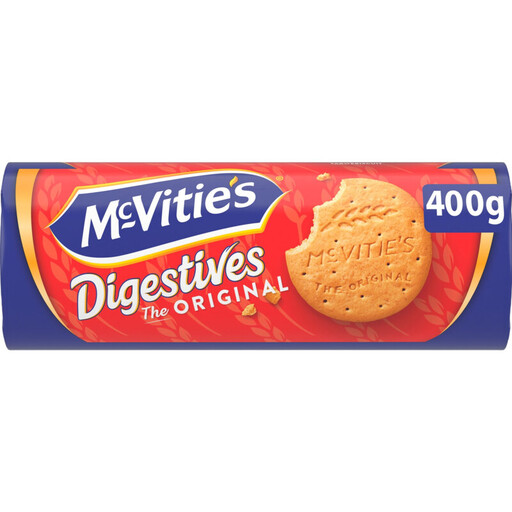 No image available
For anyone looking for an original digestive biscuit instead of a filled kano. The pack contains 400 g; check the portion size and allergens on the label before packing any to take along.
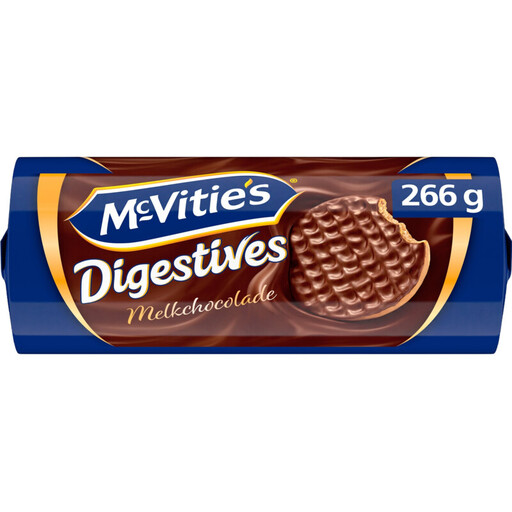 No image available
For anyone who’d like a milk chocolate digestive for an occasional biscuit treat. The pack contains 266 g; check the current portion size and allergens before packing any biscuits to take along.
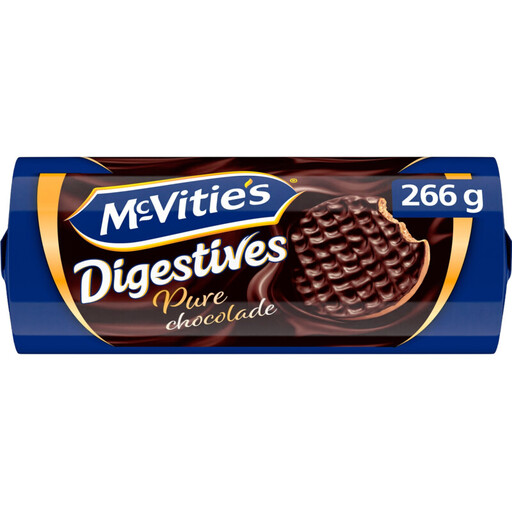 No image available
For anyone looking for a dark chocolate digestive for an occasional treat. The pack contains 266 g; decide on the portion size using the label and read the allergen information.
No, they’re different types of biscuit. The Albert Heijn and Jumbo kanos reviewed here are butter biscuits filled with almond paste; AH Digestive is a wheat biscuit. So first decide whether you want a filled biscuit or an unfilled one.
Don’t assume they are: the Albert Heijn, Jumbo and Aviateur kanos reviewed here list cereals containing gluten or wheat. Check the allergen information for the exact variety you’re buying.
No. According to Albert Heijn, the AH Digestive reviewed here contains wheat flour and wholemeal wheat flour. For other digestives, check the current ingredients and allergen information too.
Read the label on the biscuits you’ve chosen and ask about the relevant school or after-school club’s policy. The Netherlands Food and Consumer Product Safety Authority explains the mandatory allergen information on food labels; a correct label won’t tell you what rules a school has about bringing in or sharing food.
Follow the storage instructions and use-by date on the pack you’ve bought. The product information reviewed here says to store them in a cool, dry place; Albert Heijn recommends keeping its butter kanos in a sealed tin after opening.