
A student looking for a small sweet treat
You want something crunchy with tea or coffee and would rather have one biscuit at a time than a larger filled pastry.


Choose a plain digestive if you want to have one biscuit at a time while studying; choose a kano if you’d prefer a larger biscuit filled with almond paste for a planned snack break. Compare the serving size and nutritional information on the specific packs, as the product name alone doesn’t tell you enough about what’s in them. The Netherlands Nutrition Centre also recommends eating and drinking regularly during test and exam weeks.
You want something crunchy with tea or coffee and would rather have one biscuit at a time than a larger filled pastry.
You’re after a butter-rich biscuit with almond paste filling and are deliberately choosing the larger portion of a kano.
You read the ingredients for the variety you’ve chosen before buying. Wheat is relevant for the digestive we looked at; the kano we looked at also contains milk, egg, soya and almond.
Start with the portion you want, then compare the nutritional information and ingredients for the specific digestive or kano.
| What to consider | What to check when buying | Who is this important for? |
|---|---|---|
| Portion while studying | Check the serving size and nutritional value per serving. Jumbo lists a 55 g serving for its butter kano; McVitie's lists one biscuit as a serving for Digestive Original. | During a study session, I want to take one biscuit beforehand rather than keep eating from the pack; around 45% of consumers give portion control top priority. |
| Nutritional information | Compare sugars, fibre, saturated fat and salt per 100 g and per serving, using the information for the variety you’ve chosen. | When comparing products, I want to know what’s in the biscuit I’ve chosen rather than relying on the name digestive or kano; for around 33% of consumers, the ingredients and nutritional make-up matter most. |
| Filling and snack break | Check the filling, the number of servings per pack and the allergens. Jumbo lists 38% almond paste filling for its butter kanos. | If I’m deliberately choosing a filled biscuit, the almond paste and having a dedicated snack break are what matter most to me; around 22% of consumers put this treat first. |
Ingredients vary from product to product. For example, McVitie's Digestive Original and AH Digestive list different amounts of saturated fat per 100 g.
Compare the nutritional information for the varieties you’re actually considering, both per 100 g and per serving.
The Jumbo butter kano we looked at has a serving size of 55 g. One McVitie's Digestive Original is counted as one biscuit per serving, so one biscuit isn’t a useful unit for comparing the two products.
Decide how much you want beforehand and set that portion aside before getting back to your studies.
McVitie's Digestive Original contains wheat and may contain milk. The Jumbo kano we looked at contains wheat, milk, egg, soya and almond, among other ingredients.
Check the current ingredients list and allergen information for the variety you’ve chosen, even if you’ve bought it before.
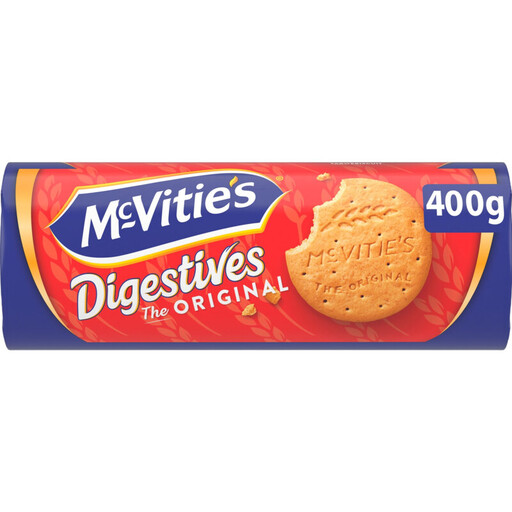
Digestive Original is a wheat biscuit for anyone who wants to have one biscuit at a time.
The own-brand range includes both a digestive and a butter kano, so you can compare two different types of biscuit.
Jumbo lists a butter kano with almond paste filling and also sells McVitie's Digestives Original.
Verkade Digestive Original is another recipe you can compare with other digestives.
According to Lidl, Sondey Kanos are butter-rich biscuits filled with almond paste.
ALDI lists Heerlijck Banket Kanos as kanovorm pastries.
This product is a good fit if you want to have a plain digestive one biscuit at a time while studying. If you’re considering a kano with almond paste filling instead, use the comparison above.
 No image available
For anyone who wants to have one biscuit at a time while studying. The product information lists one biscuit as a serving and gives nutritional values per 100 g; check the serving size on the current pack. Contains wheat and may contain milk.
A digestive suits anyone who wants to have one biscuit at a time; a kano suits anyone deliberately choosing a larger, filled biscuit. Neither replaces eating and drinking regularly during a test or exam week, as recommended by the Netherlands Nutrition Centre.
Read the allergen information on the specific pack. McVitie's Digestive Original contains wheat and may contain milk; Jumbo Butter Kanos contain wheat, milk, egg, soya and almond, among other ingredients. Ingredients may vary between varieties.
Seal the pack or biscuit tin securely and follow the storage and best-before information on the packaging. The product listings we looked at say the biscuits should be stored in a cool, dry place.
Don’t treat a claim like that as proof that the biscuit will improve your study performance. Before buying, check the ingredients, nutritional information and allergens; the Netherlands Food and Consumer Product Safety Authority says that information on food labels must be honest and clear.