
Anyone looking for a cocoa note with drinks
You want to serve a distinct chocolate flavour alongside a kano. For you, the difference between an almond-paste biscuit and a chocolate bar matters more than a product name that includes ‘dark’.


Choose a butter-rich kano if you want the almond-paste filling to take centre stage. Albert Heijn, Jumbo, PLUS and Lidl describe their kanos as butter biscuits with almond paste, not as kanos with dark chocolate. If you’d also like a clear cocoa note with your drinks, serve dark chocolate separately and check the cocoa percentage on the packaging. A biscuit with dark chocolate is another option, but that doesn’t make it a kano or a high-cocoa product.
You want to serve a distinct chocolate flavour alongside a kano. For you, the difference between an almond-paste biscuit and a chocolate bar matters more than a product name that includes ‘dark’.
You’re mainly looking for a butter-rich kano with almond paste. Dark chocolate can go alongside it, but it doesn’t need to replace the flavour of the kano.
You want to know which allergens are listed on the current packaging before buying and serving, including for products that will be served alongside the kano.
First decide whether you want to serve a kano with almond paste, add a separate cocoa note or replace the kano with a different biscuit. Then check the product information for everything you plan to serve together.
Choose this if: you want a familiar almond-paste biscuit to take centre stage.
Consider: the kanos mentioned by Albert Heijn, Jumbo, PLUS and Lidl are described as containing almond paste, not dark chocolate.
Choose this if: you want to keep the kano and check the cocoa percentage of the extra product.
Consider: the chocolate remains a separate product; serving it alongside the kano doesn’t turn it into a dark chocolate kano.
Choose this if: a chocolate biscuit matters more to you than the shape and almond-paste filling of a kano.
Consider: Verkade lists 2% dark chocolate in its Duo'tjes Chocolade product; that doesn’t support choosing it for a high cocoa content.
| What to consider | What to check before buying | Who it matters to |
|---|---|---|
| Cocoa note | Check whether the cocoa percentage is listed for the chocolate and whether you want to serve it separately from the kano. | I want to serve a product with a clearly stated cocoa percentage alongside the sweet almond-paste biscuit, even if it’s a separate bar. For around 40% of consumers, this cocoa note comes first. |
| Almond paste and sharing | Compare the described filling, pack size and any portion information. | When I’m serving kanos to a group, I mainly want to share a familiar biscuit with almond paste; chocolate is an optional extra. The almond-paste kano is the first choice for around 30% of consumers. |
| Allergens and storage | Read the current label, including ‘may contain’ warnings, and follow the storage instructions after opening. | Before serving anything to guests, I want to check which allergens are listed and how to store an opened pack of biscuits. For around 30% of consumers, this check takes priority. |
The kanos mentioned by Albert Heijn, Jumbo, PLUS and Lidl are described as butter biscuits with almond paste. A separate piece of dark chocolate doesn’t change what the kano is made of.
Use the description only for a kano whose label confirms it’s a chocolate variety. Check the cocoa percentage on the product it refers to.
Ingredients and warnings about possible cross-contamination vary by product and can change. This matters when serving biscuits and chocolate together, too.
Check the current packaging every time you buy. If in doubt, don’t assume an allergen is absent.
How you store biscuits can affect their quality before your next get-together.
Follow the label. The Netherlands Nutrition Centre advises storing biscuits in a cool, dry, dark place in a tightly sealed container.
These product ranges show what you can compare as a kano or as a separate chocolate accompaniment; they aren’t interchangeable types of product.
Albert Heijn describes its butter-rich kanos as biscuits containing 41% almond paste and 1% almonds.
Jumbo describes its 275 g Kano's met Roomboter as butter biscuits containing 38% almond paste.
PLUS describes its 275 g butter-rich kanos as biscuits with almond paste and an almond decoration.
Lidl Nederland describes Sondey Kano's, 325 g, as butter biscuits filled with almond paste.
Verkade offers a separate chocolate accompaniment or a different biscuit here, not a described dark chocolate kano.
These Joybuy products are chocolate bars to serve separately alongside a kano. Choose based on the stated cocoa percentage and check the current allergen information for your guests; none of these bars is a kano.
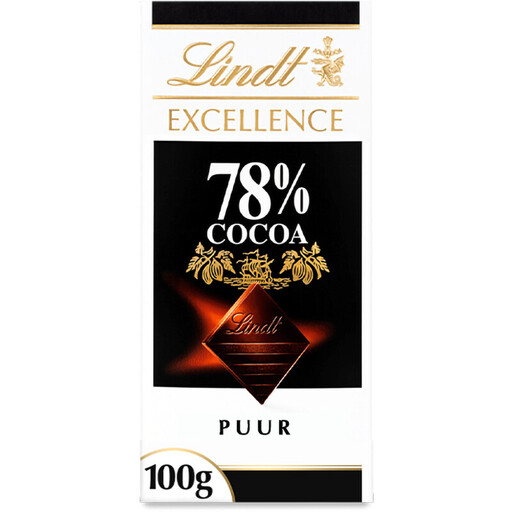 Image unavailable
A separate chocolate bar for serving with a kano if you want to add a cocoa note. The product name states 78% cocoa and 100 g; check the current packaging for allergens.
 Image unavailable
A separate chocolate bar to add to the same sharing platter as a kano. The product name states 70% cocoa and 100 g; check the packaging to see which allergens are present or may be present.
 Image unavailable
A separate bar for when the stated cocoa percentage is a key factor in your choice of chocolate accompaniment. The product name states 90% cocoa and 100 g; check the packaging for allergens and ‘may contain’ warnings.
No, not according to the product descriptions mentioned. Albert Heijn, Jumbo, PLUS and Lidl describe their kanos as butter biscuits with almond paste; check the label of a specific variety before calling it a dark chocolate kano.
Serve the chocolate separately alongside the almond-paste kano. For example, Verkade states that its Puur Voordeelreep contains at least 52% cocoa solids; that percentage applies to the bar, not the kano.
Read the current packaging for each product, including warnings about possible cross-contamination. Ingredients and allergens can vary between kanos and chocolate bars; don’t assume anything based on the product type alone.
Follow the instructions on the packaging and seal the biscuits tightly. The Netherlands Nutrition Centre advises storing biscuits in a cool, dry, dark place in a tightly sealed container.