
Parents looking for a sweet biscuit with less sugar
If your child likes a biscuit after school, compare the total and added sugars on the packaging. Don’t assume regular Kanos are a lower-sugar option based on their name.


A regular Kano isn’t a well-supported choice if you’re looking for a lower-sugar biscuit: Albert Heijn lists 39 g of sugars per 100 g for its AH Roomboter Kanos, including 38 g of added sugars. For an occasional sweet biscuit, you can compare the packaging with other biscuits. For a regular after-school snack, the Netherlands Nutrition Centre recommends options including vegetables, fruit and wholemeal bread for children aged 4 to 12. Check the allergens for every packaged option and, if the snack is going with your child, check the rules at their school or childcare setting.
If your child likes a biscuit after school, compare the total and added sugars on the packaging. Don’t assume regular Kanos are a lower-sugar option based on their name.
If snack time is a regular part of your routine, you could look beyond the biscuit aisle too. For children aged 4 to 12, the Netherlands Nutrition Centre recommends snacks such as vegetables, fruit and wholemeal bread.
Read the allergen information on the packaging you’re sending in, and ask about the rules at your child’s school or childcare setting. Less sugar tells you nothing about whether a product contains ingredients such as cereals containing gluten, milk or soya.
Your choice depends mainly on the occasion: do you want to give your child a Kano now and then, compare it with another sweet biscuit, or choose something that features more regularly in their after-school routine?
When it may be suitable: If you’re deliberately choosing a sweet pastry biscuit for an occasional treat.
Things to consider: Albert Heijn lists 39 g of sugars per 100 g for its AH Roomboter Kanos. Check the packaging for allergens too.
When it may be suitable: If you want to stick with biscuits and are specifically looking for one with no added sugars.
Things to consider: Verkade describes San Francisco Zero as a biscuit with no added sugars, not a Kano. According to Verkade, it contains ingredients including wheat, milk and soya.
When it may be suitable: If you want to offer something other than a pastry for a regular after-school snack.
Things to consider: Vegetables, fruit and wholemeal bread are examples recommended by the Netherlands Nutrition Centre. For other options, such as nuts, check they’re suitable for your child and comply with the school rules.
| What to consider | What to check when buying | Who it matters to |
|---|---|---|
| Sugar in a sweet biscuit | Compare sugars per 100 g and per portion; check added sugars separately if they’re listed. | I want to be able to give my child a sweet biscuit after school, but sugar is an important factor in my choice. Around 36% of consumers say that less sugar in a sweet biscuit is their top priority. |
| A regular snack | Decide whether it’s for a regular routine or an occasional treat, and compare other types of snacks too. | If a snack is needed on almost every school day, I don’t want to keep choosing a sweet pastry biscuit. For around 46% of consumers, choosing a snack for a regular occasion comes first. |
| Allergens and school rules | Read the ingredients and allergen information on the current packaging, and ask which snacks are allowed. | Before I pack anything, I need to know whether it’s suitable for my child’s allergies and allowed at school. This is the main consideration for around 18% of consumers. |
The name Kano doesn’t mean the recipe contains less sugar. Albert Heijn lists 39 g of sugars per 100 g for its AH Roomboter Kanos; Jumbo lists 36,8 g per 100 g for its butter Kanos.
Compare the nutritional information for the options you’re actually considering on the same basis, such as per 100 g, then check the portion size.
That statement doesn’t tell you which allergens or other ingredients a biscuit contains. Verkade describes San Francisco Zero as a biscuit with no added sugars, but also lists maltitols, wheat, milk and soya.
When comparing biscuits, check the ingredients, allergens and nutritional information as well as the sugar claim.
Ingredients and allergen information can change. What’s more, the information on a product page doesn’t tell you which snacks are allowed at a particular school or childcare setting.
Check the packaging you have in front of you, and ask the school or childcare setting about its current rules before sending the snack in.
San Francisco Zero is a biscuit you can compare with a regular Kano; it isn’t a Kano itself.
AH Roomboter Kanos are a specific regular Kano option whose nutritional information you can compare with other products.
ALDI describes Heerlijck Banket Kanos as a regular pastry biscuit, sold in a 330 g pack.
These products offer two alternatives to a regular Kano: crackers as a snack that isn’t a sweet biscuit, and biscuits or a cereal bar to compare by their ingredients and nutritional information. None of these products is a Kano.
 Image unavailable
A cracker to consider if you’d like to give your child something other than a sweet biscuit after school.
If allergies are a concern, check the packaging for rye, barley and other cereals containing gluten. Also consider whether the portion and any toppings are suitable for snack time.
 Image unavailable
Another cracker for anyone who wants to alternate a sweet biscuit with a snack that doesn’t taste like a biscuit.
If they’re relevant to your situation, check the packaging for sesame and cereals containing gluten, including oats, rye and wheat.
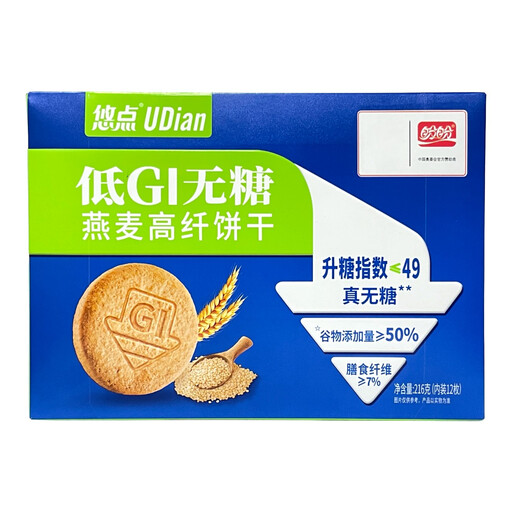 Image unavailable
A biscuit option for anyone who wants to compare a sweet snack with a regular Kano, without treating the two products as the same type of biscuit.
The product information lists maltitol and 11,7 g of sugars per 100 g, so don’t interpret a claim such as ‘sugar-free’ as meaning it contains no sugars. Check the packaging for wheat, soya, oats and egg too.
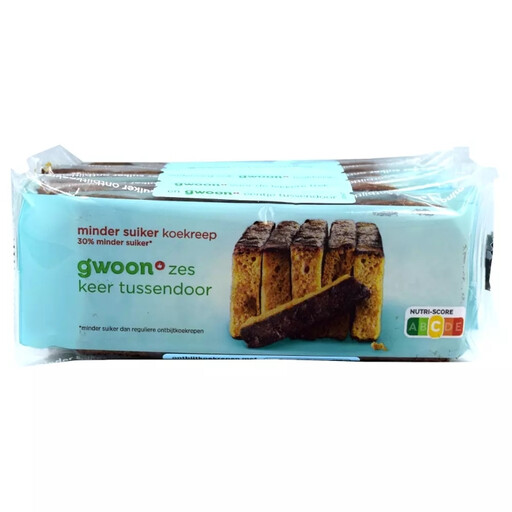 Image unavailable
A cereal bar to compare with a Kano if you’re considering a different kind of packaged sweet snack.
Before taking the ‘Less Sugar’ claim into account, check the sugars per 100 g and per portion on the current packaging. If you have allergies, also read the ingredients and warnings about the possible presence of allergens.
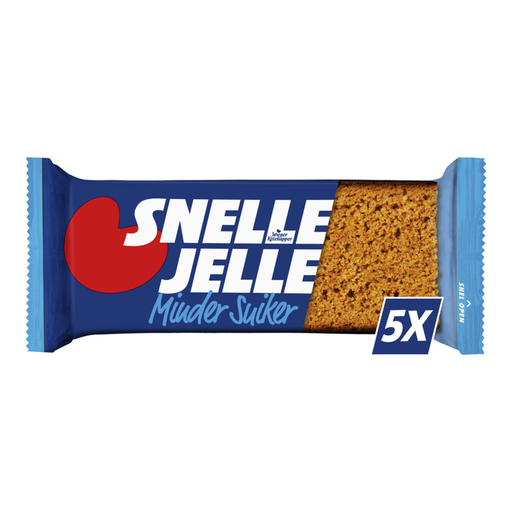 Image unavailable
Breakfast cake instead of a Kano may be a good fit if you need a snack that’s easy to take with you, but it’s a different type of product.
If your aim is to reduce sugar, compare the sugars and portion size on the current packaging. If you have allergies, also check the information about rye, other cereals containing gluten and the possible presence of nuts or milk.
The nutritional information for the regular options mentioned doesn’t suggest that they are. Albert Heijn lists 39 g of sugars and 38 g of added sugars per 100 g for its AH Roomboter Kanos; Jumbo lists 36,8 g of sugars per 100 g for its butter Kanos. If you’re considering another option, check the current packaging before comparing.
That claim alone isn’t a reason to make a biscuit a regular choice. Verkade describes San Francisco Zero as a biscuit with no added sugars, but also lists maltitols and allergens. For regular snacks for children aged 4 to 12, the Netherlands Nutrition Centre also recommends options such as vegetables, fruit and wholemeal bread.
Check the allergens on the packaging you’re sending in, and ask the school or childcare setting which products are allowed. Ondernemersplein explains allergen labelling for prepacked foods in the Netherlands; this labelling doesn’t replace checking your child’s needs or the school’s rules.