
Gamers who want to snack strictly sugar-free
You want to choose a sweet snack that can genuinely be described as sugar-free. In that case, the amount of sugars per 100 g is what matters, not just a claim on the front of the pack.


If you want to snack strictly sugar-free, you can’t assume a regular kano pastry fits the bill without checking the label: according to Albert Heijn, AH BASIC Kano’s contain 38 g of sugars per 100 g. A sugar-free biscuit is a different type of product, and you’ll still need to consider the portion size and other nutritional information. If you’re mainly looking for something to eat regularly between meals, fruit, vegetable sticks, unsalted nuts or wholemeal bread are other options recommended by the Netherlands Nutrition Centre.
You want to choose a sweet snack that can genuinely be described as sugar-free. In that case, the amount of sugars per 100 g is what matters, not just a claim on the front of the pack.
You’re looking for something sweet to eat while gaming, but you also want to assess the portion size, nutritional value, ingredients and any polyols.
You don’t necessarily need a biscuit alternative. Fruit, vegetable sticks, unsalted nuts and wholemeal bread are other snacks recommended by the Netherlands Nutrition Centre.
First decide whether sugar-free is a strict requirement, or whether you’re mainly looking to replace a sweet biscuit break. If you often get hungry while gaming, you could also consider a different kind of snack.
| What to consider | What should you check? | Who is this most important for? |
|---|---|---|
| Strictly sugar-free | Check ‘of which sugars’ per 100 g. Under EU Regulation (EC) No 1924/2006, a product labelled ‘sugar-free’ must contain no more than 0.5 g of sugars per 100 g. | If I really want to snack sugar-free, ‘no added sugars’ isn’t enough for me. Around 45% of consumers prioritise this strict sugar limit. |
| A sweet biscuit break | Compare the portion size and energy per portion; if the biscuits contain polyols, check the ingredients too. | I want to be able to grab something sweet while gaming, even if it isn’t a kano pastry. For around 33% of consumers, an easy biscuit alternative like this is the priority. |
| A regular snack between meals | Also consider fruit, vegetable sticks, unsalted nuts or wholemeal bread. For packaged products, compare the nutritional information. | When I often get hungry between meals, I don’t always want a sweet biscuit. This wider choice of snacks is the priority for around 22% of consumers. |
These are different claims. Under EU Regulation (EC) No 1924/2006, ‘sugar-free’ means a maximum of 0.5 g of sugars per 100 g or 100 ml.
For a packaged biscuit, check the exact claim and the ‘of which sugars’ figure per 100 g.
According to Albert Heijn, AH BASIC Kano’s contain 38 g of sugars per 100 g, and sugar is listed first in the ingredients. That doesn’t necessarily apply to every other recipe.
Check the ingredients and nutrition table for the specific kano pastry you’re planning to buy.
Céréal states that its Chocolate Chip Cookies contain 0 g of sugars, 26 g of polyols and 414 kcal per 100 g. The Netherlands Nutrition Centre notes that a high intake of polyols can cause wind and diarrhoea.
Compare the amount you plan to eat with the stated portion size, and check the rest of the nutritional information too.
A claim doesn’t tell you how much sugar, fat or fibre a product contains overall. That’s why the Netherlands Nutrition Centre also recommends checking the ingredients list and nutrition table.
Compare packaged snacks per 100 g, then consider how much you want to eat in one sitting.
AH BASIC Kano’s are traditional kano pastries with almond paste, not an example of a sugar-free biscuit.
Jumbo Kano’s met Roomboter are traditional butter biscuits with almond paste.
Céréal Chocolate Chip Cookies are a sugar-free biscuit alternative, but they aren’t kano pastries with almond paste.
These products show some alternatives to a traditional kano pastry: a sweet product whose exact type you should check, wholemeal crackers and unsalted peanuts. If you’re choosing strictly sugar-free, always check the nutritional information on the pack you select.
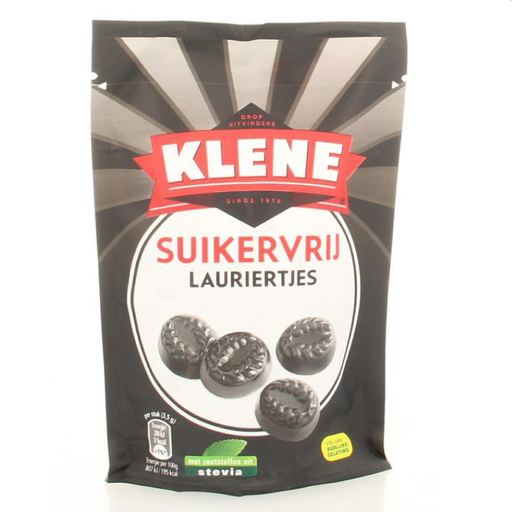 Image unavailable
If you’re looking for a sweet alternative to a kano pastry, check whether the pack contains biscuits or liquorice, as the product descriptions vary. For a strictly sugar-free choice, check the sugars per 100 g and look at the polyols and portion size too.
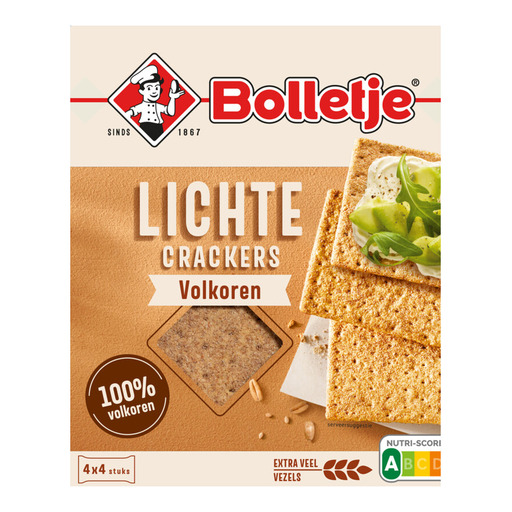 Image unavailable
These wholemeal crackers are an option if you’d prefer something savoury to a sweet kano pastry. ‘Whole grain’ doesn’t mean a product is sugar-free, so check the sugars per 100 g and, if useful, compare the nutritional values per cracker.
 Image unavailable
Unsalted peanuts are suited to a savoury snack, rather than replacing the flavour of a kano pastry. Peanuts are an allergen, so if you have an allergy, check the pack. Consider the portion size when comparing snacks.
Don’t assume they are: according to Albert Heijn, AH BASIC Kano’s contain 38 g of sugars per 100 g, with sugar listed as the first ingredient. Recipes can vary, so check the pack of the product you choose.
Under EU Regulation (EC) No 1924/2006, a food labelled ‘sugar-free’ must contain no more than 0.5 g of sugars per 100 g or 100 ml. ‘No added sugars’ is a different claim; if you’re following a strict limit, check the nutrition table.
No, a sugar-free biscuit isn’t automatically a kano pastry with almond paste. As well as the sugars, compare the ingredients, portion size and nutritional value to see whether it suits the kind of biscuit break you have in mind.
The Netherlands Nutrition Centre says that a high intake of polyols can cause wind and diarrhoea. So, if a biscuit contains polyols, check the ingredients and consider how much you plan to eat at a time.
Fruit, vegetable sticks, unsalted nuts and wholemeal bread are other snacks recommended by the Netherlands Nutrition Centre. Choose what suits your appetite, and check the nutritional information and allergen details on packaged products.