
Biscuit shoppers with coeliac disease
You’re looking for a biscuit to enjoy with your coffee, but you shouldn’t choose a Kano just because of its shape. Check the current packaging to see whether the biscuit is labelled gluten-free.


If you have coeliac disease, don’t choose a biscuit based on its name or the fact that it’s labelled dark chocolate: Jumbo lists wheat flour in its Kano biscuits with butter, and Albert Heijn lists wheat flour in Céréal Choco delight dark. First look for a gluten-free label on the current packaging, then check the type of chocolate and any other allergens. The gluten-free Verkade Oaties with chocolate mentioned here contain milk chocolate and aren’t a Kano biscuit.
You’re looking for a biscuit to enjoy with your coffee, but you shouldn’t choose a Kano just because of its shape. Check the current packaging to see whether the biscuit is labelled gluten-free.
You prefer a dark chocolate flavour. That doesn’t tell you anything about the ingredients in the biscuit underneath: Albert Heijn, for example, lists wheat flour in Céréal Choco delight dark.
You check for ingredients other than gluten, too. PLUS lists egg, milk, nuts and hazelnut among the allergens in its gluten-free chocolate chip cookies; soya is something to watch out for in the Schär Choco Chip Cookies sold by PLUS.
Start by checking the gluten-free label and ingredients on the packaging. Then compare the type of biscuit, the chocolate and any other allergens.
| What to consider | What to check when buying | Who it matters to |
|---|---|---|
| Gluten-free labelling | Read the information on the current packaging and check the ingredients for gluten-containing cereals. | When I’m choosing a biscuit because I have coeliac disease, suitability comes before shape or flavour. Around 36% of consumers put this check first. |
| Dark chocolate | Check the type of chocolate separately from the gluten-free label; dark chocolate says nothing about the rest of the biscuit. | I’d rather have a dark chocolate flavour than milk chocolate, but only in a biscuit that meets my gluten-free requirements. Around 29% of consumers say this flavour is their top priority after that. |
| Other allergens | Read the full allergen information too, for example if you need to avoid milk, egg, soya or nuts. | As well as gluten, I need to check for another allergen before considering a biscuit. This extra check matters most to around 21% of consumers. |
| Finding an alternative | Look among biscuits labelled gluten-free, then assess each product individually using its packaging. | If a Kano with dark chocolate isn’t available, I look for another biscuit that meets my requirements. Around 14% of consumers put finding an alternative like this first. |
The chocolate coating doesn’t determine which ingredients are in the biscuit. Albert Heijn lists 46% wheat flour in Céréal Choco delight dark.
Use dark chocolate as a flavour preference, then check the gluten-free label and ingredients for the whole product.
A familiar biscuit shape doesn’t mean it’s gluten-free. Jumbo’s ingredients list for its Kano biscuits with butter includes wheat flour.
If you have coeliac disease, only choose a Kano when the current packaging clearly says it’s gluten-free and you’ve checked the ingredients.
A gluten-free biscuit may contain other allergens. PLUS’s product information lists egg, milk, nuts and hazelnut among the allergens in its gluten-free chocolate chip cookies.
If you need to avoid additional allergens, check the full information on the packaging of the exact variant you’re buying.
Verkade describes its Oaties as gluten-free oat biscuits; there’s also a milk chocolate version.
PLUS describes Schär Choco Chip Cookies as gluten-free and wheat-free.
Albert Heijn groups together a range of gluten-free biscuits, including a filled biscuit and Verkade Oaties with milk chocolate.
PLUS lists its gluten-free chocolate chip cookies as an alternative in this type of biscuit.
Jumbo’s Kano biscuits with butter show why a classic Kano needs to be assessed on its own merits.
These Oaties are an option if you’re looking for a biscuit labelled gluten-free with chocolate and you’re happy with milk chocolate. It isn’t a Kano and doesn’t offer the dark chocolate flavour you’re looking for.
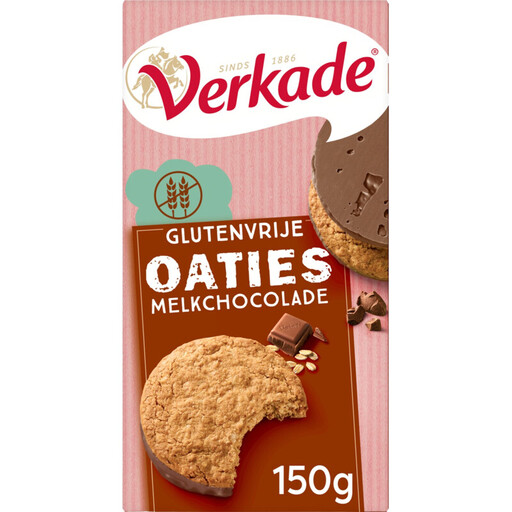 Image unavailable
If you’re looking for a biscuit with chocolate and are happy to forgo the Kano shape or dark chocolate flavour, this is an alternative to consider. Joybuy describes this 150 g version as gluten-free and lists milk chocolate; check the gluten-free label and allergens on the current packaging.
No. The chocolate flavour tells you nothing about the ingredients in the whole biscuit. Albert Heijn lists wheat flour as an ingredient in Céréal Choco delight dark, so always check the gluten-free label as well.
Not based on the product name alone: according to Jumbo, its Kano biscuits with butter contain wheat flour and aren’t a gluten-free option. Check the current packaging of any other Kano you’re considering.
First check the gluten-free label, then read the ingredients and allergen information for the variant you’ve chosen. The Netherlands Food and Consumer Product Safety Authority says the name of any gluten-containing cereal must appear in the ingredients list; also look out for any other allergens that are relevant to you.
No. Don’t rely on the word ‘oat’ alone. The Dutch Coeliac Association warns that oats not specifically labelled gluten-free may be contaminated with gluten, so check the gluten-free label on the biscuit’s current packaging.