
Fans of dark chocolate flavour
If you want a pronounced cocoa flavour with your kano, you can compare the cocoa percentage of a separate piece of dark chocolate. The kano pastries described by Jumbo and PLUS are almond-paste-filled biscuits.


If you’re looking for a dark cocoa flavour to enjoy with your afternoon coffee, don’t choose based on the name kano: the kano pastries described by Jumbo, PLUS and Aviateur are almond-paste-filled biscuits. Having a separate piece of dark chocolate alongside a kano lets you choose a cocoa percentage, but it doesn’t change the pastry’s nutritional value or allergens. So be sure to compare the portion size, sugars and ingredients of both products.
If you want a pronounced cocoa flavour with your kano, you can compare the cocoa percentage of a separate piece of dark chocolate. The kano pastries described by Jumbo and PLUS are almond-paste-filled biscuits.
When you have a biscuit and a piece of chocolate, both portions count. Compare the nutritional information per 100 g and per portion, so you know exactly what you’re serving with your coffee.
Kano pastries and chocolate bars can contain different allergens. Check the ingredients and allergen information on the exact products you’re buying; the cocoa percentage won’t tell you anything about this.
First decide whether you want to taste almond paste or cocoa with your afternoon coffee. Then compare the labels of everything you plan to serve together.
Choose this option: if the sweet flavour of a traditional kano is what you’re looking for.
Bear in mind: the varieties described by Jumbo and PLUS don’t state a cocoa percentage to help you choose a dark chocolate flavour.
Choose this option: if a recognisable cocoa flavour matters more to you and you’d like to serve chocolate separately with your coffee.
Bear in mind: you’ll be serving two products, so you’ll need to assess their portions and allergens separately.
| What to consider | What to check when buying | Who it matters to |
|---|---|---|
| Dark cocoa flavour | Look for a stated cocoa percentage on the exact product packaging; don’t assume a kano contains chocolate. | I mainly want to taste cocoa and don’t want to mistake an almond-paste biscuit for a chocolate version; for around 42% of consumers, flavour comes first. |
| Allergens | Check the current ingredients list and statements such as ‘contains’ and ‘may contain’ on both products. | If I’m buying for someone with an allergy, I need to know what’s in each product; around 33% of consumers prioritise this check. |
| Portion size and nutritional value | Compare sugars and other nutritional values per 100 g and per portion, especially when combining a biscuit and chocolate. | I want to know what I’m serving at one coffee break; portion size and nutritional value are the biggest factors for around 25% of consumers. |
The kano pastries described by Jumbo and PLUS are almond-paste-filled biscuits. They won’t automatically give you the dark cocoa flavour you were looking for.
Check the ingredients and look for a cocoa percentage on the packaging of the exact product. Otherwise, choose a traditional kano or deliberately serve dark chocolate alongside it.
That percentage describes the chocolate, not the sugars or portion size of the kano. An extra piece of chocolate doesn’t change the pastry’s nutritional value.
Decide what you actually want to serve, then check the nutritional information per portion and per 100 g for both products.
The kano pastries described list allergens such as wheat, milk, soya and almond; the exact information varies by product.
If you’re buying for someone with an allergy, check the current packaging of both the kano and any chocolate you plan to serve.
These brands offer different products to enjoy with coffee: a kano with almond paste, dark chocolate on the side or a different biscuit. The brand name alone won’t tell you which of these options is on the packaging.
Jumbo describes its butter kano pastries as biscuits filled with almond paste; the pack contains 275 g.
PLUS Butter kano pastries are biscuits filled with almond paste, in a 275 g pack.
PLUS describes Aviateur Kano pastries as biscuits containing 46% almond-paste filling.
Albert Heijn lists Delicata bars with at least 70% and 85% cocoa as separate chocolate products.
Verkade makes an Extra Puur chocolate bar with 71% cocoa, as well as San Francisco Wholemeal biscuits.
These Joybuy products are chocolate bars for anyone who wants to choose a separate piece of dark chocolate to enjoy with their afternoon coffee. They aren’t kano pastries, so compare the cocoa percentage, pack size and label with whatever you’re serving alongside the chocolate.
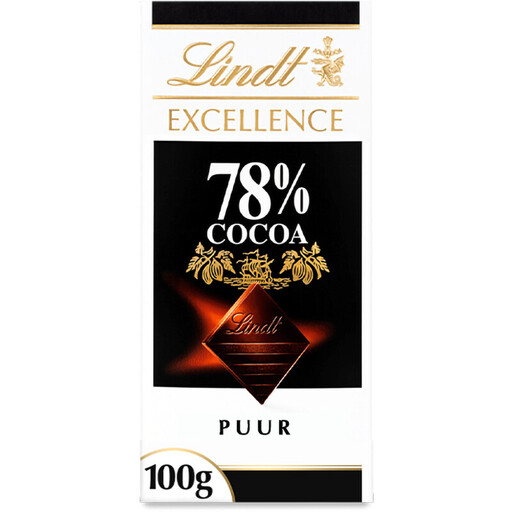 Image unavailable
For anyone who wants a separate piece of chocolate with a stated cocoa percentage to enjoy alongside their kano.
100 g bar with 78% cocoa. If you’re serving both products, check the nutritional information and allergens on the current packaging.
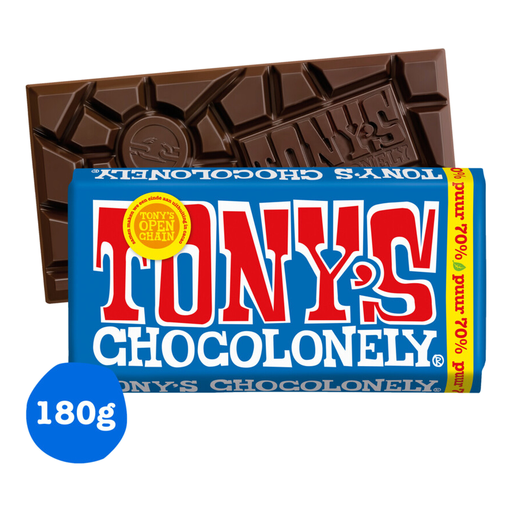 Image unavailable
For anyone who wants to choose dark chocolate as a separate treat with their coffee, rather than assuming a kano is dark chocolate.
180 g bar with 70% cocoa. Compare the portion size you want and check the allergen information on the packaging.
 Image unavailable
For anyone looking for a separate piece of dark chocolate with a higher stated cocoa percentage to enjoy with a kano.
100 g bar with 85% cocoa. The percentage doesn’t replace a comparison of sugars, portion size and allergens on the label.
 Image unavailable
For anyone who wants to serve a bar of dark chocolate with a stated cocoa percentage alongside a traditional kano.
100 g bar with 70% cocoa. For this combination, check the nutritional information and allergens for both the bar and the biscuit.
No, you can’t tell from the name: Jumbo, PLUS and Aviateur describe the kano pastries mentioned here as biscuits filled with almond paste. If you specifically want chocolate, check the ingredients of the exact kano or choose a separate piece of dark chocolate.
Not as a general rule for every bar. For the Delicata bars compared, Albert Heijn lists 12 g of sugars per 100 g for the 85% cocoa bar and 27 g per 100 g for the 70% cocoa bar. Check the nutritional information for any other bar you’re considering.
Look at the portions and nutritional information for both products, rather than focusing only on the cocoa percentage. The Netherlands Nutrition Centre recommends considering the place of snacks in older people’s diets; individual nutritional needs can vary.
Read the current labels on both the kano and the chocolate. According to the Netherlands Food and Consumer Product Safety Authority, allergen information must appear on the label of prepacked foods; don’t rely on the product name alone when choosing a specific variety.
Yes, chocolate contains caffeine, according to the Netherlands Nutrition Centre. If you’re sensitive to it, bear in mind how much chocolate you eat and when you drink your coffee.