
A snack shopper who puts Fairtrade first
You want to be able to identify Fairtrade cocoa on the product you buy. A general Fairtrade statement from a retailer isn’t enough; check the current packaging.


Choose a kano pastry if almond paste is what you’re after. If Fairtrade cocoa is your priority, a chocolate biscuit or bar with an explicit product-specific claim is another option. Only consider a kano pastry Fairtrade if the current packaging or product page confirms it for that particular variant. Whichever you choose, compare the ingredients, allergens and portion size.
You want to be able to identify Fairtrade cocoa on the product you buy. A general Fairtrade statement from a retailer isn’t enough; check the current packaging.
You’re looking for a kano pastry filled with almond paste to enjoy with coffee or as a late-morning snack. A chocolate biscuit might meet your Fairtrade preference, but it won’t give you that filling.
You want to know which allergens a product contains and how much you’ll eat at a time. So check the ingredients and nutritional information for the kano pastry, biscuit or bar you choose.
Choose this if: Almond paste matters more to you than chocolate.
The trade-off: Don’t assume a Fairtrade claim applies just because the retailer sells other Fairtrade products; check the kano pastry you’ve chosen.
Choose this if: You want a biscuit with an explicit Fairtrade cocoa claim and don’t mind going without almond paste.
The trade-off: A chocolate biscuit doesn’t have the filling of a kano pastry. Check the allergens for your chosen variant, too.
Choose this if: Chocolate matters more to you than a biscuit or almond paste filling.
The trade-off: A bar is a different kind of snack, so use the packaging to guide your portion size.
| What to consider | What to check | Who it’s for |
|---|---|---|
| Fairtrade cocoa | Look for an explicit Fairtrade claim on the product you’ve chosen. If the certification mark includes an arrow, also read the back of the packaging, as Fairtrade International advises. | I want the Fairtrade claim to apply to my own snack, not just the shop where I buy it. This product-specific evidence is the priority for around 45% of consumers. |
| Kano pastry or chocolate | If you’re looking for a kano pastry, check that the description mentions almond paste; a chocolate biscuit or bar is a different product. | With my coffee, I mainly want a kano pastry with almond paste, not a chocolate snack in another form. This preference matters most to around 33% of consumers. |
| Ingredients and portion | Read the allergens on the current packaging and compare the nutritional values per 100 g and per portion. | I need to consider the ingredients when choosing a snack, and I want to know what counts as one portion. Around 22% of consumers put this check first. |
A shop selling Fairtrade chocolate doesn’t tell you anything about the certification or cocoa used in an individual kano pastry.
Check the Fairtrade claim on the current packaging or product page for that specific variant.
Kano pastries from different brands may list different ingredients and allergens. So an ingredients label you read previously is no substitute for checking the one on your chosen variant.
Read the current ingredients list and allergen information every time you buy, even if you already know the product.
A Fairtrade cocoa claim doesn’t tell you about a snack’s nutritional value. The amount in each piece can vary, too.
Compare the nutritional information per 100 g and per portion, and think about how many pieces you plan to eat.
Albert Heijn sells its own-brand kano pastries and also sells Verkade Lange Nekken as a separate chocolate biscuit.
Jumbo sells butter kano pastries with almond paste, as well as a separate Fairtrade range.
ALDI describes Heerlijck Banket Kano's as pastries shaped like canoes and lists Fairtrade chocolate separately.
PLUS sells butter kano pastries and makes a separate general statement about Fairtrade cocoa in its own-brand products.
According to Albert Heijn’s product listing, Verkade Lange Nekken is a chocolate biscuit containing Fairtrade milk chocolate.
These biscuit sticks and chocolate bar are options if you’re considering chocolate as an alternative to a kano pastry. If you specifically want Fairtrade cocoa, check the claim on the current packaging for the product you choose.
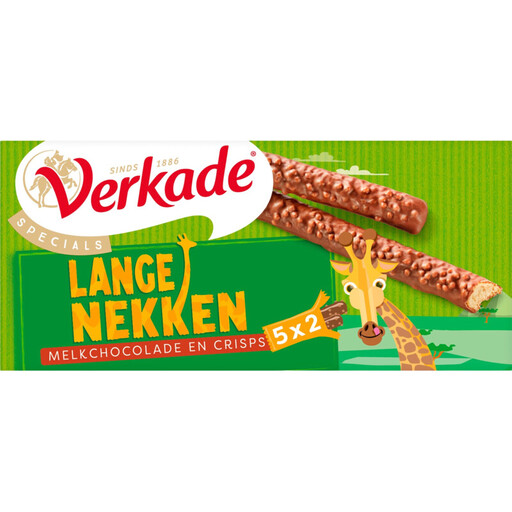 Image unavailable
A biscuit to consider if you don’t need a kano pastry with almond paste for your late-morning snack. Check the current packaging for the Fairtrade claim, ingredients and allergens.
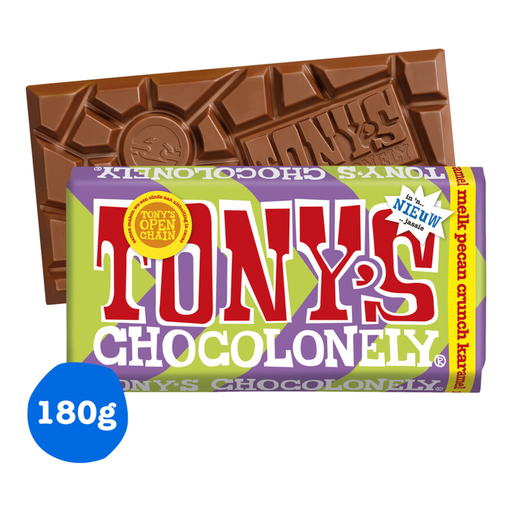 Image unavailable
A chocolate bar to consider if you’d rather have chocolate than a kano pastry or biscuit. Before you choose, check the product-specific Fairtrade claim, allergens and portion size you want.
No. A supermarket’s range doesn’t confirm that an individual kano pastry is Fairtrade. Look for an explicit Fairtrade claim on the current packaging or product page for the variant you’ve chosen.
Check which claim applies to the biscuit and its ingredients. If the FAIRTRADE mark has an arrow, Fairtrade International also advises checking the information on the back of the packaging.
Read the allergen information on the current packaging for the variant you’re buying. A kano pastry and a chocolate biscuit may contain different ingredients, so don’t assume they have the same composition as another brand or product.
No. A Fairtrade cocoa claim doesn’t replace the nutritional information. For a kano pastry, biscuit or bar, compare the values per 100 g and per portion on the packaging of the product you choose.
Follow the storage advice on the packaging you’ve chosen. Albert Heijn and Jumbo’s product information says to store them in a cool, dry place; Albert Heijn also advises keeping its butter kano pastries in a sealed tin after opening.