
For a table with several dishes
A plain digestive can be served on its own with coffee or tea. Check the pack size if several guests will be sharing them.


Choose a plain digestive if you’re looking for a dry wheat biscuit to enjoy with coffee or tea; choose kano pastries if you’d rather serve a filled pastry as a treat in its own right. If a guest needs to eat gluten-free, a standard digestive isn’t suitable: look for one explicitly labelled gluten-free and check the other allergens on the packaging too.
A plain digestive can be served on its own with coffee or tea. Check the pack size if several guests will be sharing them.
If a guest needs to avoid gluten or a specific allergen, the label on the pack you actually buy is what matters. A standard wheat digestive won’t necessarily be suitable.
A chocolate digestive or a filled kano pastry suits a different occasion from a plain biscuit. So decide first whether you want to serve a biscuit or a treat in its own right.
First, decide what role the biscuit will play on the table. Then check the packaging for any ingredients and allergens that matter to your guests.
| What to consider | What to check | Who it matters to |
|---|---|---|
| Plain biscuits and pack size | Choose a plain digestive and compare the pack size with the number of guests and the other brunch dishes. | If I want to offer a simple biscuit alongside other dishes, I’ll mainly look for a plain variety in a suitable pack size. For around 36% of consumers, this simple role at the table comes first. |
| Gluten and other allergens | If you need a gluten-free option, look for one explicitly labelled gluten-free; check the other allergens on the pack too. | When a guest needs to avoid certain ingredients, I don’t want to rely on the product name alone. For around 29% of consumers, this check is their main priority. |
| Wholemeal or a dessert base | Check the ingredients of a wholemeal variety, or choose a biscuit that’s suitable for the dessert you’re making. Wholemeal wheat is not gluten-free. | If I want to make crumbs for a dessert or specifically serve a wholemeal digestive, that will determine my choice. For around 21% of consumers, this use is the most important factor. |
| Chocolate or a filled pastry | Choose between a chocolate-coated digestive and a separate filled kano pastry; compare the ingredients if guests need to avoid anything. | If I’m deliberately looking for a sweeter treat, whether it has chocolate or a filling makes a difference. This flavour preference comes first for around 14% of consumers. |
Albert Heijn describes its butter kano pastries as filled pastries with almond paste and almonds. A plain digestive is a wheat biscuit, so the two products have different roles on the table.
Choose digestives if you’re looking for a dry biscuit, and kano pastries if you want to serve a filled pastry on its own.
Jumbo Digestive Wholemeal contains wheat. A plain digestive labelled vegan or lactose-free may also contain wheat.
If you need a gluten-free option, choose a product explicitly labelled gluten-free and check the other allergens as well.
Albert Heijn says that AH Digestive 0% sugar contains sweeteners and warns that excessive consumption may have a laxative effect.
Check whether this variety suits your guests’ preferences rather than treating it as a general substitute for a plain digestive.
The pack or variety available to buy may change between planning your brunch and doing the shopping.
Check your chosen shop shortly before buying, and read the label on the pack when it arrives.
Compare the specific variety, not just the brand name: ingredients and allergens can differ within the same range.
The range includes plain and 0%-sugar digestives, as well as butter kano pastries as a separate product type.
Jumbo offers plain and wholemeal digestives, making it easy to compare varieties of the same type of biscuit.
PLUS offers a plain digestive and a separate dark chocolate variety.
Lidl lists a 400 g plain digestive as a store product; Sondey is a brand of biscuits and snacks.
Biscotto is an own brand under which ALDI sells digestive biscuits.
Verkade Digestive Original is a branded variety you can compare with own-brand digestives.
These two digestives suit different roles on the brunch table: one is a plain biscuit, while the other is made with milk chocolate. Kano pastries and gluten-free biscuits aren’t included in this product selection.
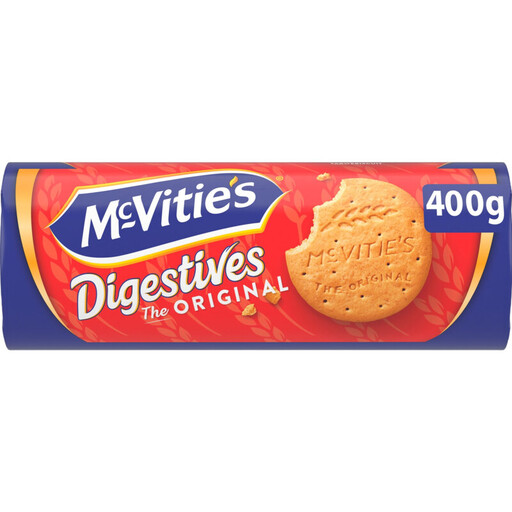 Image unavailable
For anyone looking to serve a plain digestive with coffee or tea; the pack contains 400 g. If you need to avoid wheat or gluten, you’ll need a variety explicitly labelled gluten-free. If you have allergies, check the label on the pack you buy.
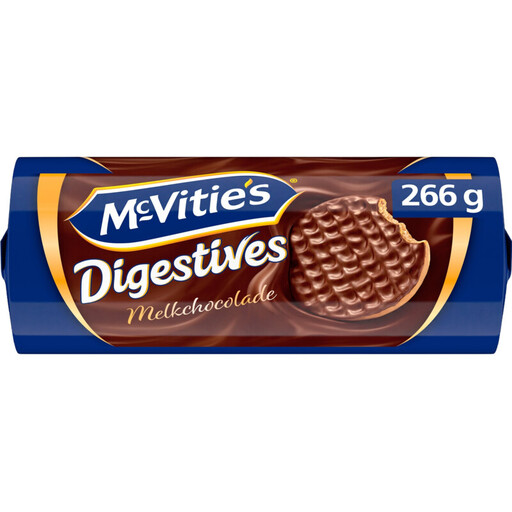 Image unavailable
For anyone looking to serve a milk chocolate digestive alongside a plain biscuit; the pack contains 266 g. This isn’t a plain or gluten-free variety. If you need to avoid milk, soya or wheat, check the label on the pack you buy.
No. Albert Heijn describes its kano pastries as filled butter pastries, while a plain digestive is a wheat biscuit. Serve kano pastries as a separate treat if you’re not looking for a dry biscuit.
Choose a digestive explicitly labelled gluten-free, such as Schär Digestive Landtaler, and check the label on the pack you buy. Jumbo says its wholemeal digestive contains wheat; with Schär, soya and possible traces of lupin and egg are also worth checking.
Yes. Before serving, check the label on the pack you actually bought, especially if a guest needs to avoid a specific ingredient. The Netherlands Food and Consumer Product Safety Authority explains that allergens must be listed on the labels of prepacked foods.
No. That label doesn’t automatically make the product suitable for everyone. Albert Heijn says that AH Digestive 0% sugar contains sweeteners and warns that excessive consumption may have a laxative effect; check the ingredients before choosing this variety.
Follow the storage instructions on the biscuit packaging and seal an opened pack well. For perishable brunch foods, the Nutrition Centre recommends, among other things, setting your fridge to 4 °C and keeping raw and cooked foods separate.