
Fans of filled pastries
You’re looking for a pastry filled with almond paste rather than an unfilled biscuit. When choosing, check the stated serving size and allergens: the Jumbo and Albert Heijn kano pastries examined contain several allergens.


Choose kano pastries if you want to offer a pastry filled with almond paste; choose digestive biscuits if a crisp, unfilled biscuit is a better fit for your stock cupboard. Compare the stated serving sizes and nutritional information before comparing packs. If you need a gluten-free option, look for a product explicitly labelled gluten-free and check for other allergens too.
You’re looking for a pastry filled with almond paste rather than an unfilled biscuit. When choosing, check the stated serving size and allergens: the Jumbo and Albert Heijn kano pastries examined contain several allergens.
You want biscuits to have with coffee or tea, or to keep in a biscuit tin. Pack weight, serving size and nutritional information can help you compare packs.
You’re looking for a biscuit explicitly labelled gluten-free. Also check for any other allergens that matter to you: gluten-free doesn’t mean allergen-free.
First, distinguish between filled kano pastries, unfilled digestives and a biscuit explicitly labelled gluten-free. Then compare the packaging and nutritional information for the option that suits your needs.
A good fit for: anyone looking to offer a pastry filled with almond paste rather than an unfilled biscuit.
Keep in mind: the Jumbo Kano's examined have a stated serving size of 55 g and contain, among other things, wheat, milk, egg, soya and almond.
A good fit for: anyone looking for an unfilled biscuit to have with coffee or tea, or to keep in a biscuit tin.
Keep in mind: wholemeal does not mean gluten-free. Jumbo lists wheat in its Digestive Volkoren.
A good fit for: anyone who needs a biscuit explicitly labelled gluten-free.
Keep in mind: the Schär Digestive Landtaler sold by Jumbo contains soya and may contain lupin and egg.
| What to consider | What should you check? | Who should pay particular attention? |
|---|---|---|
| Filling and serving size | Check whether it’s a filled pastry or a biscuit. Compare the stated serving size and sugars per serving. | If I want to offer a pastry filled with almond paste, an unfilled biscuit won’t meet that need. For around 44% of consumers, the filling would be the main factor in their choice. |
| Stock cupboard and nutritional information | Compare pack weight and serving size; check fibre, sugars and salt per 100 g on the label. | For biscuits I reach for regularly with coffee or tea, I want to know how many servings are in a pack and what each serving adds to the table. For roughly 33% of consumers, this would be the top consideration when stocking up. |
| Gluten and other allergens | If needed, look for an explicit gluten-free label. Also read the ingredients list and warnings about other allergens. | If I need to avoid gluten, I can’t tell whether ordinary wheat-based digestives are suitable from the name alone. Gluten-free suitability would be the first priority for around 23% of consumers. |
The product name doesn’t prove that it has any effect. For McVitie's To Go Digestive Original, Jumbo states that the ingredients do not contain any substances that aid digestion.
Treat ‘digestive’ as a product name, and assess the ingredients and nutritional information separately.
Jumbo gives its Kano's met Roomboter a serving size of 55 g, compared with 15 g for its Digestive Volkoren. So comparing them by piece alone tells you little about how much you’re eating.
Check the nutritional values per 100 g, and also look at the serving size stated on each pack.
A gluten-free label doesn’t rule out other allergens. The Schär Digestive Landtaler sold by Jumbo contains soya and may contain lupin and egg.
Check the current ingredients list and any ‘may contain’ statements on the pack.
Albert Heijn warns that ingredients, nutritional values and allergy information may change. That’s why the packaging you receive still matters when making your final choice.
Compare the online information with the current label before serving the biscuits, especially if allergens are a concern.
These examples show the types of products you can compare; features of one biscuit or kano pastry don’t necessarily apply to the whole brand.
Albert Heijn sells both Roomboter kano's and AH Digestive under its own brand.
Jumbo offers its own-brand butter kano pastries and a Digestive Volkoren as separate options.
Verkade Digestive Original is an example of an unfilled digestive biscuit.
Biscotto is ALDI’s own brand for the Digestive Biscuits examined.
Schär Digestive Landtaler is a biscuit sold by Jumbo as gluten-free.
These three products suit the biscuit side of the choice: one plain digestive and two chocolate varieties. If you’re looking for a filled kano pastry or a biscuit explicitly labelled gluten-free, assess that need separately.
 No image available
A plain digestive for anyone looking to stock up on unfilled biscuits. The pack contains 400 g. This product contains wheat; check the current allergen information on the packaging.
 No image available
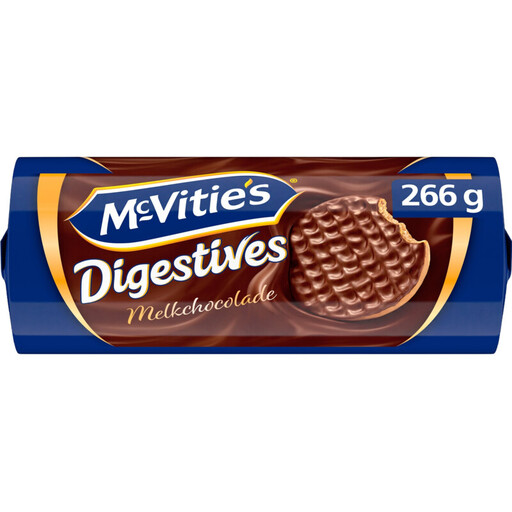
A milk chocolate digestive for anyone who wants to offer a chocolate option alongside plain biscuits. The pack contains 266 g. The product contains wheat, milk and soya; if you have an allergy, check the current label.
 No image available
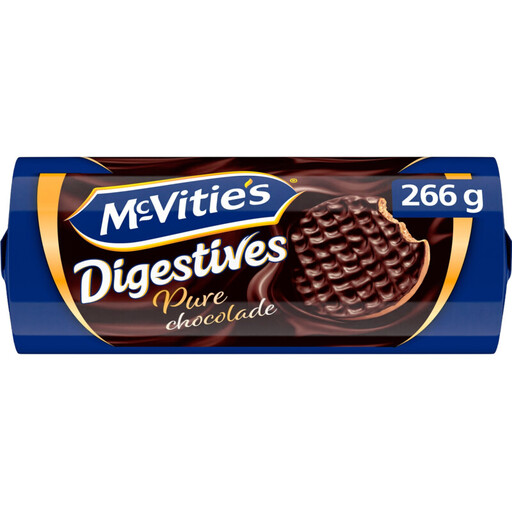
A dark chocolate digestive for anyone who wants to compare this variety with plain or milk chocolate biscuits. The pack contains 266 g. The product contains wheat, milk and soya; check the allergens on the current label.
No. The name ‘digestive’ doesn’t in itself prove that it has any effect on digestion. For McVitie's To Go Digestive Original, Jumbo states that the ingredients do not contain any substances that aid digestion. Assess a biscuit by its ingredients and nutritional information, not by its name.
The Jumbo kano pastries and ordinary digestives examined contain wheat or gluten, so they’re not suitable starting points if you need a gluten-free option. Look for a product explicitly labelled gluten-free and check for other allergens too; Schär Digestive Landtaler, for example, contains soya and may contain lupin and egg.
Follow the storage instructions on the packaging for the product you’ve chosen. The kano pastries examined should be stored in a cool, dry, dark place; for the products it examined, Albert Heijn recommends storing them in a sealed tin after opening.
Yes. When your order arrives, check that the packaging matches the information you used to make your choice. According to Ondernemersplein, mandatory food label information must also be available online; the Netherlands Food and Consumer Product Safety Authority explains how allergens must be listed on the labels of prepacked foods. Product information and recipes can change.