
Parents looking for an everyday snack
For a regular snack, the Netherlands Nutrition Centre recommends options such as fruit, vegetables and some wholemeal bread for toddlers. A Kano is a pastry, so it isn’t one of the recommended everyday choices.


For an everyday snack for a toddler, the Netherlands Nutrition Centre recommends fruit, vegetables or a suitable wholegrain product rather than a Kano. If you do want to give your child a Kano occasionally, pay attention to the portion size and check the allergens on the packaging. Before sending one in, also ask about the school or childcare setting’s rules.
For a regular snack, the Netherlands Nutrition Centre recommends options such as fruit, vegetables and some wholemeal bread for toddlers. A Kano is a pastry, so it isn’t one of the recommended everyday choices.
For a special treat, portion size makes a difference. Jumbo lists its standard Kano as weighing 55 g and containing 222 kcal per pastry, so compare the nutrition information per item before choosing a portion.
If your child has an allergy, check the label on the exact pack you’ve chosen. If the snack is going to school or childcare, ask in advance about their food and allergy policies too.
First decide whether you’re looking for an everyday snack or an occasional treat. If you’re choosing a Kano, check the portion size, allergens and any rules at the place where your child will be eating.
| What to consider | What should you check? | Who is this most relevant to? |
|---|---|---|
| Everyday snack | Consider whether you’re looking for something for a regular snack time. The Netherlands Nutrition Centre recommends fruit, vegetables and wholegrain products. | I’m looking for something I can give on an ordinary day and don’t want a pastry to become a regular choice. For around 42% of consumers, choosing an everyday snack is the main priority. |
| Allergens and group rules | Check both ‘contains’ and ‘may contain’ on the exact pack, and ask the school or childcare setting about its rules. | If a child in the group has a relevant allergy, I want to know whether this product and bringing it in are suitable. For around 33% of consumers, this check matters most. |
| Portion size for a treat | Compare the nutritional values per pastry or portion, not just per 100 g, and decide how much you want to give. | For an occasional treat, I don’t want to automatically give a whole standard Kano. Portion size is the main concern for roughly 25% of consumers. |
A Kano is a pastry. For regular snacks for toddlers, the Netherlands Nutrition Centre recommends foods such as fruit, vegetables and some wholemeal bread.
Choose one of these alternatives for an everyday snack. If you want to give your child a Kano as a treat, check the nutritional values per pastry on the packaging and decide on the portion size.
Jumbo and PLUS product information lists ingredients including wheat, milk, soya, egg and nuts in their Kano pastries. The allergens present, or that may be present, vary by product.
Always check the label on the pack you’re actually choosing, even if you’ve bought the same brand before.
An online description relates to a specific product variant and may differ from the packaging you have in your hands. This is especially important when it comes to ingredients and allergens.
Check the current packaging before giving it to your child, and don’t switch to a different variant for someone with an allergy without checking the new packaging.
A setting may have its own rules about food brought in and treats. What’s fine at home may not be suitable for a group occasion.
Before packing anything, ask about the food and allergy policies at the school, playgroup or childcare setting in question.
Jumbo lists a butter Kano with almond paste filling, as well as a mini Kano as a separate variant.
PLUS lists a butter Kano with almond paste filling and an almond topping.
The Filled Kano by Aviateur, as described by Jumbo, is a standard pastry with a filling.
Albert Heijn describes its AH BASIC Kano pastries as filled with almond paste and sold in packs of six.
ALDI Netherlands describes Heerlijck Banket’s Kano pastries as boat-shaped pastries, sold in a 330 g pack.
These fruit-based products are options if you’d rather not choose a Kano for your toddler’s snack. Fruit purée or a fruit-based treat isn’t automatically the same as fresh fruit, or suitable as an everyday choice. Check the packaging and portion size here too.
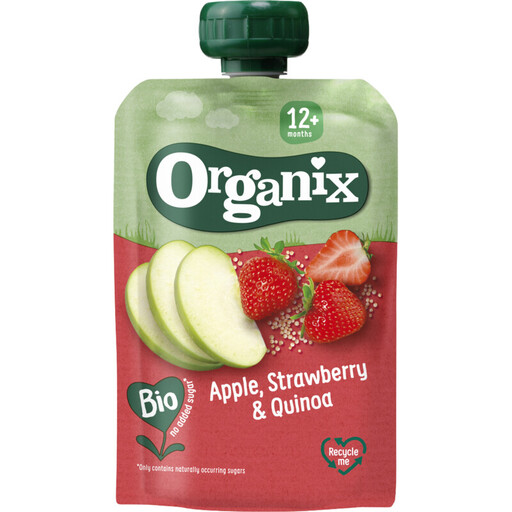 Image unavailable
An option to consider if you’re looking for a fruit-based snack in a pouch. The age guidance is from 12 months. Check the ingredients, allergens and nutritional information on the packaging.
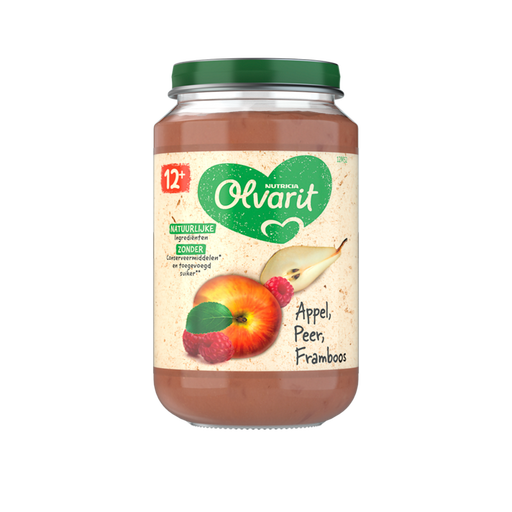 Image unavailable
A fruit purée for anyone looking for an alternative to a Kano. The pack contains 200 g; choose a suitable portion and check the nutritional information and allergens on the label.
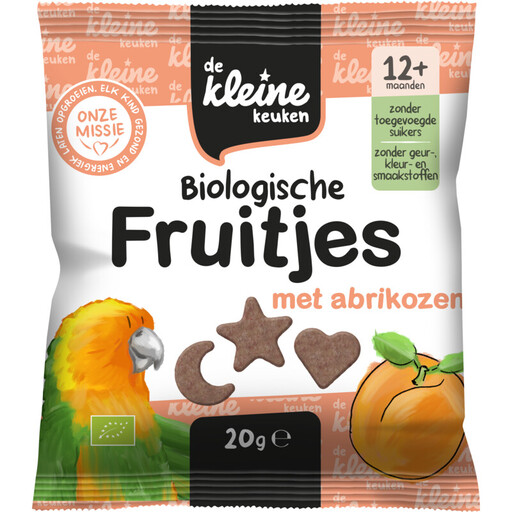 Image unavailable
An option if you’re considering a small fruit-based treat for occasional use, rather than as an obvious everyday substitute for fruit. The pack contains 20 g; if your child has a nut allergy, check the current warning on the label.
No. Albert Heijn, Jumbo and PLUS describe Kano pastries as pastries filled with almond paste, not as boxes of chocolates.
A whole Kano isn’t one of the everyday snacks recommended for toddlers by the Netherlands Nutrition Centre. For a regular snack, choose something like fruit, vegetables or some wholemeal bread. For an occasional treat, you can check the nutritional values per pastry and adjust the portion accordingly.
That depends on the rules at the setting in question. Before packing one, ask what rules apply to food, treats and allergens in the group.
Check the allergens for the exact variant. Product information from retailers including Jumbo and PLUS lists wheat, milk, soya, egg and nuts, but the details vary by product. Check the current packaging for both what the product contains and what it may contain.
Follow the storage advice on the pack you’ve chosen. Albert Heijn advises storing AH BASIC Kano pastries in a sealed tin after opening; instructions may differ for other variants.