If you’re set on having a kano pastry filled with almond paste alongside your coffee or tea, compare standard kano pastries without assuming they’re low in sugar: Jumbo lists 36.8 g of sugars per 100 g, while PLUS lists 37.6 g per 100 g for Aviateur. If reducing sugar is your priority and it doesn’t have to be a kano pastry, you could consider a different type of biscuit. Albert Heijn lists Verkade San Francisco Zero biscuits as containing 1.7 g of sugars per 100 g, but they also contain maltitols and carry a warning that excessive consumption may have a laxative effect.
Who is this choice for?
People who enjoy kano pastries but keep an eye on sugar
You want to keep the almond paste filling while checking the sugar content. Jumbo and PLUS list 36.8 g and 37.6 g of sugars per 100 g respectively for the kano pastries reviewed. So compare any alternative on the same basis, even if it’s a different type of biscuit.
People who are flexible about the type of biscuit
You’re looking for something to have with your coffee or tea and would be happy with a biscuit instead of a filled kano pastry. Albert Heijn describes Verkade San Francisco Zero as a biscuit with no added sugars; it doesn’t have an almond paste filling.
People who consider ingredients and allergens
As well as sugar, the ingredients, allergens and any sweeteners matter to you. Check the current packaging for both kano pastries and alternatives: for example, the biscuit listed by Albert Heijn contains maltitols.
What should you look for when choosing?
First decide whether you want a filled kano pastry or are mainly looking for a biscuit with less sugar. Then compare the nutrition information per 100 g and check the ingredients on the packaging.
Kano pastry with almond paste
When to choose it: Choose this type of biscuit if the filling and distinctive character of a kano pastry are what matter most to you.
The trade-off: Jumbo lists 38% almond paste and 36.8 g of sugars per 100 g for its kano pastries; PLUS lists 46% almond paste filling and 37.6 g of sugars per 100 g for Aviateur.
Biscuit with no added sugars
When to choose it: Consider this if a biscuit with your coffee or tea will do and you’re not expecting an almond paste filling.
The trade-off: Albert Heijn lists 1.7 g of sugars per 100 g for Verkade San Francisco Zero, but it also contains maltitols and carries a warning that excessive consumption may have a laxative effect.
| What to consider |
What to look for |
Who it matters to |
| Sugars |
Compare ‘of which sugars’ per 100 g; check any per-serving figure separately. |
If you mainly want less sugar with your coffee or tea, you’ll need a like-for-like figure, even if you switch to a different type of biscuit. This is the top priority for around 42% of consumers. |
| Kano pastry or biscuit |
Check the product type and, for a kano pastry, how much almond paste filling is listed. |
If you’ve chosen a filled biscuit, a plain biscuit won’t meet your expectations. Keeping the kano pastry experience is most important to around 33% of consumers. |
| Ingredients and allergens |
Read the current ingredients, allergen information and warnings; check alternatives for sweeteners too. |
If you need to avoid certain ingredients or want to know which sweeteners a biscuit contains, checking the label comes before choosing a lower-sugar option. This is the main consideration for around 25% of consumers. |
Common mistakes
-
Assuming a standard kano pastry is lower in sugar
The name or packaging won’t tell you how much sugar a kano pastry contains. Jumbo lists 36.8 g of sugars per 100 g for its kano pastries; PLUS lists 37.6 g per 100 g for Aviateur.
Before buying, compare the ‘of which sugars’ figure per 100 g with that of the alternative you’re considering.
-
Thinking a biscuit is the same as a kano pastry
A biscuit with no added sugars may have a different nutritional profile, but it won’t have the almond paste filling of a kano pastry.
Decide whether you mainly want the filled biscuit or are happy to switch to a different type.
-
Looking only at the sugars
Choosing based on sugar alone won’t tell you which allergens or sweeteners a product contains. Albert Heijn lists maltitols in Verkade San Francisco Zero and warns that excessive consumption may have a laxative effect.
Also read the ingredients, allergen information and warnings on the current packaging.
-
Assuming you can eat your biscuit at any café terrace
Taking a biscuit you’ve bought with you doesn’t mean you can eat it at every café or restaurant.
Check with the venue in advance to see whether you’re allowed to eat your own food on the terrace.
Brands to consider
Jumbo
Jumbo describes its 275 g Kano’s met Roomboter as butter biscuits with 38% almond paste.
- The product page lists ingredients, allergens and nutrition information for these kano pastries.
- Jumbo lists 36.8 g of sugars per 100 g, so don’t judge these kano pastries by their name as a lower-sugar option.
Aviateur
PLUS lists Aviateur Kano’s as biscuits with 46% almond paste filling.
- The product page provides ingredients and allergen information for the listed product.
- PLUS lists 37.6 g of sugars per 100 g. Compare this figure if reducing sugar is your main priority.
Sondey
Lidl describes Sondey Kano’s as butter biscuits filled with almond paste, in a 325 g pack.
- An option to look at if you’re specifically searching for a kano pastry at Lidl.
- Lidl lists this item as available in store only. Check the current nutrition and allergen information on the packaging before comparing it.
Verkade
Verkade San Francisco Zero is a biscuit that Albert Heijn lists as containing no added sugars, not as a kano pastry.
- Albert Heijn lists 1.7 g of sugars per 100 g and around 8.6 g per biscuit.
- According to Albert Heijn, the biscuit contains maltitols and allergens from cereals containing gluten, milk and soya; excessive consumption may have a laxative effect.
Biscuits and crackers on Joybuy
These crackers and biscuits are worth considering if you’re looking for something other than a filled kano pastry to have with your coffee or tea. Check the current label before choosing based on sugars, ingredients or allergens.
 No image available
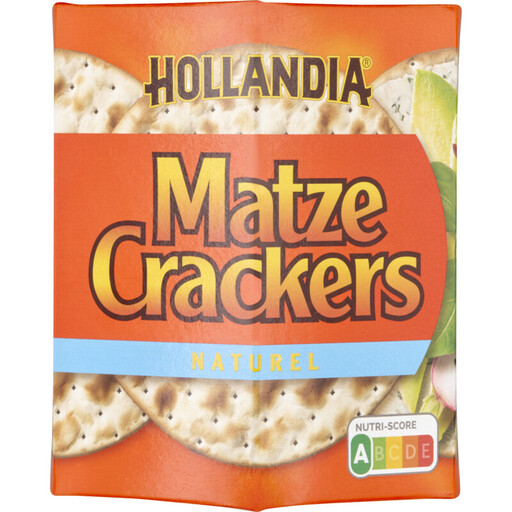
Hollandia Matzo Crackers Natural, 16 pieces
Worth considering if you’d like a cracker with your tea instead of a filled kano pastry. The pack contains 16 pieces; compare the sugars per 100 g and, if you have allergies, check the information on the current packaging.
View on Joybuy
 No image available
Wasa High-Fiber crackers, 300 g
Worth considering if you’re looking at a cracker as an alternative to a filled biscuit, not as a replacement with the same taste and texture. The pack contains 300 g; compare the nutrition information per 100 g and read the allergen label.
View on Joybuy
 No image available
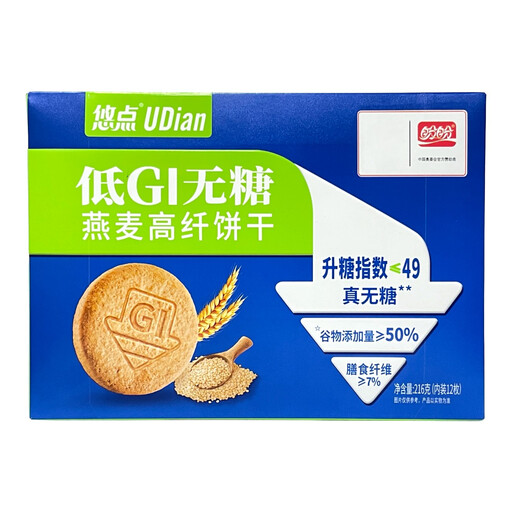
Panpan oat biscuits, 216 g
Worth considering if you’d rather have a biscuit than a cracker with your coffee or tea; it isn’t a kano pastry with almond paste. The pack contains 216 g. Don’t rely on the sugar claim in the product name: check ‘of which sugars’ per 100 g and the ingredients on the current label.
View on Joybuy
Frequently asked questions
Are standard kano pastries a low-sugar choice?
Don’t assume they are: Jumbo lists 36.8 g of sugars per 100 g for its Kano’s met Roomboter, while PLUS lists 37.6 g per 100 g for Aviateur Kano’s. Check the current packaging if you’re considering a different kano pastry or another type of biscuit.
Is a biscuit with no added sugars also sugar-free?
No. Albert Heijn lists Verkade San Francisco Zero as a biscuit with no added sugars, but also gives a figure of 1.7 g of sugars per 100 g. Check the nutrition information for the total sugar content and the ingredients to see what the product contains.
Can a biscuit replace a kano pastry with your coffee?
Yes, if you’re mainly looking for a biscuit to have with your drink and don’t need the almond paste filling. A biscuit such as Verkade San Francisco Zero is a different type of biscuit from the filled kano pastries described by Jumbo and PLUS.
What should I look for in a biscuit with sweeteners?
As well as the sugars per 100 g, read the ingredients, allergen information and usage warnings. For Verkade San Francisco Zero, Albert Heijn lists maltitols and allergens from cereals containing gluten, milk and soya, and warns that excessive consumption may have a laxative effect.


