
If you’re looking for a strictly sugar-free option
You want a biscuit or cookie that meets the ‘sugar-free’ threshold. So compare the ‘of which sugars’ figure per 100 g with the maximum of 0.5 g cited by the Netherlands Nutrition Centre.


If a sugar-free snack is a must for your afternoon break, don’t choose a standard kano pastry from Albert Heijn, Jumbo or PLUS: their product information lists 39 g, 36.8 g and 38.9 g of sugars per 100 g, respectively. Instead, look for a different type of biscuit or cookie and check the ‘of which sugars’ figure. According to the Netherlands Nutrition Centre, ‘sugar-free’ means no more than 0.5 g per 100 g. Also check the ingredients, allergens and any warnings about polyols.
You want a biscuit or cookie that meets the ‘sugar-free’ threshold. So compare the ‘of which sugars’ figure per 100 g with the maximum of 0.5 g cited by the Netherlands Nutrition Centre.
The shape, buttery pastry and almond paste filling matter to you. The standard kano pastries for which Albert Heijn, Jumbo and PLUS publish nutritional values are not sugar-free; a biscuit or cookie is a different type of treat.
As well as sugar, allergens and sweeteners matter to you. Check the information on each pack: the standard kano pastries and alternative biscuits and cookies mentioned here differ in their ingredients and warnings.
A standard kano pastry and a sugar-free biscuit don’t meet the same need. Decide whether the pastry itself or the sugar-free threshold matters more to you.
Choose this if: you’re mainly after buttery pastry with almond paste filling and being sugar-free isn’t essential.
The trade-off: the kano pastries for which Albert Heijn, Jumbo and PLUS publish nutritional values contain 36.8 to 39 g of sugars per 100 g.
Choose this if: you’re specifically watching your intake of added sugars and will check the nutrition table too.
The trade-off: this claim doesn’t automatically mean sugar-free. Verkade lists 1.7 g of sugars per 100 g for San Francisco Zero.
Choose this if: your main requirement is no more than 0.5 g of sugars per 100 g.
The trade-off: the biscuits and cookies mentioned here aren’t kano pastries with almond paste filling. Check their ingredients and any warnings about polyols too.
| What to consider | What to check before buying | Who it matters to |
|---|---|---|
| Sugars | Check the ‘of which sugars’ figure per 100 g. The Netherlands Nutrition Centre gives a maximum of 0.5 g per 100 g for ‘sugar-free’. | I want an afternoon snack that genuinely meets the sugar-free limit, not just a biscuit or cookie with different wording on the front. For around 50% of consumers, this limit comes first. |
| Type of biscuit or cookie | Decide whether you want almond paste filling and buttery pastry, or whether you’d also consider a biscuit or cookie. | With my coffee, I’m looking for the flavour and texture of a kano pastry, even if that means choosing something that isn’t sugar-free. Around 30% of consumers prioritise that kano experience. |
| Ingredients | Check the allergens, sweeteners, polyols and any warnings on the pack. | I need to know which ingredients the biscuit or cookie contains and whether the warning about polyols applies to me. Ingredients and tolerance matter most to around 20% of consumers. |
Verkade lists 1.7 g of sugars per 100 g for San Francisco Zero, which has no added sugars. That’s above the maximum of 0.5 g per 100 g that the Netherlands Nutrition Centre gives for ‘sugar-free’.
If sugar-free is a must, check the ‘of which sugars’ figure in the nutritional information rather than relying on the wording on the front of the pack.
Albert Heijn’s product information lists 414 kcal per 100 g for Céréal Chocolate chip cookie zonder suikers and 412 kcal per 100 g for AH Roomboter kano’s. So the sugar content alone won’t tell you how much energy a biscuit or cookie provides.
Compare the nutritional values per 100 g and consider how much you’ll have as a snack.
The standard kano pastries and sugar-free alternatives mentioned here have different ingredients and allergens. For the sugar-free biscuit mentioned here, Albert Heijn’s product information warns that excessive consumption of polyols may have a laxative effect.
Before buying, read the ingredients, allergen information and warning on the current pack.
The range includes AH Roomboter kano’s and individual biscuit products with a stated low sugar content, such as AH Digestive 0% suiker.
Jumbo Kano’s met Roomboter is a standard kano pastry for anyone looking for this type of treat.
PLUS Roomboter kano’s are a standard biscuit made with almond paste and butter.
San Francisco Zero is a biscuit with no added sugars, not a kano pastry with almond paste filling.
The chocolate chip cookie and speculoos biscuit with almond pieces mentioned here are alternatives for anyone who doesn’t need a kano pastry with almond paste filling.
This biscuit is an option to consider if you’re looking for a different type of treat from a kano pastry for your afternoon snack. If you need a strictly sugar-free option, check the nutritional information on the pack.
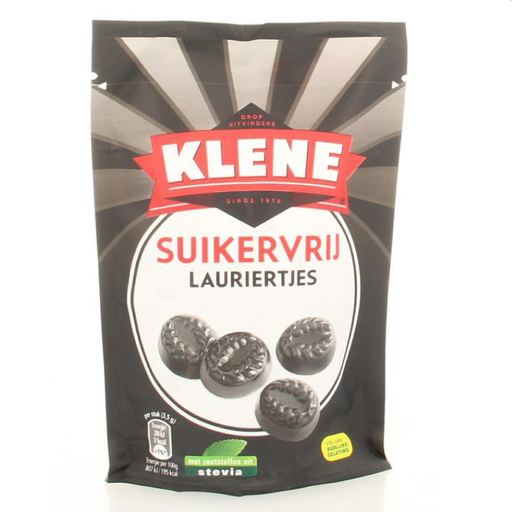 Image unavailable
For anyone considering a biscuit instead of a kano pastry. Before buying, check the ‘of which sugars’ figure, polyols and allergens on the pack. Check the flavour too: the product description mentions both lavender and bay leaf.
The standard kano pastries for which Albert Heijn, Jumbo and PLUS publish nutritional values aren’t sugar-free. They contain 39 g, 36.8 g and 38.9 g of sugars per 100 g, respectively, compared with the maximum of 0.5 g per 100 g that the Netherlands Nutrition Centre gives for ‘sugar-free’.
No. A biscuit or cookie with no added sugars can still contain sugars. Verkade lists 1.7 g of sugars per 100 g for San Francisco Zero. If you need a sugar-free option, always compare the ‘of which sugars’ figure per 100 g with the maximum of 0.5 g given by the Netherlands Nutrition Centre.
No. The sugar content alone doesn’t tell you that. Albert Heijn lists 414 kcal per 100 g for Céréal Chocolate chip cookie zonder suikers and 412 kcal per 100 g for AH Roomboter kano’s. Compare energy and sugars separately, and keep an eye on how much you have.
Read the ingredients and warning on the pack. The Céréal biscuit and AH Digestive 0% suiker mentioned here contain polyols; their product information warns that excessive consumption may have a laxative effect. Also check the allergens for the specific variety.