
Stock managers with a strict sugar requirement
Need to be able to show whether a snack meets the intended sugar limit, without describing an ordinary kano pastry as low in sugar.


If you want a traditional kano pastry with relatively less sugar, Jumbo has the lowest figure of the four varieties compared here, at 36.8 g of sugars per 100 g, based on product information from Jumbo, PLUS and Albert Heijn. That doesn’t make it low in sugar: according to the Voedingscentrum, ‘low sugar’ means no more than 5 g of sugars per 100 g. If a low sugar content is essential for your snack supplies, assess a different type of biscuit using its current label, even if it doesn’t look like a kano pastry.
Need to be able to show whether a snack meets the intended sugar limit, without describing an ordinary kano pastry as low in sugar.
Want to keep a pastry filled with almond paste in their range, so they compare the stated sugars per 100 g, portion sizes and pack weights of the available varieties.
Need to check the exact pack for allergens and any warnings about possible traces before buying snacks in bulk or handing them out.
First decide whether ‘low sugar’ is an essential requirement or whether you simply want to compare kano pastries with one another. For shared supplies, then check allergens and practical packaging separately.
| What to consider | What to check before buying | Who it matters to |
|---|---|---|
| A strict sugar requirement | Read the total sugars per 100 g and the exact claim on the current label. According to the Voedingscentrum, ‘low sugar’ means no more than 5 g of sugars per 100 g. | If I need to be able to offer a snack as low in sugar, the lowest figure among the kano pastries isn’t enough. This sugar requirement comes first for around 36% of consumers. |
| Differences between kano pastries | Compare the sugars on the same basis, per 100 g, and check the portion size of the pack you choose. | I want to keep the familiar kano pastry filled with almond paste, but compare sugar levels within that category. This is the main priority for around 29% of consumers. |
| Allergens | Check both the allergens present and any warnings about possible traces for the exact variety. | When handing snacks out to several people, I want to know who a pack is suitable for; a small difference in sugar won’t decide that. Checking allergens comes first for around 21% of consumers. |
| Stock management | Check the pack weight, local ordering options, best-before date and storage advice for the pack you’re buying. | If I need to store and hand out snacks, the packaging and shelf life help determine what’s practical. This is the first consideration for around 14% of consumers. |
Jumbo lists 36.8 g of sugars per 100 g for its kano pastries. That’s the lowest figure among the four products compared, but it’s above the maximum of 5 g per 100 g that the Voedingscentrum defines as ‘low sugar’.
Describe the difference only as a comparison between these kano pastries. Don’t use ‘low sugar’ for a product whose current label doesn’t support that claim.
A product name or statement on the front doesn’t tell you how much total sugar the product contains per 100 g. The recipe may also change.
When a new delivery arrives, read the nutritional information, ingredients and allergens on the physical pack before using the shelf description.
The ingredients listed and warnings about possible traces vary between products. So a sugar comparison doesn’t replace checking who the snack is for.
Record the exact variety in your stock management process and check the allergen information on each pack separately.
Lidl and ALDI product listings give a pack weight, but that isn’t enough to include them in a comparison of sugars per 100 g.
Only include a variety in the sugar comparison once you can read the nutritional information on the current pack. Also check local ordering options before planning your stock.
Jumbo Kano’s met Roomboter are traditional kano pastries with almond paste in a 275 g pack.
PLUS lists Aviateur Kano’s van De Aviateur Banketbakkerijen as a 230 g pack with a 46% almond paste filling.
PLUS Roomboter kano’s are own-brand 275 g kano pastries with an almond paste filling and almond decoration.
AH Roomboter kano’s are listed as a 270 g pack divided into six 45 g portions.
Lidl lists Sondey Kano’s as butter biscuits with almond paste in a 325 g pack.
This savoury biscuit is an option to consider if a kano pastry with almond paste isn’t essential. Check the sugar content and allergens on the current label before deciding whether it meets the requirements for your snack supplies.
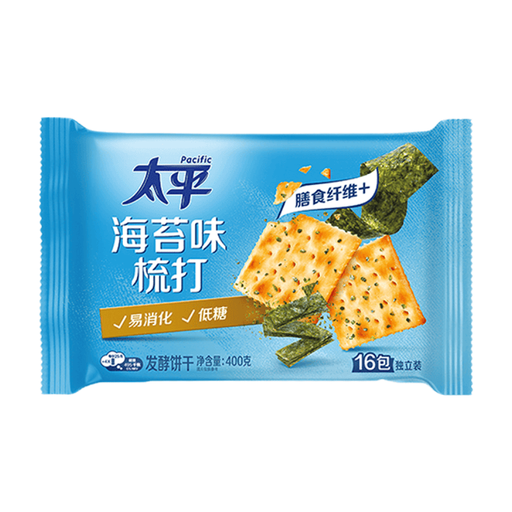 Image unavailable
For anyone considering a savoury biscuit instead of a sweet kano pastry. The family pack contains 400 g; before buying, check the nutritional information, allergens, best-before date and whether the quantity you need is available to order.
No: the four stated figures range from 36.8 to 39 g of sugars per 100 g, while the Voedingscentrum defines ‘low sugar’ as no more than 5 g per 100 g. Always check the current nutritional information on a new pack before using a claim in a shelf description.
Jumbo Kano’s met Roomboter lists 36.8 g of sugars per 100 g. Based on product information from Jumbo, PLUS and Albert Heijn, it’s followed by Aviateur at 37.6 g, PLUS Roomboter at 38.9 g and AH Roomboter at 39 g per 100 g. This is a comparison of four varieties, not an assessment of all kano pastries.
Check both the allergens present and any warnings about traces on the exact pack. The varieties compared list combinations of wheat, soya, milk and almond; some also list egg as an ingredient or possible trace.
Follow the storage advice and best-before date on the pack you’ve bought. Product information from Albert Heijn, PLUS and Jumbo recommends storing them in a cool, dry place; Albert Heijn also recommends keeping them in a sealed tin once opened.