What should you look for?
First decide whether you definitely want to hand out kano pastries or whether another biscuit would work too. A biscuit marketed as ‘no added sugars’ is not automatically a kano pastry or suitable for every guest.
Kano pastries with almond paste
Choose these if: the familiar kano shape matters more than reducing sugar, and the ingredients are suitable for your guests.
The trade-off: according to the retailers, the kano pastries mentioned from Jumbo, Albert Heijn and PLUS, as well as the Aviateur Kano pastries listed by PLUS, contain 36.8 to 39 g of sugars per 100 g.
A different type of biscuit
Choose this if: the sugar information on the packaging matters more to you than the kano shape.
The trade-off: a biscuit, wafer or cookie bar is different from a kano pastry with almond paste. Check the nutritional information and allergens for any alternative too.
| What to consider |
What to check when buying |
Who it matters to |
| Sugar content |
Compare ‘of which sugars’ per 100 g; check separately whether the product you’ve chosen makes a claim about added sugars. |
I want to hand out something sweet, but reducing sugar matters more to me than the kano shape. For around 46% of consumers, sugar is the top priority. |
| Allergens |
Ask about your guests’ needs and check both the ingredients and any ‘may contain’ warnings on the current packaging. |
If a guest needs to avoid certain ingredients, I don’t want to judge by how the biscuit looks. Around 36% of consumers give this the highest priority. |
| Shape and serving |
Check the number of biscuits or portions, and ask the school or childcare setting in advance what you’re allowed to hand out. |
For my birthday, the main thing is having enough recognisable kano pastries to serve, as long as the other requirements are met. That’s the first consideration for around 18% of consumers. |
Brands to consider: kano pastries and another type of biscuit
The brands below offer different options: most of the products mentioned are kano pastries, while Verkade’s biscuit is a different type. Always assess the specific product, not the brand as a whole.
Albert Heijn
Albert Heijn lists a 270 g pack of butter kano pastries, with six 45 g portions.
- The listed portions make it easier to work out how much you’ll need for a group.
- For these kano pastries, Albert Heijn lists 39 g of sugars per 100 g, including 38 g of added sugars.
Jumbo
Jumbo lists butter kano pastries with almond paste in a 275 g pack containing five portions.
- Jumbo provides nutritional information per 100 g and per portion.
- These kano pastries are listed as containing 36.8 g of sugars per 100 g; check the allergens listed too.
PLUS
PLUS lists its own butter kano pastries with almond paste, as well as Aviateur Kano pastries.
- You can compare information on two different kano pastry products at PLUS.
- PLUS lists 38.9 g of sugars per 100 g for its own butter kano pastries; check the current packaging before buying.
Aviateur
Aviateur makes kano pastries filled with almond paste; PLUS lists an individually wrapped version.
- PLUS’s product information states that this version contains 46% almond paste filling.
- PLUS lists 37.6 g of sugars per 100 g, along with several allergens and possible traces.
Sondey
Lidl lists Sondey Kano pastries as butter biscuits with almond paste in a 325 g pack.
- An option to look at if you’re shopping for kano pastries at Lidl.
- Read the nutritional information and allergen details on the packaging before deciding whether this product is right for your treat.
Verkade
Verkade offers San Francisco Zero as a different type of biscuit, not a kano pastry.
- Verkade describes this specific biscuit as having ‘no added sugars’ and lists 1.7 g of sugars per 100 g.
- It isn’t a substitute for the shape and almond paste filling of a kano pastry; check the current packaging for allergens too.
Biscuit alternatives on Joybuy
These are different types of biscuits for anyone who doesn’t want to stick to kano pastries for a birthday. If you’re looking to reduce sugar, check the nutritional information on the current packaging; a product name alone doesn’t confirm its sugar content or any claims.
 No image available
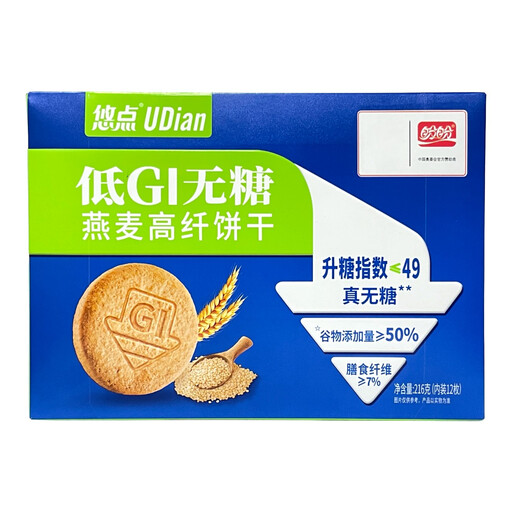
Panpan oat biscuits, 216 g
A biscuit to consider if you don’t need the kano shape. The pack contains 216 g; check the current nutritional information and allergens before choosing it for your guests.
View on Joybuy
 No image available
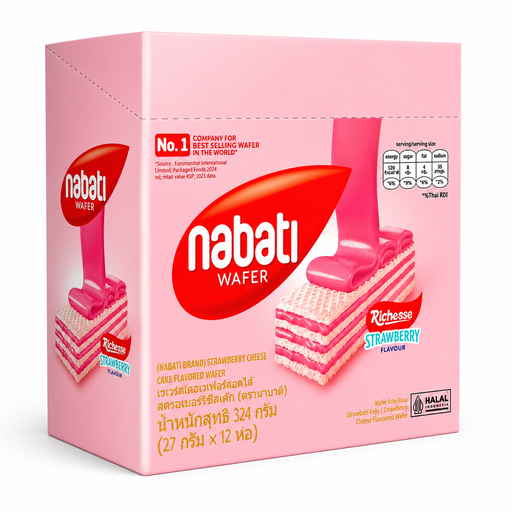
NABATI strawberry wafers, 12 × 27 g
A wafer instead of a kano pastry with almond paste, in a listed pack size of 12 × 27 g. Check the sugar content and allergens on the current packaging before handing out the wafers.
View on Joybuy
 No image available
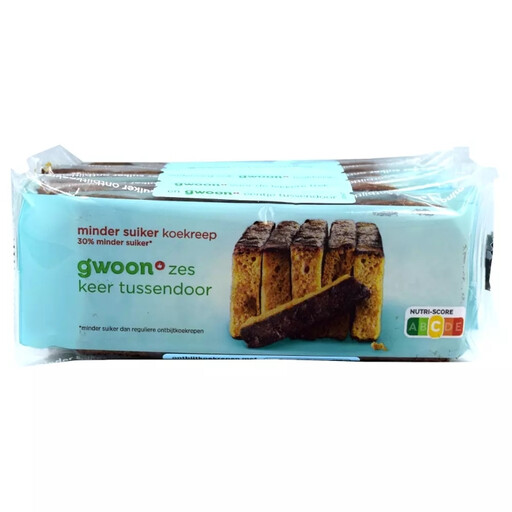
g'woon Cookie Bars Less Sugar, 6 bars
A cookie bar to consider if you’d like to offer something other than a kano pastry. The product name indicates that there are six bars; check the nutritional information and ingredients on the packaging to see whether this variety meets your sugar and allergen requirements.
View on Joybuy
Frequently asked questions
Are traditional kano pastries a good choice if I want to serve less sugar?
The kano pastries mentioned from Jumbo, Albert Heijn and PLUS, as well as the Aviateur Kano pastries listed by PLUS, aren’t an obvious choice if reducing sugar is your priority: the retailers list 36.8 to 39 g of sugars per 100 g. If you choose a different biscuit, always compare the value per 100 g on the current packaging.
Does ‘no added sugars’ mean a biscuit is sugar-free?
No, the two descriptions don’t mean the same thing. Verkade describes San Francisco Zero as having ‘no added sugars’, but also lists 1.7 g of sugars per 100 g. Check both the nutritional information and the ingredients for the specific biscuit.
What should I check before bringing a treat to school or childcare?
Before buying, ask what the school or childcare setting allows under its policy. The Netherlands Nutrition Centre highlights that local rules may apply. Also check for any allergies and read the packaging for the treat you’ve chosen.
Which allergens should I check in kano pastries?
For each product, check for ingredients such as wheat, milk, soya, egg and nuts. These ingredients, and any warnings about traces, vary between the kano pastries mentioned from Jumbo, Albert Heijn and PLUS. The current packaging is the best guide to what you can offer a guest.


