What should you look for when choosing?
Kano pastry with almond paste
Choose this: when a familiar butter biscuit matters more than chocolate.
The trade-off: the Albert Heijn and Jumbo kano pastries we looked at have no chocolate or Fairtrade claim on their product pages.
Chocolate with a Fairtrade claim
Choose this: when a verifiable claim about Fairtrade cocoa matters more than the kano shape; Jumbo lists such a claim for specific Verkade bars.
The trade-off: a chocolate bar is a different kind of treat and may need to be divided up. Check what the claim on the packaging you choose applies to, too.
If you’d like Fairtrade chocolate for a work meeting, it helps to decide on the product type and claim first, then check allergens and portions.
| What to consider |
What to check when buying |
Who it matters to |
| Fairtrade claim |
Read the product-specific claim and, if the certification mark has an arrow, the explanation on the back of the packaging. Distinguish between a claim about cocoa and one about the product. |
I want to be able to explain why the chocolate we’re serving meets our Fairtrade requirements. For around 36% of consumers, a verifiable cocoa or chocolate claim comes first. |
| Allergens |
Check the current packaging for both listed allergens and warnings about possible traces, and keep that information available when serving. |
If attendees have different allergies, I want to check what each product contains before it goes on the table. Allergens are the main concern for around 29% of consumers. |
| Portions and sharing |
Compare the number of attendees with the portions listed on the packaging, and decide whether you’ll serve whole biscuits or divide up a bar. |
I want to have enough to go round without having to divide up a bar during the meeting. Around 21% of consumers prioritise planning portions. |
| Classic kano pastry |
Check that you really want a kano pastry filled with almond paste; don’t use a standard kano pastry as a substitute for Fairtrade chocolate if a suitable product claim is required. |
For our team, a familiar butter biscuit matters more than chocolate. Around 14% of consumers give this product preference top priority. |
A chocolate option on Joybuy
This bar is a chocolate option for a work meeting, not an alternative if you’re looking for a kano pastry. Before buying, check the packaging for the exact Fairtrade claim, allergens and how you plan to divide up the bar.
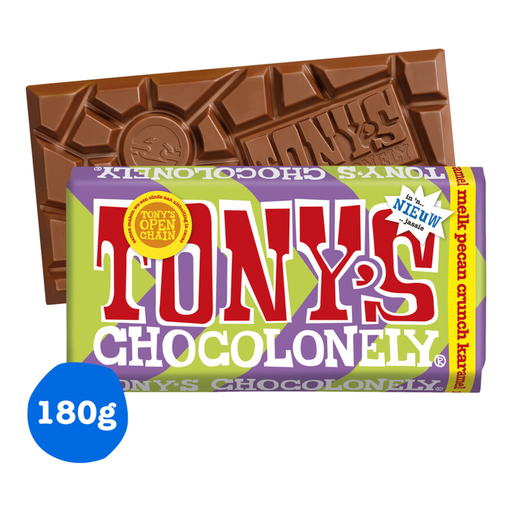 Image unavailable
Tony's Chocolonely milk chocolate bar with pecan and caramel, 180 g
A chocolate bar to consider if chocolate, rather than the kano shape, is right for your work meeting.
The bar weighs 180 g. Check the current packaging to see what any Fairtrade claim applies to, and check the ingredients and allergens before sharing it.
View on Joybuy
Frequently asked questions
Does Fairtrade cocoa mean all the ingredients are Fairtrade?
No. A claim about Fairtrade cocoa doesn’t automatically apply to the other ingredients. Fairtrade Nederland distinguishes between labels and advises checking the explanation on the back of the packaging when a certification mark has an arrow.
Can I describe the Albert Heijn or Jumbo kano pastries we looked at as Fairtrade chocolate treats?
Not based on the product pages we looked at: Albert Heijn and Jumbo describe these kano pastries as butter biscuits filled with almond paste, and make no mention of chocolate or a Fairtrade claim. If such a claim is essential, check the packaging of the product you buy.
Which allergens should I look out for in kano pastries for a work meeting?
Check the current packaging for ingredients and warnings that are relevant to those attending. The product information for the Albert Heijn and Jumbo kano pastries we looked at lists, among other things, milk, egg, cereals containing gluten, soya and almonds or other nuts; the details vary by product.
How can I keep product information available if I put the treats on a serving plate?
Keep the packaging by the plate, or make sure the correct ingredient and allergen information is easy to access. According to the Netherlands Food and Consumer Product Safety Authority, this information appears on the label of prepacked foods. Keep different products separate.


