
Coffee drinker looking to limit sugar
You compare the amount of sugars per 100 g and are happy to choose a different type of biscuit instead of a kano pastry. The sugar-free coconut biscuit listed by Jumbo is one such alternative.


A regular kano pastry is a good match for hotel-room coffee if you value its almond-paste filling more than limiting sugar. The kano pastries reviewed from Jumbo, Albert Heijn and PLUS contain 36.8 to 39 g of sugars per 100 g. A sugar-free biscuit could be an alternative if sugar content is your priority, but it is made differently. If you’re serving these to guests, also check the portion size, allergens and storage instructions for the pack you choose.
You compare the amount of sugars per 100 g and are happy to choose a different type of biscuit instead of a kano pastry. The sugar-free coconut biscuit listed by Jumbo is one such alternative.
You want a pastry filled with almond paste to have with your coffee. The kano pastries reviewed from Jumbo, Albert Heijn and PLUS contain 36.8 to 39 g of sugars per 100 g; this is worth bearing in mind if limiting sugar is also important to you.
You need to be able to check the allergens, portion size and storage instructions for each pack you choose. If guests are given a biscuit in their room, it’s also worth checking whether the individual pieces are wrapped separately.
First decide whether you specifically want a filled kano pastry, or whether another type of biscuit will do if sugar content matters more. Then check the exact pack you plan to offer your guests.
| What to consider | What to check when buying | Who it matters to |
|---|---|---|
| Sugars and type of biscuit | Compare sugars per 100 g and read the ingredients if you’re considering an alternative sweetened with a sweetener. | If I want less sugar with my coffee, I’m happy to choose a different type of biscuit. This is the deciding factor for around 45% of consumers. |
| Kano pastry with almond paste | Check the filling and the amount per piece; a smaller kano is still a kano pastry, with its own nutritional value per 100 g. | I specifically expect a filled kano pastry with my coffee and don’t want to swap it for a coconut biscuit. Around 33% of consumers prefer the traditional pastry. |
| Serving guests in their rooms | Check the allergens, individual wrapping and storage instructions for the version you choose. | I want the right product information available for hotel guests and need to know how to serve the biscuits. This practical consideration comes first for around 22% of consumers. |
For comparing nutritional values, the Netherlands Nutrition Centre recommends checking figures per 100 g. Also look at the amount per piece: Jumbo, for example, lists its regular butter kano pastry as 55 g per portion, while Albert Heijn lists its version reviewed here as 45 g per portion. Comparing individual pieces therefore answers a different question from comparing values per 100 g.
The Céréal coconut biscuit listed by Jumbo has a different composition and shape from a kano pastry filled with almond paste. A suitable sugar value doesn’t mean it meets your preference for a filled pastry.
Before comparing, decide whether the kano pastry itself matters or whether another biscuit will do with your coffee.
A product name or claim is no substitute for the nutrition table. The Netherlands Nutrition Centre says that comparing products per 100 g makes differences clearer than comparing only the portion sizes chosen by manufacturers.
Read the nutritional values per 100 g, then check how many grams you’ll serve to each guest.
The Céréal coconut biscuit listed by Jumbo contains maltitol and states that it has 18 g of polyols per 100 g. Another Céréal version at Joybuy carries a warning that excessive consumption may have a laxative effect; don’t assume this warning applies to a different version without checking its label.
Check the ingredients, polyols and any usage warnings on the pack of the biscuit you choose.
The listed allergens and possible traces vary between the products reviewed. Information about one brand’s kano pastry is therefore no substitute for checking the label of another version.
Check the current packaging of every biscuit you offer guests, and make sure the information is available when you serve it.
These examples help you distinguish regular kano pastries from other types of biscuit; each nutritional value applies to the specific version mentioned.
Albert Heijn lists a 270 g butter kano pastry with six 45 g portions and an almond-paste filling.
The regular butter kano pastry from Jumbo reviewed here weighs 275 g and is divided into five 55 g portions.
PLUS lists its own-brand butter kano pastry and Aviateur kano pastries as separate versions.
The Céréal coconut biscuit listed by Jumbo is an alternative for anyone considering a different type of biscuit instead of a kano pastry.
These are other types of biscuit to enjoy with coffee, not kano pastries filled with almond paste. If sugar content is your main concern, compare the nutrition table for the version you choose rather than relying on the wording in its product name.
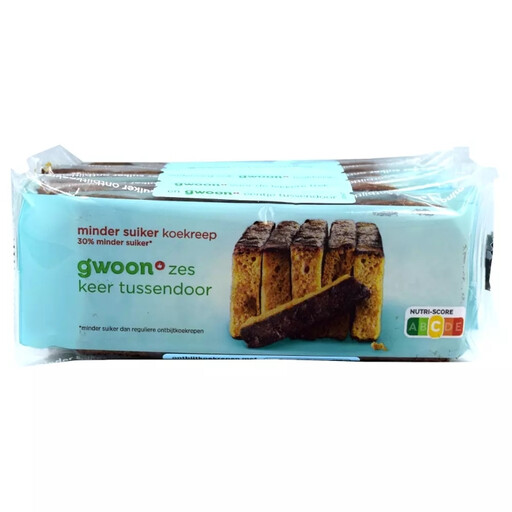 Image unavailable
A biscuit bar for anyone looking for something other than a kano pastry to have with their coffee.
The words ‘Less Sugar’ don’t tell you how much less sugar this bar contains without a comparison with a regular version. Check the nutrition table and allergens on the current packaging, and see whether the six bars are individually wrapped if you plan to leave them in hotel rooms.
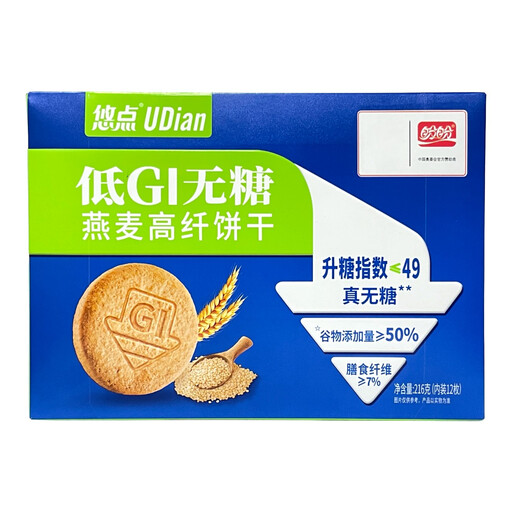 Image unavailable
A biscuit to consider when you don’t need a kano-shaped pastry for your coffee break.
The words ‘Sugar-Free’ in the original product title conflict with a sugar value listed in the nutrition table, so don’t assume it contains no sugars. Check the current nutritional values, the allergen information for ingredients including wheat, soya, oats and egg, and whether the biscuits are individually wrapped for serving.
First compare the nutritional values of the specific kano pastry with other types of biscuit: the versions listed by Jumbo, Albert Heijn and PLUS that were reviewed here contain 36.8 to 39 g of sugars per 100 g. A smaller portion doesn’t change the value per 100 g, but it does change how much pastry you serve at a time.
No. The Céréal coconut biscuit listed by Jumbo as containing 0 g of sugars per 100 g isn’t a kano pastry filled with almond paste. When choosing a biscuit to have with your hotel-room coffee, consider the type of product, ingredients and portion size as well as the sugar content.
Read the allergen information on the current packaging of every version you plan to serve. The kano pastries reviewed here list ingredients including cereals containing gluten, milk, soya, egg and almonds, but the precise information and possible traces vary by product.
Follow the storage instructions on the pack you choose, including after opening. The information reviewed for the kano pastries says to store them in a cool, dry place; Albert Heijn advises keeping its version in a sealed tin after opening. For individual biscuit alternatives, check their own labels.