
Shoppers looking for Fairtrade cocoa
What matters most to you is whether the claim applies to the product you’ve chosen. A chocolate bar with a verifiable Fairtrade cocoa claim may therefore be a better fit than a kano cake without one.


Choose kano cakes if you mainly want to take an almond-paste pastry to share; don’t automatically treat them as Fairtrade chocolate. If verifiably Fairtrade cocoa is your priority, choose chocolate with a product-specific claim on the packaging, perhaps alongside the kano cakes. Before heading to the festival, check the allergens and storage instructions for both products.
What matters most to you is whether the claim applies to the product you’ve chosen. A chocolate bar with a verifiable Fairtrade cocoa claim may therefore be a better fit than a kano cake without one.
You want a cake you can take along and hand out. For kano cakes, it’s worth checking the number of pieces, the packaging and the storage instructions before you set off.
If you’re taking snacks for other people, it’s important to know which ingredients and allergens apply to each product. Keep the packaging handy when handing them out, even if you’re offering kano cakes and chocolate together.
Choosing between kano cakes and chocolate on its own starts with what matters most to you: do you want to share an almond-paste pastry, or do you need the cocoa to be verifiably Fairtrade? You can take both, too, as long as you keep the product claims and allergen information separate.
Choose these: if you specifically want to take an almond-paste pastry and Fairtrade cocoa isn’t a requirement.
The trade-off: Jumbo and PLUS describe their kano cakes as pastries filled with almond paste; you’ll need to check the packaging of your chosen variety for a Fairtrade claim.
Choose this: if a product-specific Fairtrade cocoa claim is your priority.
The trade-off: chocolate isn’t a kano cake; also check the allergens and the storage instructions on the packaging.
Choose these: if you want to share pastries and offer chocolate with a verifiable Fairtrade cocoa claim.
The trade-off: you’ll be taking two types of product, so check the claim, allergens and storage instructions on each pack.
| What to consider | What to check when buying | Who it matters to |
|---|---|---|
| Fairtrade cocoa | Look for the claim on the packaging of the exact variety; if there’s a Fairtrade logo with an arrow, read the explanation on the back, too. | I want to see whether the cocoa in the treat I’ve chosen is covered by the claim; verifiably Fairtrade cocoa would be the main priority for roughly 44% of consumers. |
| Taking snacks along to share | Check the number of pieces or portions, and the storage and transport instructions. | If I’m handing out snacks while I’m out and about, I want to know in advance how to pack them; this practical consideration would come first for around 33% of consumers. |
| Allergens | For each variety, read the ingredients, listed allergens and any warnings about traces. | When I’m buying something for a group, I need to be able to check what each product contains; allergen checks would be the main concern for around 23% of consumers. |
Albert Heijn describes a certification policy for cocoa in its own-brand products. Fairtrade Netherlands says that PLUS own-brand products contain Fairtrade-certified cocoa. Neither statement confirms which cocoa is used in a kano cake from another brand.
Check the claim on the exact pack you’re buying. If you want to take both an almond-paste pastry and chocolate with a Fairtrade cocoa claim, assess the two products separately.
Fairtrade says that if there’s a logo with an arrow, you should read the information on the back. Milieu Centraal’s Labels Guide explains that a claim about an ingredient isn’t the same as a claim about the whole product.
For a snack made with several ingredients, check which ingredients are covered by the claim and whether it specifically refers to cocoa or chocolate.
Ingredients vary by variety. Jumbo and PLUS list wheat, almonds, milk and soya among the ingredients in their kano cakes; egg or a warning about traces may also be relevant.
Read the latest packaging and keep it available for anyone you offer a cake to. The Netherlands Food and Consumer Product Safety Authority says allergens must be listed on the label of pre-packed products.
The Jumbo kano cakes described here should be stored in a cool, dry, dark place. For chocolate, the Netherlands Nutrition Centre advises following the storage instructions and best-before date on the packaging.
Keep the packaging intact during transport and follow the separate storage instructions for the kano cakes and chocolate.
These examples can help you distinguish information about kano cakes from information about cocoa or chocolate. Always check a Fairtrade claim for the variety you’re actually choosing.
Jumbo describes its 275 g Kano's met Roomboter as butter cakes with 38% almond-paste filling.
PLUS describes its 230 g Aviateur Kano's Per Wikkel as cakes with 46% almond-paste filling.
A Verkade milk chocolate bar listed by Albert Heijn carries a Fairtrade cocoa claim, making it an example of chocolate chosen separately.
Albert Heijn says that the cocoa in its own-brand products is Rainforest Alliance- or Fairtrade-certified.
PLUS sells Aviateur kano cakes; Fairtrade Netherlands also says that PLUS own-brand products contain Fairtrade-certified cocoa.
ALDI describes its 330 g Heerlijck Banket Kano's as pastries shaped like canoes.
These Joybuy products are chocolate bars for anyone considering chocolate alongside or instead of kano cakes. They’re not almond-paste pastries, so check the current Fairtrade cocoa claim, allergens and storage instructions for each bar before taking it with you.
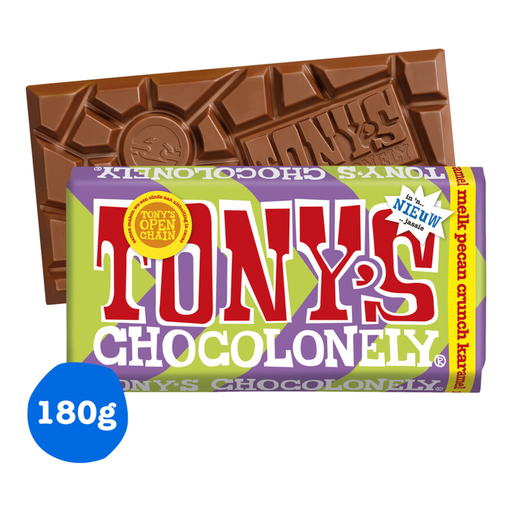 Image unavailable
A chocolate bar to offer alongside the kano cakes.
The product name lists milk chocolate, pecan and caramel; the bar weighs 180 g. Check the packaging for the Fairtrade claim and allergen information that apply to this variety, and follow the storage instructions while you’re taking it with you.
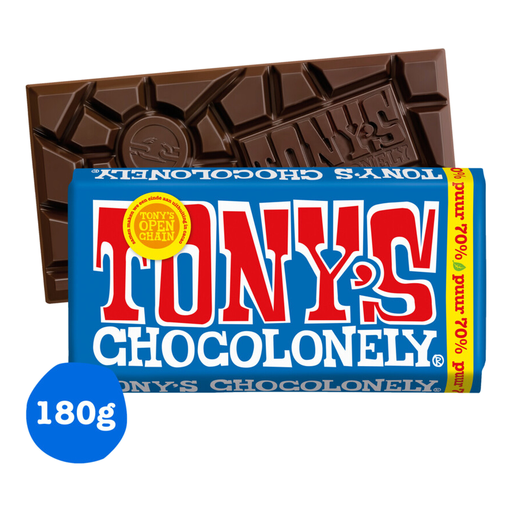 Image unavailable
A bar of dark chocolate for anyone choosing chocolate instead of or alongside kano cakes.
The product name gives the weight as 180 g and says Pure 70%. If the percentage of cocoa solids is important to your choice, check the label on this variety. Also look for the Fairtrade claim, allergens and storage instructions.
No. The kano cakes described by Jumbo and PLUS are pastries filled with almond paste, not chocolate bars. If a Fairtrade cocoa claim matters to you, check that it’s explicitly shown on the packaging of your chosen variety, or choose chocolate with such a claim separately.
Check the current packaging to see which claim applies to the product and its ingredients. Fairtrade says that if there’s a logo with an arrow, you should read the explanation on the back. Milieu Centraal’s Labels Guide distinguishes between a claim about an ingredient and one about the whole product.
It depends on the variety. For the kano cakes described on its site, Jumbo lists almonds, egg, gluten, milk, soya and wheat among the allergens. For the Aviateur kano cakes described on its site, PLUS lists wheat, soya, milk and almonds, with a warning about possible traces of egg. Check the latest packaging when you buy them, especially if you’re sharing the cakes with others.
Follow the storage instructions on the packaging for each product. Jumbo says to store the kano cakes described on its site in a cool, dry, dark place. For chocolate, the Netherlands Nutrition Centre recommends following the packaging instructions and best-before date. Keep the packaging handy when handing the snacks out, so others can check the ingredients and allergens.