
Hosts who want to share kano biscuits
You’re looking for a biscuit with almond paste filling that you can serve in portions. The familiar kano shape matters more to you than a stated cocoa percentage.


Choose kano biscuits if your guests are expecting a shareable biscuit with almond paste filling. If by ‘dark’ you mean a product with a clearly stated high cocoa content, choose a dark chocolate bar that shows the percentage: the kano biscuits described here are pastries, while Verkade says its Extra Puur contains at least 71% cocoa. For either choice, check the current label if you need to take allergies into account.
You’re looking for a biscuit with almond paste filling that you can serve in portions. The familiar kano shape matters more to you than a stated cocoa percentage.
By ‘dark’, you mean a product with a clearly stated cocoa percentage. In that case, a dark chocolate bar is a different choice from a kano biscuit with almond paste filling.
You’re serving something to guests with a relevant allergy, so you check the ingredients and any ‘may contain’ warnings on the packaging of the product you’re actually serving.
Choose this if: you expect your guests to want a filled biscuit served in individual portions.
Bear in mind: the kano biscuits described are pastries with almond paste filling, not a proven high-cocoa option.
Choose this if: a stated cocoa percentage matters more than the kano shape. Verkade says its Extra Puur contains at least 71% cocoa.
Bear in mind: a chocolate bar doesn’t have the almond paste filling of a kano biscuit, and ‘dark’ doesn’t rule out allergen warnings.
| What to consider | What to check when buying | Who should pay particular attention? |
|---|---|---|
| Cocoa or kano shape | Look for a clearly stated cocoa percentage if cocoa is your priority; read the product description if you’re expecting kano biscuits. | I want a bar with a clearly stated cocoa content, even if that means there won’t be any kano biscuits on the table. This cocoa preference is the top priority for around 42% of consumers. |
| Portions and filling | Compare the number of portions or biscuits and check what filling is listed on the packaging. | I want to be able to serve my guests familiar kano biscuits with almond paste filling. This is the main requirement for around 33% of consumers. |
| Allergens | Read the ingredients and ‘may contain’ information on the current packaging before serving. | If a guest has a relevant allergy, choosing a suitable product comes before taste or portioning. This is the top priority for around 25% of consumers. |
The kano biscuits described here are pastries with almond paste filling. A dark chocolate bar with a stated cocoa percentage is a different type of product.
Before you buy, decide whether the kano shape or a clearly stated cocoa percentage matters more to you.
Verkade says its Extra Puur may contain milk and hazelnuts.
If someone has an allergy, check the warnings on the exact packaging you plan to serve.
Jumbo lists five portions for its 275 g pack of kano biscuits; Albert Heijn lists six portions for its 270 g butter kano biscuits.
Compare the stated number of portions or biscuits with your guest list, not just the weight.
Ingredients and allergen information can change. That’s why the current packaging matters when you’re buying for someone with an allergy.
Read the label when you buy the product and again before serving it.
Jumbo describes its 275 g kano biscuits as butter biscuits with 38% almond paste filling and lists five portions.
Albert Heijn describes its 270 g butter kano biscuits as containing 41% almond paste filling and providing six portions.
PLUS describes Aviateur Kano’s, 230 g, as biscuits with 46% almond paste filling.
Lidl describes Sondey Kano’s, 325 g, as butter pastries filled with almond paste.
ALDI describes Heerlijck Banket Kano’s, 330 g, as pastries in a canoe shape.
These bars suit the chocolate option if you’d rather serve a bar than kano biscuits at your neighbourhood get-together. Compare the cocoa percentage for each option, and always check the current packaging if allergies are a concern.
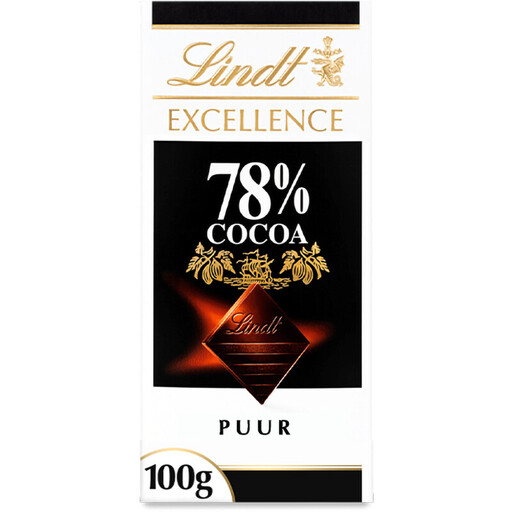 Image unavailable
For anyone who’d like to serve a chocolate bar with a stated cocoa content instead of kano biscuits with almond paste filling.
This variety contains 78% cocoa and weighs 100 g. If allergies are a concern, check the current ingredients and warnings on the packaging.
 Image unavailable
For anyone looking specifically for a variety with 85% cocoa.
The bar weighs 100 g and isn’t a substitute for a biscuit with almond paste filling. Before serving, read the current label if allergens are a concern.
 Image unavailable
For anyone looking for a bar with a stated cocoa content of 90% who doesn’t need to serve kano biscuits.
This variety weighs 100 g. Check the packaging for ingredients and allergen warnings before serving it to your guests.
 Image unavailable
For anyone who’d like to serve a dark chocolate bar with a stated cocoa percentage.
This variety contains 70% cocoa and weighs 100 g. The allergen information in the product description differs from that in the allergen section, so check the packaging before serving the bar to someone with an allergy.
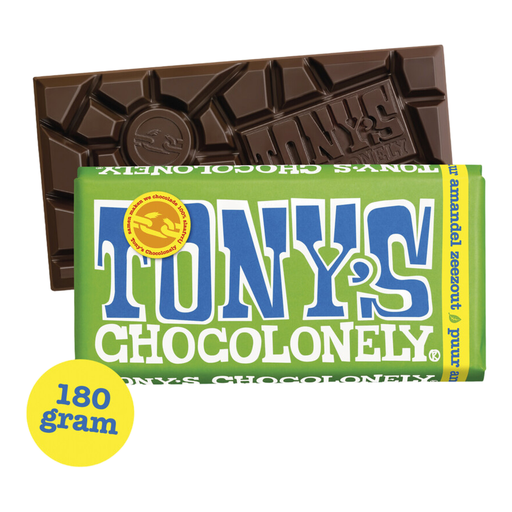 Image unavailable
For anyone who’d rather serve dark chocolate with almonds and sea salt than a kano biscuit with almond paste filling.
The bar weighs 180 g. If a high cocoa content is your main reason for choosing, compare the stated percentage. If allergies are a concern, check the current packaging too, as the ingredients list and allergen information for this product differ.
Not based on the kano biscuits described here: Jumbo, Albert Heijn, Lidl, PLUS and ALDI describe these products as biscuits with almond paste filling. If cocoa content is the deciding factor, choose a product with a clearly stated percentage on the label; a chocolate bar isn’t a kano biscuit.
Not automatically. Verkade says its Extra Puur may contain milk and hazelnuts. Always check the current packaging of the product you’re serving for your guest’s specific allergy.
Check the full ingredients list and any ‘may contain’ warnings for the kano biscuits you choose, as these vary by product. The Netherlands Food and Consumer Product Safety Authority explains that allergens required by law are listed in the ingredients list.
Follow the storage instructions on the packaging you buy. Jumbo, Albert Heijn and PLUS say to store their kano biscuits in a cool, dry place; Albert Heijn recommends keeping them in a sealed tin after opening.
Use it to help you make your choice, but check the packaging itself before serving. For a relevant allergy in particular, the current ingredients and warnings on that exact product are what matter.