What should you look for when choosing?
Start by deciding whether you specifically want a Kano, are considering a different biscuit or are packing something for an ordinary school day. Then check the portion size and allergens to make sure your chosen product is suitable.
Standard Kano
When: if you deliberately want to pack a Kano as an occasional biscuit treat.
Trade-off: Jumbo lists 20.2 g of sugars per 55 g biscuit for its butter Kano biscuits; the Kano varieties checked also contain several allergens.
Different biscuit
When: if you don’t need the Kano shape or almond paste filling and want to compare the nutritional information for other biscuits.
Trade-off: Verkade lists 1.7 g of sugars per 100 g for San Francisco Zero, but this biscuit contains wheat, milk and soya.
An ordinary school day
When: if you’re not planning a biscuit treat and are choosing food for everyday lunch or break time.
Trade-off: vegetables, fruit and wholegrain foods are in line with the Netherlands Nutrition Centre’s school food advice, but they don’t offer the same biscuit experience as a Kano.
| What to consider |
What to check when buying |
Who it matters to |
| Sugars and product type |
Compare sugars per 100 g and per portion. Check whether you’re buying a Kano or another type of biscuit. |
I want to pack less sugar, but don’t want to mistake a completely different biscuit for a Kano. For around 42% of consumers, this comparison is the top priority. |
| Allergens and school rules |
Check the current label for ingredients including wheat, milk, egg, soya and nuts, and ask what rules apply in the class. |
If allergens are a concern for my family or at school, the biscuit needs to be suitable for the situation. Around 33% of consumers put this check first. |
| Biscuit treat and portion size |
Decide whether it’s an occasional biscuit and check the portion size on the packaging. |
For a one-off school day, I want to know what extra treat I’m packing without losing sight of the usual lunch. For around 25% of consumers, this is the main consideration. |
A cracker alternative on Joybuy
If the Kano shape isn’t important, you could also consider packing a cracker for school. Compare the nutritional information on the packaging; the cracker below isn’t a Kano.
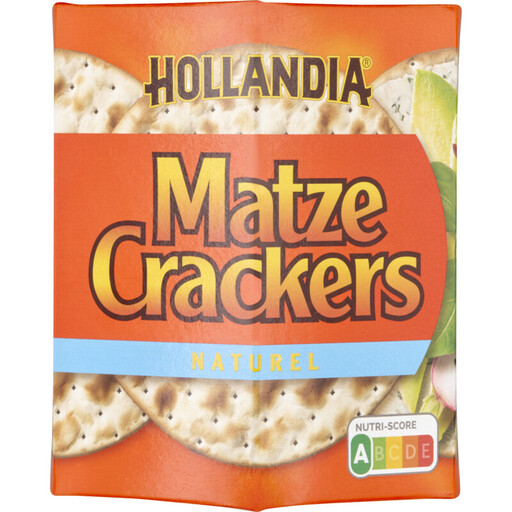 Image unavailable
Hollandia Matzo Crackers Natural, 16 pieces
A cracker to consider if you don’t specifically want to pack a Kano. The pack contains 16 pieces. This product contains wheat/gluten; check the full allergen information on the current label and your school’s rules before packing it.
View on Joybuy
Frequently asked questions
Is a standard Kano a lower-sugar option?
Don’t assume so based on the product name. Jumbo lists 36.8 g of sugars per 100 g for its butter Kano biscuits, while PLUS lists 37.6 g per 100 g for Aviateur Kano’s Per Wikkel. If you’re considering other products, compare the portion size too, and bear in mind that Verkade San Francisco Zero is a different type of biscuit.
Can I pack a Kano if food allergies are a concern at school?
Only if the ingredients are suitable for the allergy in question and comply with the school or class rules. The Kano varieties mentioned contain several allergens, including wheat/gluten, milk and soya. Check the current label and, if necessary, ask what rules apply in the class.
Where can I find out what the school’s rules are about biscuits?
Check the school handbook or ask the teacher what rules apply in the class. According to VOO, schools can set their own rules about treats, so don’t assume that something allowed at another school will be allowed at yours.
Should I check the packaging again if I buy the same biscuit regularly?
Yes. If you’re choosing based on ingredients or allergens, check the current packaging every time. Albert Heijn points out that product information can change, so a product page or pack you checked previously may not match the one you’re buying now.
What can I pack for an ordinary school day instead of a biscuit?
For food at primary school, the Netherlands Nutrition Centre recommends options including vegetables, fruit and wholegrain foods. Choose something that suits lunchtime and check for any allergens and school rules too.


