
If you want to choose something strictly sugar-free
You’re looking for a snack that meets the ‘sugar-free’ threshold. A regular kano biscuit isn’t an obvious choice: check the ‘of which sugars’ figure per 100 g.


If you want to eat strictly sugar-free mid-morning, don’t choose regular kano biscuits with nutrition information published by Albert Heijn: its butter kano biscuits contain 39 g of sugars per 100 g, while its BASIC Kano biscuits contain 38 g per 100 g. According to the Netherlands Nutrition Centre, ‘sugar-free’ means no more than 0.5 g of sugars per 100 g. If you’re only looking to avoid added sugars, you could also consider other types of snack, but still check the nutritional information per 100 g.
You’re looking for a snack that meets the ‘sugar-free’ threshold. A regular kano biscuit isn’t an obvious choice: check the ‘of which sugars’ figure per 100 g.
You’re mainly keeping an eye on added sugars and are happy for a product to contain some sugars. Check both the ingredients list and the nutrition table.
You’d like to enjoy a familiar kano biscuit mid-morning. That’s a different choice from a strictly sugar-free snack, so decide which matters most to you.
First decide whether ‘sugar-free’ is a must-have, or whether you simply want to avoid added sugars. Then compare the nutritional information per 100 g, as recommended by the Netherlands Nutrition Centre.
| What to consider | What to check when buying | Who it matters most to |
|---|---|---|
| Strictly sugar-free | Check the ‘of which sugars’ figure per 100 g. The Netherlands Nutrition Centre says ‘sugar-free’ means no more than 0.5 g of sugars per 100 g. | If sugar-free is a must-have for me, I don’t want to choose a kano biscuit based only on the wording on the front of the pack. Around 42% of consumers prioritise this. |
| No added sugars | Check the ingredients list and the sugars per 100 g; ‘no added sugars’ doesn’t mean the same as ‘sugar-free’. | I want to avoid added sugars, but the product doesn’t necessarily have to be sugar-free. That’s the main priority for around 33% of consumers. |
| A filled biscuit | Decide whether having a kano biscuit matters more than meeting a strict sugar limit; also check the nutritional information and allergens on the pack. | When it’s time for a biscuit, I’d rather have a familiar kano than a different kind of snack, as long as it doesn’t have to be sugar-free. That’s the priority for around 25% of consumers. |
These are different claims. According to Jumbo, Peijnenburg wholemeal breakfast cake with no added sugars still contains 4.9 g of sugars per 100 g.
If sugar-free is a must-have for you, check the ‘of which sugars’ figure per 100 g instead of relying on the claim on the front of the pack.
Albert Heijn lists 39 g of sugars per 100 g for its butter kano biscuits and 38 g per 100 g for its BASIC Kano biscuits. Neither of these varieties is suitable if you’re looking for a strictly sugar-free option.
Consider a different type of snack if sugar-free is a firm requirement for you.
Comparing products per 100 g gives you a like-for-like basis when packs list different portion sizes. AH butter kano biscuits also contain dextrose and glucose-fructose syrup, as well as sugar.
Read the nutrition table and ingredients list together before comparing two products.
Peijnenburg wholemeal breakfast cake with no added sugars carries a warning that excessive consumption may have a laxative effect.
If you choose an alternative containing polyols, check the warnings on the pack too.
Albert Heijn’s product information can help you assess regular kano biscuits; the range of snacks for people watching their sugar intake extends beyond sugar-free products.
Jumbo’s product information gives an example of a different kind of snack with no added sugars.
Its wholemeal breakfast cake with no added sugars is an alternative to consider if you’re not specifically looking for a kano biscuit.
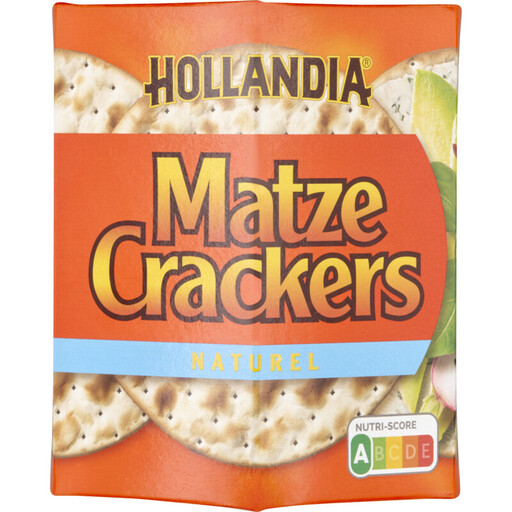
These matzo crackers are a different kind of snack from a filled kano biscuit. If sugar-free is your main requirement, check the sugar content on the pack before choosing.
 No image available
A mid-morning snack for when you fancy a cracker instead of a filled biscuit.
Pack of 16. If you’re looking for a strictly sugar-free option, check the sugars per 100 g on the pack; read the allergen information if it’s relevant to you.
No. Check the nutrition table per 100 g. According to the Netherlands Nutrition Centre, ‘sugar-free’ means no more than 0.5 g of sugars per 100 g; Albert Heijn lists 39 g per 100 g for its butter kano biscuits.
No. A product with no added sugars may still contain sugars. According to Jumbo, Peijnenburg wholemeal breakfast cake carrying that claim contains 4.9 g of sugars per 100 g.
Compare the nutritional information for similar products per 100 g, as recommended by the Netherlands Nutrition Centre. Also read the ingredients list and check which allergens are listed on the pack.
Check the nutritional information and any warnings on the pack. Peijnenburg wholemeal breakfast cake with no added sugars carries a warning that excessive consumption may have a laxative effect.