
Families mainly keeping an eye on sugar
When sharing biscuits, you may care more about the sugars per 100 g than the familiar Kano shape. A biscuit is another option, as long as you also check its energy, sweeteners and ingredients.


If cutting down on sugar is your priority, Albert Heijn and Jumbo’s standard Kano biscuits are not an obvious choice: their product information lists 39 g and 36.8 g of sugars per 100 g respectively. A biscuit could be an option if you don’t need the Kano shape and almond paste filling, but compare the energy, portion sizes, sweeteners and allergens too; it’s a different type of biscuit.
When sharing biscuits, you may care more about the sugars per 100 g than the familiar Kano shape. A biscuit is another option, as long as you also check its energy, sweeteners and ingredients.
You’re specifically looking for a filled biscuit with almond paste. Albert Heijn and Jumbo’s standard Kano biscuits don’t suit a preference for less sugar, so pay close attention to portion sizes and the nutritional values per portion.
If not everyone can or wants to eat the same ingredients, one large pack won’t necessarily be practical. Check the ingredients, allergens and any warnings on the current packaging for each product.
First decide whether the biscuit really needs to be a Kano with almond paste filling. Then compare the nutritional information and work out how many portions in a pack will suit your family.
| What to consider | What to check | Who it matters to |
|---|---|---|
| Sugars and type of biscuit | Compare ‘of which sugars’ per 100 g and check whether you’re buying a filled Kano or a biscuit. | If I mainly want less sugar, I can consider a different type of biscuit rather than sticking to Kano biscuits. This preference comes first for around 36% of consumers. |
| Filling and flavour expectations | Read the product description if almond paste filling is an important part of your choice. | For our shared biscuit break, I specifically want the almond paste filling and accept that a standard product won’t meet my preference for less sugar. This matters most to around 29% of consumers. |
| Pack size and portions | Check the pack weight, stated portion size and number of portions. | When stocking up for several people, I want to know how many biscuit breaks one pack will cover. Around 21% of consumers prioritise this practical consideration. |
| Ingredients and warnings | Check allergens, ‘may contain’ statements and any warnings about sweeteners. | If a member of my family needs to avoid certain ingredients, my first priority is to check whether the biscuit is suitable for them. This is the top priority for around 14% of consumers. |
Serving fewer biscuits doesn’t change their composition. Albert Heijn lists 39 g of sugars per 100 g for AH Roomboter kano’s; Jumbo lists 36.8 g per 100 g for Jumbo Kano’s met Roomboter.
If less sugar is your main priority, compare the values per 100 g first. Choose a standard Kano only if you want the filled biscuit and are happy with its nutritional value.
According to Albert Heijn, AH Digestive 0% suiker contains 0.3 g of sugars, 465 kcal and 14 g of polyols per 100 g. The product also carries a warning that excessive consumption may have a laxative effect.
As well as the name, read the nutritional information, ingredients and warnings, and consider the portion you actually plan to serve.
The Dutch government describes Nutri-Score as a tool for comparing products of the same type. A score or sugar claim doesn’t, by itself, tell you how a biscuit fits into the rest of your diet.
Compare biscuits within the same product category and check the ingredients and nutritional value too. For children’s snacks, the Voedingscentrum also suggests options such as vegetables and fruit.
The product information for the Kano biscuits discussed here lists several allergens. AH Digestive 0% suiker lists wheat and may also contain other gluten-containing cereals.
Check the current ingredients list and ‘may contain’ statements on every pack you choose if someone eating them needs to avoid certain ingredients.
These examples show the difference between standard Kano biscuits and biscuits with a different sugar claim; they are different types of biscuit and aren’t interchangeable.
At Albert Heijn, you can compare a standard filled Kano with a biscuit made with sweeteners.
Jumbo Kano’s met Roomboter are an example of the standard filled-biscuit option.
Verkade San Francisco Zero is a biscuit option if you’re not looking for a filled Kano.
This product is a biscuit for anyone considering a different type of biscuit while looking for Kano biscuits. Before choosing it for your family, compare the claims on the pack with the nutritional information.
 No image available
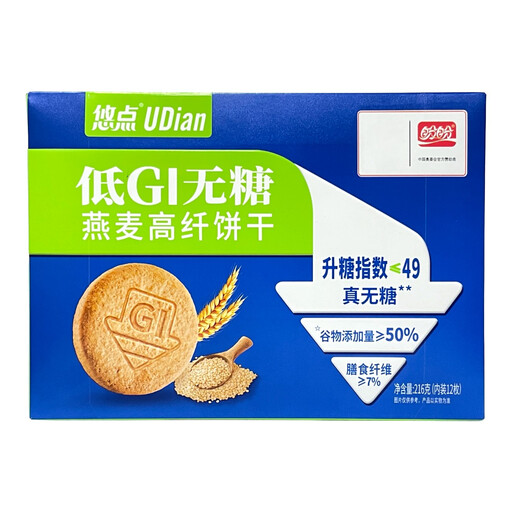
A biscuit to consider if you don’t need a Kano with almond paste filling; the pack contains 216 g.
The ‘Sugar-Free’ claim in the product name doesn’t match the stated 11.7 g of sugars per 100 g. So don’t rely on the claim: check the current packaging before buying, including for any ingredients that matter to your family.
Not if cutting down on sugar is your main reason for looking for a different biscuit. Albert Heijn lists 39 g of sugars per 100 g for its Roomboter kano’s, while Jumbo lists 36.8 g per 100 g for its Kano’s met Roomboter; both are standard filled biscuits.
No, these claims don’t mean the same thing. Verkade describes San Francisco Zero as ‘no added sugars’, while the nutritional information lists 1.7 g of sugars per 100 g. So make sure you also read the ‘of which sugars’ line.
No. Albert Heijn lists 0.3 g of sugars and 465 kcal per 100 g for AH Digestive 0% suiker. Check the portion size, ingredients and warnings too, rather than relying on the product name alone.
Check which sweeteners they contain and whether the packaging carries a warning about consumption. According to Albert Heijn, AH Digestive 0% suiker contains the polyols maltitols and isomalt; the product information warns that excessive consumption may have a laxative effect.
A sugar claim doesn’t automatically make a biscuit a suitable everyday snack. For children, the Voedingscentrum recommends snacks mainly from the Schijf van Vijf, including vegetables and fruit. Think of a biscuit as part of your overall diet, rather than judging it by the words on the front of the pack alone.