
Brunch shoppers looking for seeds and fibre
If you want kernels or seeds in your roll, look at seeded varieties. If fibre is your main priority, compare the nutritional information per 100 g; a wholemeal Kaiser roll may also be worth considering.


If you mainly want seeds in your roll, choose a seeded roll; if you want the Kaiser shape with wholemeal flour, look for a wholemeal Kaiser roll. A white Kaiser roll is a good choice when the classic shape and bake-at-home preparation matter more than seeds. Compare the fibre per 100 g on the label, and check the allergen information and preparation instructions for your guests.
If you want kernels or seeds in your roll, look at seeded varieties. If fibre is your main priority, compare the nutritional information per 100 g; a wholemeal Kaiser roll may also be worth considering.
A white Kaiser roll is a good choice if you want to bake a classic roll for Easter brunch and seeds aren’t essential. Check the preparation time if you want to serve them warm just before brunch.
If you’re buying for guests who avoid gluten or need to watch certain ingredients, check the latest allergen information. The name ‘seeded’ or ‘wholemeal’ doesn’t tell you which allergens a roll contains or may contain.
| What to consider | What to check before buying | Who it matters to |
|---|---|---|
| Seeds and fibre | Check which seeds or kernels are listed in the ingredients, and compare the fibre per 100 g in the nutritional information. | I want seeds in my brunch roll and to be able to compare the fibre content too. This would be the main factor for around 36% of consumers. |
| Baking and serving time | Check the baking instructions and whether all the rolls will fit in the oven or air fryer at once. | If I want to serve the rolls warm, baking them needs to fit into my brunch plans. This would be the main priority for around 29% of consumers. |
| Number of rolls | Compare the number of rolls and the pack weight with how much you want to serve your guests. | For a larger gathering, I want enough rolls without unnecessary leftovers. This would be the main consideration for around 21% of consumers. |
| Gluten and allergens | Check the latest label for both ‘contains’ and ‘may contain’ information; if you need gluten-free rolls, choose a product explicitly labelled gluten-free. | If a guest needs to avoid certain ingredients, I first need to be able to choose a suitable roll. This requirement would be decisive for around 14% of consumers. |
White Kaiser rolls from retailers including Lidl, ALDI, PLUS and Dirk aren’t described as seeded rolls. So the shape alone doesn’t tell you whether they contain seeds or wholemeal flour.
If seeds are essential, check the product name and ingredients list; otherwise, choose a white Kaiser roll knowingly.
Seeded rolls may contain sesame and gluten-containing cereals. Albert Heijn also states that its gluten-free seeded rolls may contain, among other things, egg, milk, soya, almond and hazelnut.
If you need to account for allergies or dietary requirements, check the latest information on ingredients the product contains or may contain.
According to the Voedingscentrum, Dutch bakers aren’t required to use baker’s salt. Whether iodised salt or baker’s salt is used varies from roll to roll.
Look for these terms in the ingredients list if they matter to your choice; for unpackaged bread, ask which ingredients have been used.
If all the rolls won’t fit in the oven or air fryer at once, you’ll need to bake them in batches, which could affect serving times.
Count the rolls, read the pack instructions and plan to bake them in batches if necessary.
Offers both a wholemeal Kaiser roll and gluten-free seeded rolls; they’re different types of roll for different needs.
Jumbo Meergranenbroodjes are a bake-at-home alternative when seeds matter more than the Kaiser shape.
Lidl describes a white Kaiser roll, as well as a separate wholemeal roll with seeds and kernels.
De Afbakker offers white Kaiser rolls alongside other bake-at-home multigrain rolls.
PLUS offers white and wholemeal Kaiser rolls, whose nutritional information can be compared separately.
Dirk features a pack of four 1 de Beste Kaiserbroodjes to bake at home.
These products offer a brioche roll with a seed topping, multigrain baguettes and round multigrain loaves as alternatives for Easter brunch. They aren’t Kaiser rolls, so consider the shape and how much bread you need when choosing.
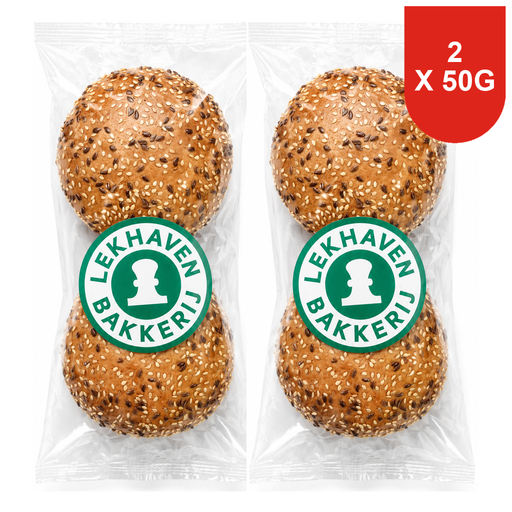 Image unavailable
For anyone who wants to serve individual rolls with a seed topping; these are brioche rolls, not Kaiser rolls. Check the latest allergen information and preparation instructions on the pack.
 Image unavailable
For a brunch where multigrain baguettes work better than small Kaiser rolls. Check which seeds are listed and follow the baking instructions on the pack.
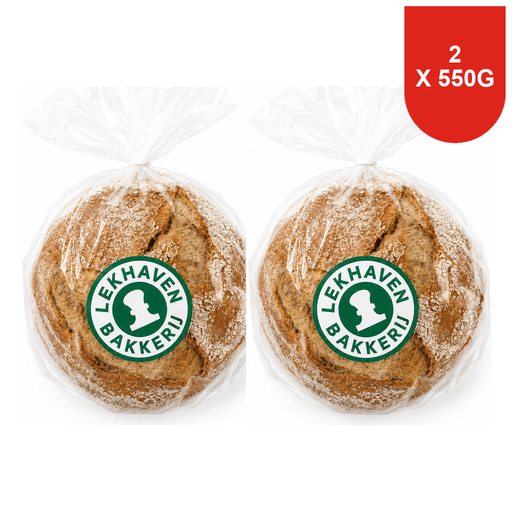 Image unavailable
For anyone who wants to slice and share round multigrain bread at the brunch table instead of serving individual Kaiser rolls. Check the ingredients and baking instructions on the pack.
No, you need to compare the fibre content of each product. Jumbo lists 5,5 g of fibre per 100 g for its Meergranenbroodjes, Albert Heijn lists 7,1 g per 100 g for its wholemeal Kaiser roll, and PLUS lists 2,92 g per 100 g for its white Kaiser rolls. Having seeds in the name doesn’t, by itself, indicate a set fibre content.
Check the latest ingredients and allergen information for every roll. Jumbo Meergranenbroodjes list sesame and gluten-containing cereals, among other things; a wholemeal Kaiser roll isn’t automatically gluten-free. Also check for ingredients that a product may contain.
No. The Voedingscentrum says that bakers aren’t required to use baker’s salt. Check the label to see whether ‘baker’s salt’ or ‘iodised salt’ is listed in the ingredients for your chosen bread.
Plan the baking around serving time and follow the instructions for your chosen product. Albert Heijn recommends 6–8 minutes in an oven at 220 °C or 5–6 minutes in a preheated air fryer at 200 °C for its Kaiser rolls. Bear in mind how many rolls will fit in the appliance at once.