Which option suits you?

For a traditional treat when visiting a new baby

If the treat needs to be instantly recognisable as rusks with muisjes, the focus is on a dry, crisp base. Stichting Ambachtelijke Bakkerij describes rusks as a very dry type of bread; a bread roll creates a different presentation.

If you’d rather serve a wholemeal roll

You’re looking for a roll where wholemeal flour matters more than the traditional rusk presentation. Albert Heijn, for example, lists a wholemeal Kaiser roll; check whether each product also contains seeds.

If you need to check ingredients or allergens

If one of your guests has a specific dietary requirement relating to ingredients or allergens, checking the chosen roll takes priority over its shape and presentation. Check the current packaging or ask for allergen information if buying an unpackaged roll.

What should you look for when choosing?

Rusks

Choose these when: the familiar, dry base of rusks with muisjes is your priority.

The trade-off: rusks won’t meet a preference for a wholemeal roll or particular seeds.

Wholemeal Kaiser roll

Choose this when: you want to serve a small roll and wholemeal flour matters more to you than the traditional rusk shape.

The trade-off: a wholemeal Kaiser roll isn’t a rusk and won’t necessarily contain seeds.

Seeded roll

Choose this when: seeds and kernels matter more to you than the exact shape of a Kaiser roll.

The trade-off: a multiseed pistolet or wholemeal roll is a different type of bread; check which seeds the product contains.

What to consider What to check before buying Who it matters to
Traditional presentation Decide whether you want to serve rusks or deliberately choose a roll; if you opt for a roll, consider its shape for adding toppings. If I want to serve rusks with muisjes in the way guests recognise, the familiar base matters most. For around 25% of consumers, that presentation comes first.
Wholemeal and fibre Look for the wholemeal label; compare the stated fibre per 100 g of the products you’re considering. I’d rather have a wholemeal roll than the traditional rusk base, even if it doesn’t have seeds. Around 25% of consumers say they prioritise wholemeal.
Seeds and kernels Check which seeds are listed in the ingredients and whether the type of bread suits your presentation. Seeds on or in the roll are why I’d choose something other than rusks; a pistolet or round roll is also an option. This is the priority for around 25% of consumers.
Ingredients and allergens Read the current label or ask for allergen information if buying an unpackaged roll. If one of my guests needs to avoid certain ingredients, I want to know exactly what’s in that particular roll before serving it. For around 25% of consumers, checking this is their top priority.

Common mistakes

  • Assuming seeds mean wholemeal

    A roll can contain seeds without being wholemeal. The Voedingscentrum explains that the wholemeal label refers to the flour used.

    Look for the wholemeal label if that’s your priority; check the ingredients separately if you want particular seeds.

  • Calling every multiseed roll a Kaiser roll

    A multiseed pistolet or wholemeal roll won’t necessarily have the same shape as a Kaiser roll. This matters if you want to add toppings and serve the treat in a particular way.

    Check the product type, and only choose a different bread shape if it works for your presentation.

  • Guessing allergens from the name or picture

    A product name doesn’t give you a complete list of ingredients and allergens. According to the Netherlands Food and Consumer Product Safety Authority, allergen information must also be available for unpackaged foods.

    Read the current label or ask in store for information about the roll you’re buying.

  • Assuming every roll contains bakers’ salt

    The Voedingscentrum states that bakers’ salt contains more iodine than ordinary table salt. You can’t tell from the type of bread alone which salt was used in a particular product.

    If this affects your choice, check the ingredients list for bakers’ salt.

Shops to consider

Albert Heijn

Albert Heijn lists a wholemeal Kaiser roll, as well as other types of seeded bread.

  • According to Albert Heijn’s product information, the AH Kaiserbroodje volkoren is a wholemeal wheat roll with 7,1 g of fibre per 100 g.
  • The multiseed sourdough pistolet listed is not a Kaiser roll. Check the packaging for current ingredients and allergen information.

Jumbo

Jumbo’s bake-at-home range includes wholemeal Kaiser rolls and multiseed alternatives.

  • Jumbo’s Kaiserbroodjes Wit product page lists wheat and gluten-containing cereals; this helps distinguish the white product from a seeded option.
  • A multiseed pistolet is a different type of bread. Check the ingredients, allergens and baking instructions for the product you choose.

Lidl

Lidl lists a white Kaiser roll and a wholemeal roll with seeds and kernels separately.

  • The wholemeal roll is another bread shape to consider if seeds and kernels matter more to you than the Kaiser shape.
  • The white Kaiser roll described is not that wholemeal roll; check in store which product and information are available.

Bread alternatives at Joybuy

These products include baguettes, round loaves and brioche rolls for anyone considering a different type of bread from rusks or a Kaiser roll to serve with muisjes. Consider the serving size and, if you prefer particular seeds, check the ingredients of the product you choose.
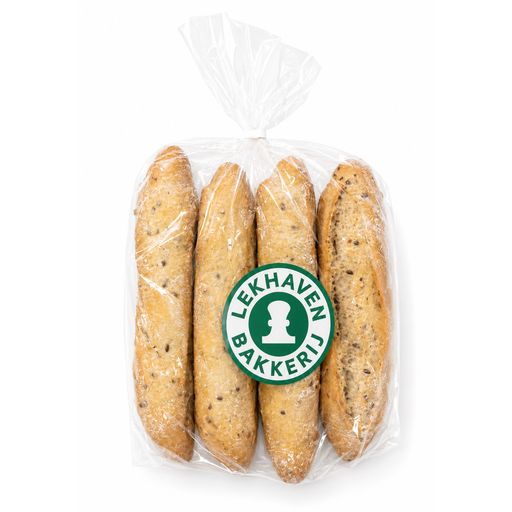
Lekhaven Bakkerij Multigrain Rustic Baguette, 4 × 135 g

Lekhaven Bakkerij Multigrain Rustic Baguette, 4 × 135 g

An option if you want to serve individual baguettes and don’t need the Kaiser shape.

  • Four 135 g baguettes, according to the product name.
  • Check the packaging for ingredients, allergens and baking instructions.
View at Joybuy
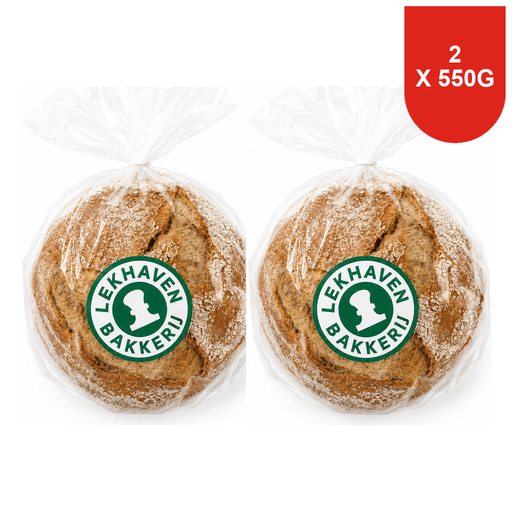
Lekhaven Bakkerij Multigrain Country Bread Round, 2 × 550 g

Lekhaven Bakkerij Multigrain Country Bread Round, 2 × 550 g

A round loaf is a different serving option, particularly if you want to cut your own pieces or slices to serve with muisjes.

  • Two 550 g round loaves, according to the product name.
  • Check the ingredients, allergens and baking instructions before serving the bread.
View at Joybuy
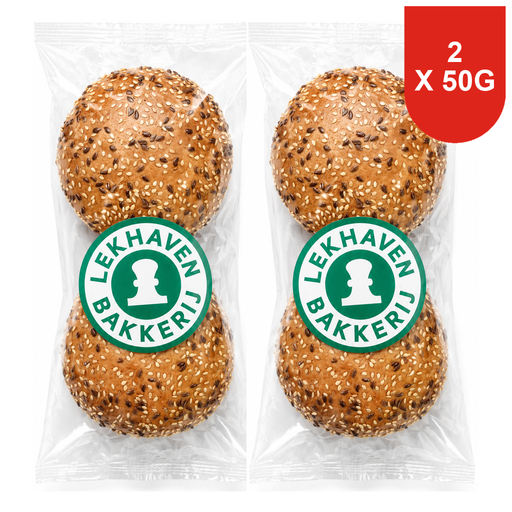
Lekhaven Bakkerij Brioche Roll 50 Sesame/Flaxseed Deco, 2 × 50 g

Lekhaven Bakkerij Brioche Roll 50 Sesame/Flaxseed Deco, 2 × 50 g

This brioche roll is only suitable if you want to serve a different type of bread from rusks or a Kaiser roll.

  • Two 50 g rolls; the product name states that they are decorated with sesame and linseed.
  • Check the current ingredients and allergens, especially if sesame is a concern.
View at Joybuy

Frequently asked questions

Is a seeded Kaiser roll the same as rusks with muisjes?

No, a Kaiser roll provides a different base from rusks. Stichting Ambachtelijke Bakkerij describes rusks as a very dry type of bread; choose rusks if that traditional shape matters for your new-baby treat.

Is a multigrain roll automatically wholemeal?

No, the term multigrain on its own doesn’t confirm that a roll is wholemeal. The Voedingscentrum links the wholemeal label to flour that is entirely wholemeal, so check the product name and ingredients of the roll.

Does every Kaiser roll contain iodine-rich bakers’ salt?

Don’t assume this is the case for every individual roll. The Voedingscentrum explains that bakers’ salt contains more iodine than ordinary table salt; check the ingredients list if the type of salt used matters to your choice.

How can I check allergens in a roll sold loose?

Ask in store for the allergen information for that particular roll. According to the Netherlands Food and Consumer Product Safety Authority, consumers must be able to access allergen information for unpackaged foods.

Do I need to prepare bake-at-home Kaiser rolls before visitors arrive?

Yes. If you choose bake-at-home rolls, allow time to prepare them before serving, following the instructions on your packaging. For example, Albert Heijn recommends baking its AH Kaiserbroodjes for 6–8 minutes in the oven at 220 °C or for 5–6 minutes in a preheated air fryer at 200 °C; don’t assume these timings apply to another variety.
