
Snack planners looking for seeds
You want a seeded texture for filled rolls or a snack board, but you also want to know which seeds are actually in the roll.


If you want a seeded roll for an autumn half-term snack, check the ingredients: a multiseed roll isn’t automatically a Kaiser roll or a wholemeal one. If wholemeal flour is more important, look for a Kaiser roll specifically labelled wholemeal and compare the fibre per 100 g. If you need a gluten-free option or have a food allergy, the current product and allergen information is what matters most. For snacks you’re planning ahead, check the storage and preparation instructions too.
You want a seeded texture for filled rolls or a snack board, but you also want to know which seeds are actually in the roll.
You’re looking for a roll labelled wholemeal, with the fibre content per 100 g clearly stated, rather than relying on its multiseed appearance.
For you, the current ingredients and allergen warnings matter more than the product name or a picture of the roll.
First decide whether the Kaiser shape, seeds or wholemeal flour matters most for your snack. A seeded alternative might be a different type of roll, so check the allergens next and make sure the storage and preparation instructions suit your plans.
| What to consider | What to check | Who is this important to? |
|---|---|---|
| Seeds and texture | Look for the seeds you want in the ingredients list and check that the product really is a Kaiser roll. | I want seeds in my snack roll, even if that means choosing a different shape. For around 36% of shoppers, that seeded texture comes first. |
| Wholemeal flour and fibre | Check that the product is labelled wholemeal and compare fibre figures on the same basis, such as per 100 g. | If I’m mainly looking for a wholemeal roll, I don’t let seeds on the crust sway me. For around 29% of shoppers, wholemeal flour is the top priority. |
| Allergens and gluten-free options | Read the current ingredients, allergen information and warnings such as ‘may contain’; check that any gluten-free claim applies to the specific product. | I need to know which allergens are listed for the roll before I consider its shape or texture. This comes first for around 21% of shoppers. |
| Storage and preparation | Check that the storage instructions fit your snack plans and follow the product’s preparation and defrosting instructions. | I want to plan rolls for several days of the holidays without defrosting more than I need. For around 14% of shoppers, this planning matters most. |
Seeds don’t tell you whether the grain base is wholemeal. A roll can have the texture you want without meeting your wholemeal preference.
Check the wholemeal label separately from the seeds in the ingredients list, and compare fibre figures on the same nutritional basis.
A picture won’t tell you which allergens are present or which possible-presence warnings appear on the packaging. For example, Jumbo says its frozen wholemeal Kaiser roll may contain sesame.
For every purchase, read the current ingredients and check the ‘contains’ and ‘may contain’ statements.
According to the Netherlands Nutrition Centre, using baker’s salt in bread isn’t compulsory. The name of the bread therefore won’t tell you whether it has been used.
For packaged bread, check the ingredients list for baker’s salt. For unpackaged bread, ask the bakery.
Jumbo says not to refreeze its frozen wholemeal Kaiser rolls after defrosting.
Defrost only as many as you need for your snack and follow the storage advice on the packaging.
With this product, you can’t put unused defrosted rolls back in the freezer for another time.
The range includes an AH wholemeal Kaiser roll and Schär Kaiser Brötchen, a gluten-free roll that you finish baking at home.
Jumbo offers frozen wholemeal Kaiser rolls alongside other bake-at-home rolls, including multiseed and multigrain varieties.
Lidl Netherlands offers a Kaiser roll and, as a separate product, a wholemeal roll with seeds and kernels in its fresh-from-the-oven range.
These products are alternatives for bread-based snacks if you’d also like to consider seeds. They’re brioche rolls, baguettes and round loaves, not Kaiser rolls. Check each product to make sure the ingredients and shape suit your plans.
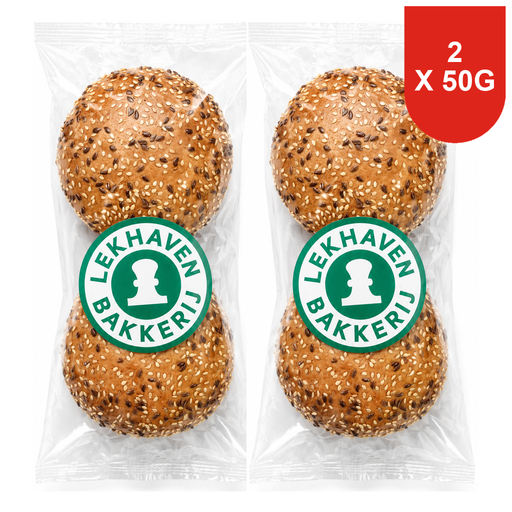 Image unavailable
If you’re after individual snack portions, you could try these two 50 g brioche rolls. The product name mentions sesame and linseed; they aren’t Kaiser rolls. Check the current packaging for ingredients and allergen information.
 Image unavailable
For individual bread snacks across several mealtimes, this pack contains four 135 g baguettes. They aren’t Kaiser rolls, so check the packaging to see which seeds they contain, which allergens are listed and how to prepare them.
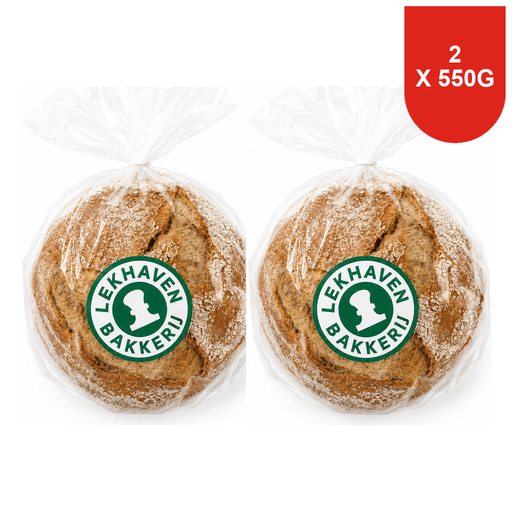 Image unavailable
If you’d like to slice your own bread for different snack times, you could consider these two 550 g round loaves. They aren’t Kaiser rolls; check the ingredients for the seeds you want and follow the storage and preparation advice on the packaging.
No. Seeds and the grain base of the bread are two different things. If you’re looking for a wholemeal roll, check the wholemeal label and then read the ingredients list to see which seeds it contains.
No. Albert Heijn describes Schär Kaiser Brötchen as a gluten-free roll to finish baking at home, but the product information also lists soya and a possible presence of mustard. So be sure to read the full, current allergen information.
Read both the ingredients and any warnings about possible presence on the current packaging. Jumbo lists cereals containing gluten for its frozen wholemeal Kaiser roll and says it may contain sesame. The bread’s name or a product picture isn’t enough to check this.
Not for the frozen wholemeal Kaiser rolls that Jumbo says shouldn’t be refrozen after defrosting. For other products, check their own storage advice and defrost only what you need.
No. According to the Netherlands Nutrition Centre, bread doesn’t have to be made with baker’s salt. For packaged rolls, check the label; for unpackaged bread, ask which type of salt has been used.