
Soup lovers looking for seeds
If you want a roll with visible seeds or kernels to go with your split pea soup, also consider seeded baguettes and other types of bread. It doesn’t have to be a classic kaiser roll.


If you want seeds in the bread you serve with split pea soup, a seeded roll or baguette is an option if you don’t need the classic kaiser shape. If you’d rather have a plain roll that you can bake off quickly, a white kaiser roll fits the bill, as long as seeds aren’t a must. Compare fibre per 100 g separately, and always check the current label if you have allergies: seeded doesn’t automatically mean wholemeal or allergen-free.
If you want a roll with visible seeds or kernels to go with your split pea soup, also consider seeded baguettes and other types of bread. It doesn’t have to be a classic kaiser roll.
If fibre content is what determines your choice, compare the nutritional information per 100 g. Also check separately whether the bread is labelled as wholemeal.
If you have an allergy or another reason to avoid certain ingredients, the name and seeds on a roll aren’t enough. Check the current allergen information for the specific product.
First decide whether the shape of the bread or the presence of seeds matters most. Then check fibre, preparation and allergens on the label of the bread you want to buy.
| What to consider | What to check when buying | Who it matters to |
|---|---|---|
| Seeds and bread shape | Check which seeds are listed in the ingredients and whether you’re buying a roll, baguette or whole loaf. | I want bread with visible seeds to go with my split pea soup, even if it isn’t a kaiser roll. Around 29% of consumers say seeds and texture are their priority. |
| Fibre and wholemeal | Compare fibre per 100 g and check whether the bread is labelled wholemeal; the word ‘seeded’ alone doesn’t tell you enough. | What matters most to me is how much fibre the bread contains, not what the crust looks like. Fibre is the priority for around 36% of consumers. |
| Preparation | Check whether the bread needs defrosting or baking, and follow the time and temperature on the packaging. | When the soup is nearly ready, I want to know how much more preparation the bread needs. This practical consideration matters most to around 21% of consumers. |
| Allergens | Read the current ingredients and allergen information; if the bread is loose, ask for allergen information. | Before buying, I need to be able to check whether the specific bread contains ingredients I avoid. This is the main concern for around 14% of consumers. |
A roll can contain seeds without being wholemeal. If fibre is your main criterion, the word ‘seeded’ on its own tells you little about the nutritional value.
Check the product description, ingredients and fibre content per 100 g.
According to the Voedingscentrum, using baker’s salt in bread isn’t compulsory. So you can’t tell whether it contains iodine from the shape of the bread.
If it matters to your choice, check the label to see whether baker’s salt or iodised salt is listed in the ingredients.
The seeded products described by Jumbo and Albert Heijn contain wheat; sesame is also relevant to the allergen information for both products. So a roll containing seeds isn’t automatically suitable for everyone.
Check the current packaging every time you buy. If the bread is loose, ask what allergen information is available before buying.
Jumbo sells both kaiser rolls and other bake-at-home rolls. The Pistolet Meerzaden is an alternative if seeds matter more to you than the kaiser shape.
Albert Heijn’s product information highlights the difference between a white kaiser roll to serve with soup and a seeded roll.
PLUS Kaiserbroodjes wit are an option if you’re mainly looking for a standard bake-at-home roll to serve with split pea soup.
Lidl describes standard kaiser rolls for baking at home.
These products are options if you’re considering bread with the seeds listed or a multigrain style to serve with split pea soup. They are baguettes, a whole loaf or other types of roll, not products described as classic kaiser rolls.
 Image unavailable
A baguette for anyone who wants to serve bread with soup without sticking to kaiser rolls. Allow time to defrost it before baking, and check the current allergen information.
 Image unavailable
A whole loaf for anyone who’d rather slice their own bread to serve with split pea soup than put out individual kaiser rolls. Allow time to defrost it, and check the baking instructions on the packaging.
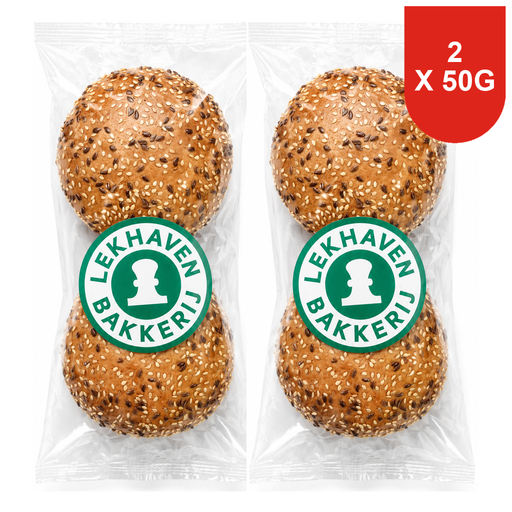 Image unavailable
A roll option if sesame and linseed as decoration suit your needs; brioche isn’t a classic kaiser roll. Before buying, check the allergens and the instructions for defrosting or preparation.
 Image unavailable
Multigrain rolls for anyone who wants individual rolls with their soup but doesn’t necessarily need the kaiser shape. Check how to prepare them, and only compare fibre when the nutritional information is given on the same basis.
No, you can’t tell from the name alone. Compare the nutritional information per 100 g for the specific products. According to Jumbo’s product information, the Pistolet Meerzaden contains 5,76 g of fibre per 100 g; Albert Heijn lists 5,1 g for the seeded roll described and 2,9 g for AH Kaiserbroodjes. Seeded also doesn’t mean the same as wholemeal.
Pay particular attention to any allergens that are relevant to you on the packaging of the roll you choose. The seeded products described by Jumbo and Albert Heijn contain wheat, and their allergen information also mentions sesame. According to the Netherlands Food and Consumer Product Safety Authority, allergen information must also be available for unpackaged foods; ask for it before buying.
No. According to the Voedingscentrum, baker’s salt isn’t compulsory in bread. Check the ingredients list for the specific roll to see whether baker’s salt or iodised salt is listed, rather than assuming from the name ‘kaiser roll’.