
当日/次日达

品质保障

开启新人专享福利: 全场免邮 | 低至 2 折 | 免费试用 30 天 JoyPlus 会员
下载 Joybuy
Korean skincare is known for elaborate routines, standout ingredients and lightweight textures. But more steps aren’t automatically better for your skin or your wallet. When searching for K-beauty skincare products, you’ll soon come across terms such as “glow”, “barrier care” and “clinically proven”. The practical question is: what exactly does the label say, is the product right for your skin type, and are you using it correctly?
A product containing dozens of extracts may sound interesting, but that tells you little without the full ingredients list, concentrations and instructions for use. Focus on the ingredients relevant to your needs. For hydration, for example, glycerine, panthenol, ceramides and hyaluronic acid are worth looking out for. For blemish-prone skin, salicylic acid or azelaic acid may be relevant, but these ingredients should be introduced gradually.
An azelaic acid serum, vitamin C serum, exfoliating toner and salicylic acid cleanser in the same routine may be too much for your skin. Start with one new product and give your skin time to get used to it. Stop using it if you experience persistent redness, itching or a burning sensation, and consult a healthcare professional if you have any concerns.
Serums for dark spots, dull skin or signs of ageing are less useful if you don’t use sun protection during the day. According to product information, products containing acids such as AHA, LHA or PHA may increase sensitivity to sunlight. So use a suitable sunscreen during the day and follow the instructions on the packaging.
Decide whether you’re mainly looking for hydrating skincare, skincare for sensitive skin, skincare for acne-prone skin or skincare for dark spots. A product can serve several purposes, but setting a clear priority helps you avoid buying more than you need.
An azelaic acid serum 10% will generally need to be introduced more gradually than a simple moisturiser. According to the product information, the ANUA formula recommends starting with one to two applications a week. The SKIN1004 Azelaic Acid 10% Ampoule is niacinamide-free, which may be useful for shoppers who prefer to avoid niacinamide.
With a hyaluronic acid serum, the name isn’t the only thing that matters. Look at the other hydrating ingredients, the texture and whether you’ll apply a cream over it. Hyaluronic acid binds moisture to the skin’s surface; a moisturiser can help the comfortable feeling last longer.
Compare the volume in millilitres, not just the selling price. A 30 ml serum and a 100 ml ampoule aren’t directly comparable. Check the expiry date, the period after opening and the batch information on the packaging. The official packaging is the final authority if online information or ingredients lists may be out of date.
A good basic routine often includes:
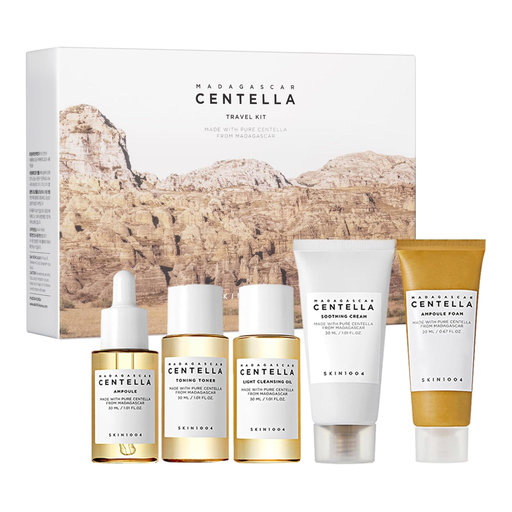
Why it suits this profile: The set includes five steps: cleansing oil, foam cleanser, toner, ampoule and cream. It’s a practical way to try Korean skincare in smaller quantities.
You don’t have to buy individual full-size products straight away. However, check the full INCI list on the packaging first, especially if you have sensitive skin.
450 ml in total, five individual products and a routine order listed in the product information.
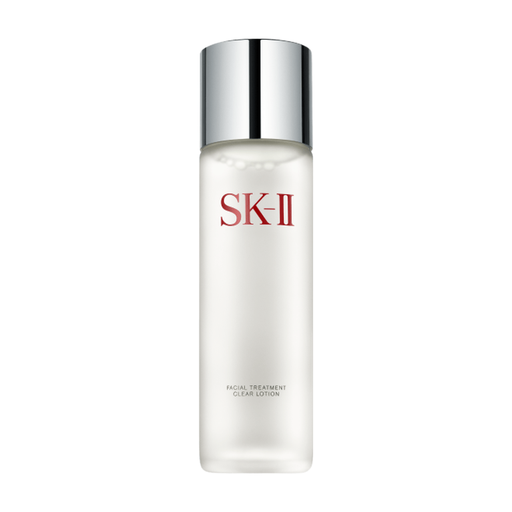
Why it suits this profile: This essence is designed for anyone looking for a compact, luxurious step in a routine focused on dryness, dullness and uneven texture.
The size and product type are clear: 30 ml Facial Treatment Essence. Claims about PITERA and clinical results come from the brand’s product information and shouldn’t be taken as a guarantee.
According to the product description, the formula contains more than 90% PITERA; the ingredients list names Galactomyces Ferment Filtrate as the main ingredient.
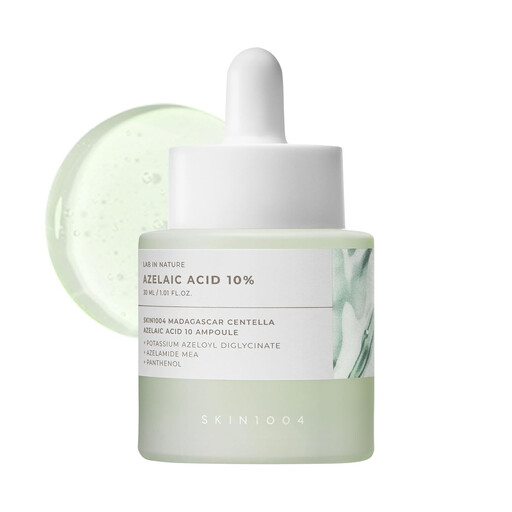
Why it suits this profile: A good choice if you’re looking for a targeted serum for blemish-prone skin, visible redness or an uneven complexion, and want to build your routine carefully.
The product instructions recommend starting with use every other day. This helps you avoid combining several active ingredients straight away.
10% azelaic acid, centella asiatica and a niacinamide-free formula; 30 ml capacity.
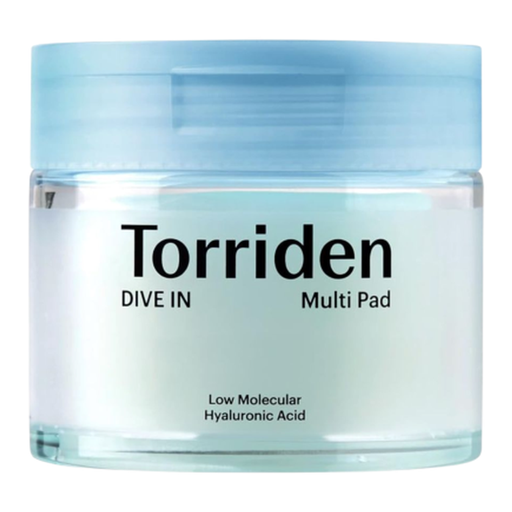
Why it suits this profile: A handy option if you want to add hydration easily after cleansing, without having to measure out several liquid serums.
The packaging states that there are 80 pads and they can be used on both sides. Use the textured side gently and avoid the eye and lip area.
5D complex with hyaluronic acid, allantoin and 80 pads per pack, according to the product description.
We’ve put together a complete, up-to-date list of products that meet these strict selection criteria and current European safety regulations.
Start with a facial cleanser, a moisturiser and sun protection during the day. Then add one toner, centella ampoule or facial serum. Test new products on a small area of skin first and introduce active ingredients gradually.
It depends on the size and how much you use. A 30 ml bottle will usually last longer with daily use than if you apply it generously. Use the recommended amount, close the packaging properly and check the shelf-life information on the label.
It depends on the formula and the person. Check for fragrance, essential oils, acids and known allergens. A lightweight cleansing oil, simple centella ampoule or hydrating serum may work for you, but “suitable for sensitive skin” remains a claim made by the brand. Always do a patch test and stop using the product if irritation occurs.
