
Vandaag of morgen in huis

Kwaliteit gegarandeerd

Welkomstaanbiedingen ontgrendelen: GRATIS bezorging | Tot 80% korting | Gratis 30 dagen JoyPlus-proefperiode
Download de app
K-beauty skincare is about much more than a toner, serum and sheet mask. Korean skincare is popular for its combination of lightweight textures, targeted ingredients and in-depth routines. But with so much choice, it can be hard to know where to start. Attractive packaging or a promise of “glow” says little about whether a product is right for your skin.
As a Joybuy Product Recommendation Officer, I sort through the key product information to make things practical. Here’s what to look for in Korean skincare, and which products may suit different skin types and occasions.
A routine with a cleanser, toner, essence, several serums, cream and a sheet mask may sound appealing. For many people, though, it’s unnecessarily complicated. Using several active ingredients at once also makes it harder to work out which products feel good on your skin and which might be causing irritation.
It’s better to start with a facial cleanser, moisturiser and, if you like, one serum. Introduce new products one at a time.
Vitamin C serums, niacinamide serums and acne serums are often judged by the percentage of one ingredient they contain. But the overall formula, how often you use it and your skin type are just as important. For example, a product containing several acids or retinal calls for more caution than a simple hydrating formula.
Always check the full ingredients list and safety instructions. If you have sensitive skin, it’s wise to do a patch test first.
Terms such as “glass skin”, “refine pores” or “anti-ageing skincare” often describe a desired appearance, not a guaranteed result. A brand may claim certain benefits based on its own research, but those claims won’t necessarily apply to everyone.
Look for verifiable details such as size, ingredients, recommended duration of use, skin type, packaging and warnings. With cosmetics, stop using a product if you experience persistent redness, itching or a burning sensation, and ask a doctor or pharmacist for advice if needed.
First, decide what you’d like to address:
Ingredients are generally listed in descending order of concentration, but the list doesn’t tell you everything about how the finished product will work. Consider the texture and the other ingredients, too.
A watery facial toner feels different from an essence or gel cream. Oily or combination skin may prefer a lightweight gel, while dry skin may benefit more from a cream containing lipids and ceramides.
Check whether a product is intended for daily or weekly use, or as a short-term treatment. A sheet mask is usually for one-time use. A hydrogel face mask may be left on for longer, but always follow the instructions on the packaging.
Don’t compare the price alone; check the size, too. A set of several smaller products can be a good way to try out a routine. Check the expiry date, batch information and period after opening on the packaging. If your skin is sensitive, take extra care with products containing retinal, acids, fragrance or essential oils.
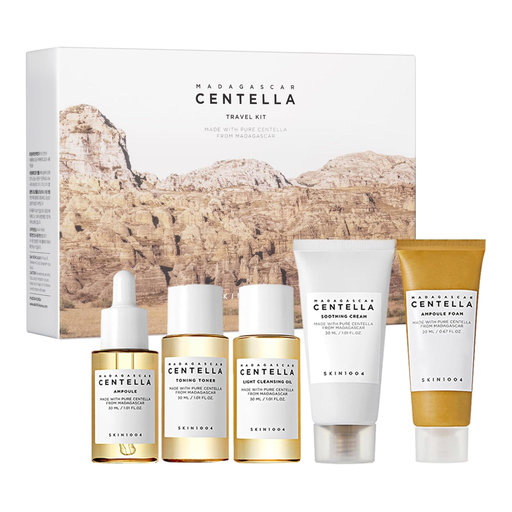
Why it suits this profile: The set contains five steps, including a cleanser, toner, ampoule and cream. It offers a more manageable introduction to Korean skincare than buying several separate full-size products straight away.
You can see in advance which products belong in the same routine. Do check the ingredients, though, as the set includes fragrance in the cleansing oil.
A set of five products with a total size of 450 ml; includes centella asiatica, niacinamide, glycerine and ceramides.
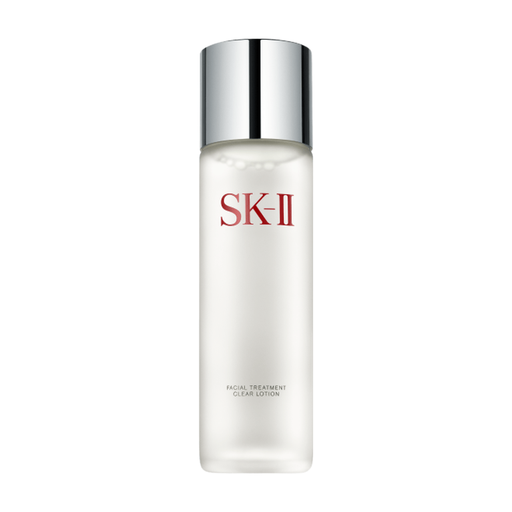
Why it suits this profile: This essence is for anyone looking to add one targeted product to their existing skincare routine, without replacing it with a whole new routine.
At 30 ml, it lets you start with a smaller amount. The product information lists galactomyces ferment filtrate as the main ingredient.
A lightweight essence texture in a compact 30 ml bottle; according to the product information, suitable for normal, dry, combination and oily skin.
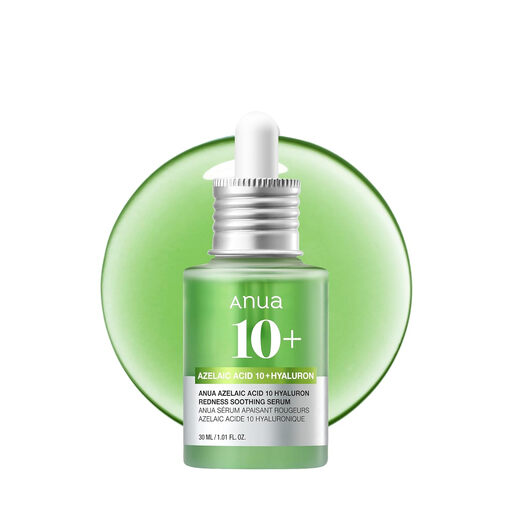
Why it suits this profile: A good option if you’re looking for a serum with a clearly identified active ingredient and are happy to build up how often you use it gradually.
The instructions recommend starting with 1 to 2 applications a week and doing a patch test first. Use sun protection during the day.
Contains 10% azelaic acid, panthenol, glycerine, niacinamide and ceramide NP in a 30 ml bottle.
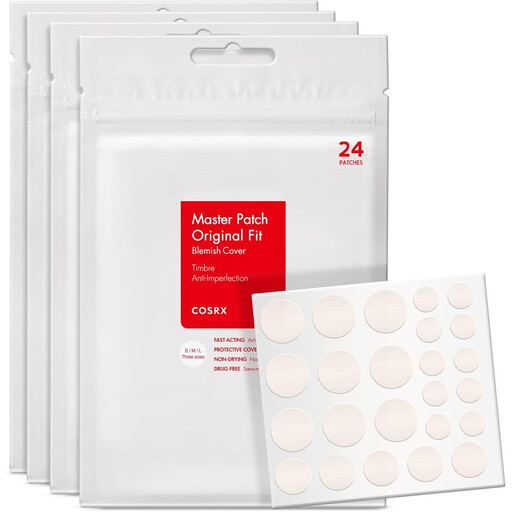
Why it suits this profile: Pimple patches are small, easy to carry and designed for use on clean, dry skin in specific areas.
Apply a patch only to the affected area, rather than adding another active serum all over your face.
24 hydrocolloid patches in three sizes: S, M and L; designed for use on cleansed, dry skin.
We’ve put together a complete, up-to-date list of products that meet these strict selection criteria and current European safety requirements.
Start with a facial cleanser, followed by a facial toner if you like using one, then a serum and moisturiser. Finish with sun protection during the day. Introduce active ingredients such as acids, vitamin C or retinal gradually, and don’t add several new products at once.
It depends on the size, how much you use and how often you use it. A 30 ml serum will generally last longer with daily use than a product applied generously all over the face. Check the expiry information and period-after-opening symbol on the packaging. If the label advises it, store products in a cool, dry place away from direct sunlight.
No. These steps are optional and often serve a similar purpose in a routine. A toner can provide a light layer of hydration, while a serum usually contains a more targeted ingredient. Choose according to your skincare goals and avoid adding unnecessary products to your routine.
