
Vandaag of morgen in huis

Kwaliteit gegarandeerd

Welkomstaanbiedingen ontgrendelen: GRATIS bezorging | Tot 80% korting | Gratis 30 dagen JoyPlus-proefperiode
Download de app
A K-beauty serum can complement a targeted skincare routine, but choosing the right one is not always straightforward. Korean skincare uses many active ingredients, ampoules and different textures. This makes it easy to buy a product that does not suit your skin, your routine or how often you use it.
The product name does not tell the whole story either. For example, a serum for dark spots may combine several ingredients, while a hydrating serum mainly contains humectants and soothing ingredients. So look beyond terms such as “glow”, “pore care” or “anti-ageing”.
An extensive ingredients list does not automatically mean that a serum will suit your skin better. Pay particular attention to the active ingredients and where they appear in the INCI list. Niacinamide, azelaic acid, vitamin C, retinol and retinal each have a different usage profile.
Adding several potent active ingredients at the same time increases the chance of tightness, redness or irritation. It is better to start with one new serum and observe how your skin responds.
Words such as “brightening”, “pore care” and “repairing” often describe how a product is positioned. They are not a personal guarantee. According to a brand’s own research or formulation, certain ingredients may contribute to the claimed effect, but results vary depending on your skin and how you use the product.
Therefore, check the ingredients, directions and warnings. With products containing retinol, retinal, vitamin C or azelaic acid, a patch test is advisable. Stop using the product if irritation persists and, if necessary, seek advice from a doctor or pharmacist.
Some serums are sensitive to light, heat and air. For example, the product information for the Vitamin C23 serum states that it should be refrigerated after opening and preferably used within two months. This is a product-specific instruction and does not automatically apply to every vitamin C serum.
Choose a size that you can finish within the recommended period. A 100 ml bottle may seem good value, but it is less practical if you only use a few drops at a time.
Choose your serum based on your main skincare need:
A higher percentage is not automatically more suitable. According to the product information, Vitamin C23 contains 23% ascorbic acid, while some gentler formulas mainly use vitamin C derivatives. For beginners or sensitive skin, a less concentrated formula may be more practical.
With retinoids, frequency of use is at least as important as the percentage. The SKIN1004 Retinol 0.2 Boosting Shot Ampoule contains retinol and retinal and advises starting with two to three evenings per week. Celimax recommends using its retinal product every other evening for the first two weeks.
A watery ampoule usually works well under a moisturiser, while a gel serum can feel comfortable on oily or combination skin. Also consider:
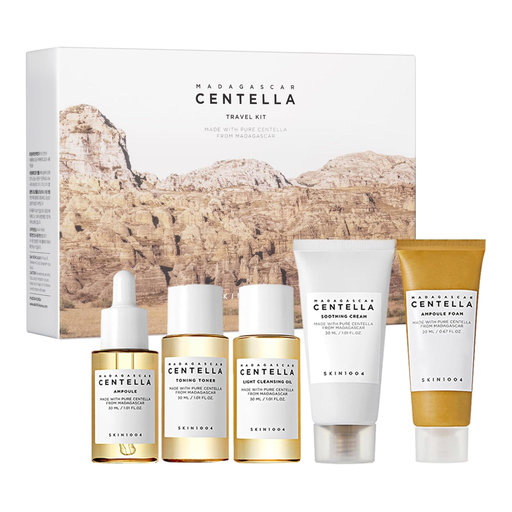
Why it suits this profile: The set contains five steps, including cleanser, toner, ampoule and cream. This makes it a practical introduction to a Centella routine before you buy larger sizes.
You can assess the routine step by step instead of immediately buying several large bottles containing active ingredients. Check the official EU packaging for the current INCI list.
Five products, totalling 450 ml, including Centella Asiatica, glycerine and hyaluronic acid in the listed formulas.
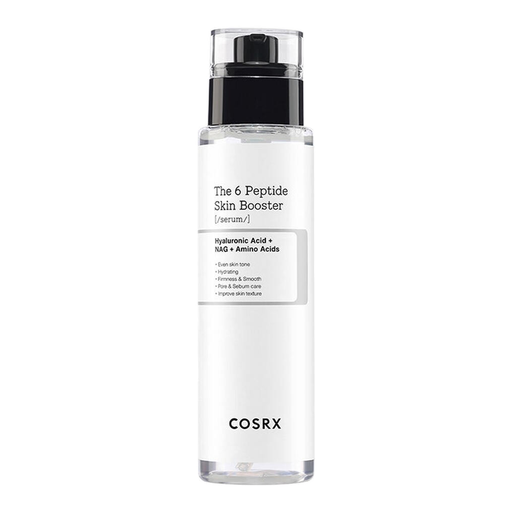
Why it suits this profile: If you are looking for a large size and a versatile daily routine, this lightweight booster texture can be used after toner and before moisturiser.
The product information lists six peptides and recommends using it after toner. This makes it clear where the serum fits into your routine, without combining several potent acids or retinoids.
150 ml contents, described as suitable for all skin types, with glycerine, niacinamide, peptides and sodium hyaluronate.
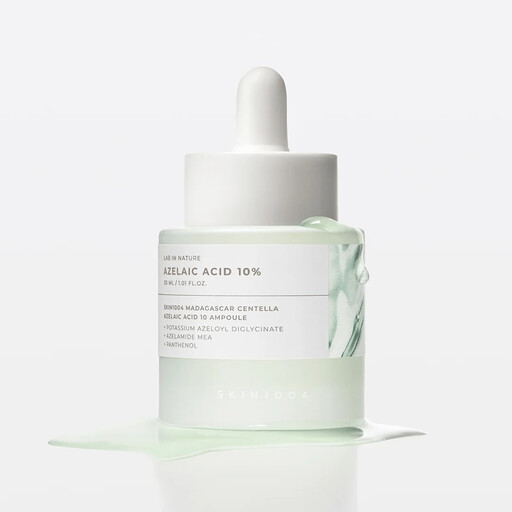
Why it suits this profile: This compact size is suitable for users who want to add an azelaic acid serum to their routine for blemish-prone or uneven-looking skin.
The listed concentration is 10% azelaic acid. The instructions advise starting every other day during the first week and not using it on damaged or irritated skin.
9 ml size, 10% azelaic acid, panthenol, glycerine, hyaluronic acid and Centella Asiatica in the ingredients list.
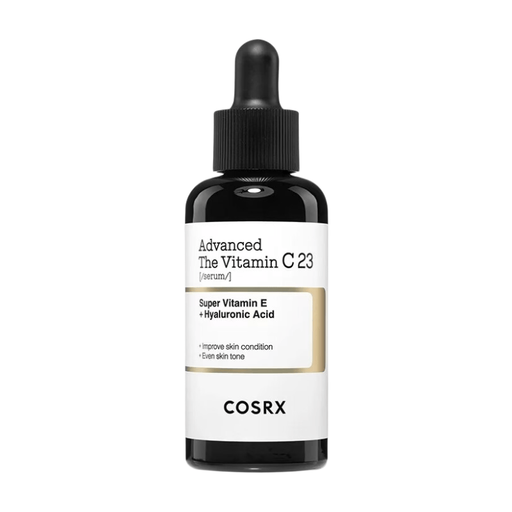
Why it suits this profile: This serum is aimed at users who specifically want a high concentration of vitamin C and are prepared to pay extra attention to storage and product combinations.
The product information clearly states 23% ascorbic acid, a patch test, refrigeration and avoiding retinol at the same time. This helps you plan your routine transparently.
20 ml contents, 23% ascorbic acid, plus panthenol, squalane and sodium hyaluronate according to the listed ingredients.
We have put together a complete, up-to-date list of products that fully meet these strict selection criteria and the applicable European safety regulations.
Do not automatically use a retinol serum, retinal serum or vitamin C serum in the same routine. Follow the product instructions and start with a low frequency of use. During pregnancy or breastfeeding, the product warnings for retinol and retinal products advise consulting a healthcare professional first.
Look for a short, easy-to-understand ingredients list and initially avoid several potent active ingredients. A Centella ampoule with glycerine or panthenol can be a practical option for a simple, hydrating routine. Always check the current packaging, as formulas can change.
This depends on the concentrations and your skin’s tolerance. For a straightforward routine, you could use vitamin C in the morning and retinol in the evening, for example. Do not simply combine several concentrated products. A patch test, gradual introduction and sun protection are important.
This varies depending on the size, dosage and shelf life after opening. A 30 ml bottle can last from several weeks to several months when used daily. Check the symbol and date on the packaging and follow any specific storage instructions, particularly for vitamin C. Stop using a product if its smell, colour or texture changes noticeably.
