
Vandaag of morgen in huis

Kwaliteit gegarandeerd

Welkomstaanbiedingen ontgrendelen: GRATIS bezorging | Tot 80% korting | Gratis 30 dagen JoyPlus-proefperiode
Download de app
A glossy lip tint, liquid blush or Korean make-up can look like an easy choice online. But there can be a big difference between a purchase you love and one you regret. A colour may look different on your skin than it does in a product photo, a liquid formula may set faster than expected, and a long-wearing lip colour can feel uncomfortable on dry lips.
With this practical guide, you can look beyond the latest trends and focus on finish, formula, colour intensity and ease of use.
Screen settings, lighting and skin undertones all affect how a shade looks. A peach shade may look warm on fair skin, while the same colour may be less visible on deeper skin or a cooler undertone. So check the shade description, such as warm rose, coral-orange, fig or lavender pink, rather than relying on the image alone.
A lip tint described as long-lasting can still feel different from one formula to another, and may transfer differently too. A watery tint, glossy lip tint and soft-matte formula each wear differently when you eat and drink. A liquid blush with a long-wearing formula may also set faster than a powder blush.
A little usually goes a long way, especially with liquid blush. Start with one or two dots and blend them out quickly. With a lip tint, you can build the colour from sheer to more intense. This helps prevent the colour from looking too bright or drying unevenly.
First, decide what kind of result you’re after:
Also check whether the shine comes from the formula itself or from visible mica and light-reflecting particles. This gives you a more realistic idea of the final result.
A buildable colour is useful if you want to create several looks with one product. According to the product information, the rom&nd Juicy Lasting Tint range becomes more intense with each layer. With liquid blushes such as JUDYDOLL Soft Fit Liquid Blush, it’s important to blend quickly before the product sets.
Check the applicator and packaging:
Always check the full ingredients list on the packaging. Glycerin, squalane, jojoba oil and vitamin E are mentioned in some product descriptions as nourishing or hydrating ingredients, but the effects can vary from person to person. These ingredients are not a medical treatment.
Don’t use make-up on irritated or damaged skin. Avoid contact with your eyes and stop using the product if irritation occurs. Check the expiry date or period after opening on the packaging, for example the “12M” symbol. The relevant information may vary between batches.
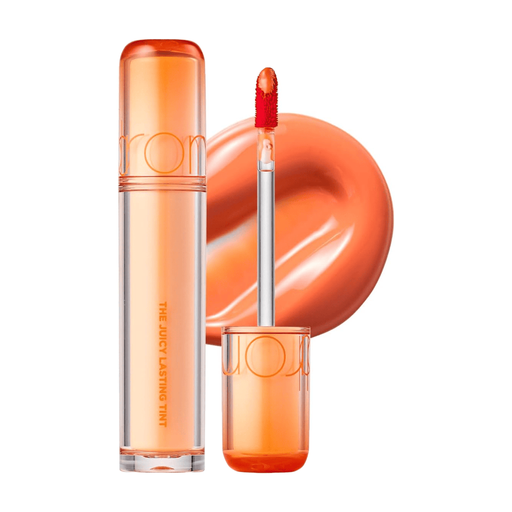
Why it suits this profile: Its lightweight formula and natural, juicy finish make it a good choice if you’re new to K-beauty make-up and don’t want a heavy lip colour.
The buildable coverage helps you avoid starting with a colour that’s too intense.
Shade 24 Bare Juicy; described as a lightweight formula with glycerin and a buildable shine.
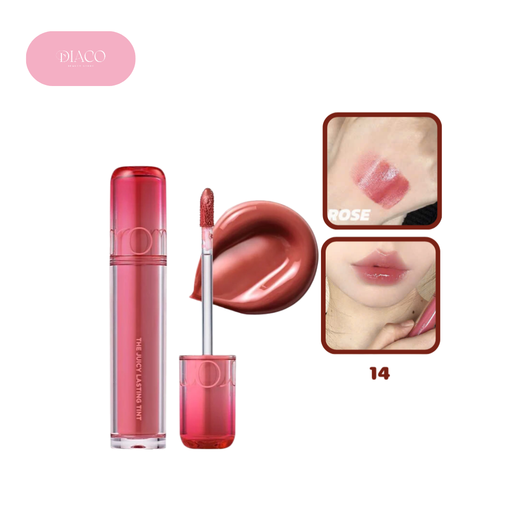
Why it suits this profile: Its warm pink shade and glossy finish work well for everyday wear and a polished evening look.
The formula is described as non-sticky, helping to avoid a heavy or tacky feel.
Warm pink colour; lightweight formula; glossy finish according to the product description.
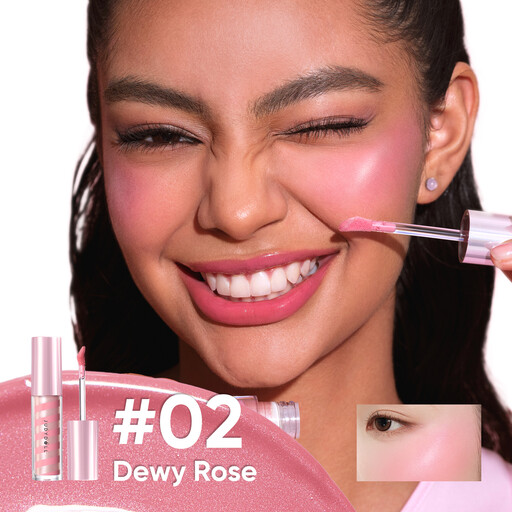
Why it suits this profile: Its liquid texture is designed for a radiant blush look and can be applied with your fingers, a sponge or a brush.
Using a small amount and building up the colour helps you avoid applying too much liquid blush.
Dewy Rose shade; light-reflecting particles; layering guidance and several application methods.
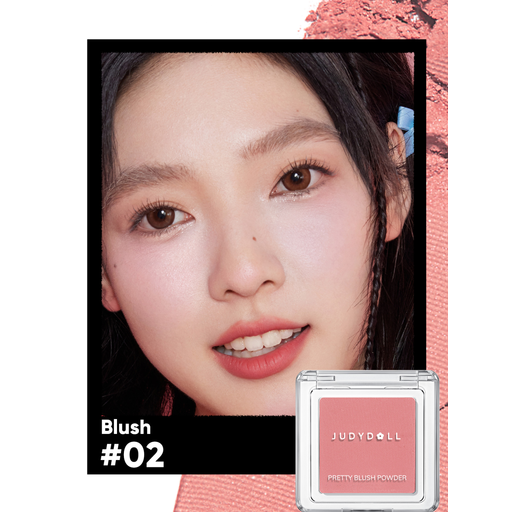
Why it suits this profile: Powder blush is easy to apply in a controlled amount, making it practical if you prefer a classic blush without a liquid texture.
The finely milled, buildable formula makes it easier to start with a light touch.
Finely milled powder; buildable pigmentation; compact with a mirror according to the product description.
We’ve put together a complete, up-to-date list of products that meet these strict selection criteria and current European safety regulations.
Apply a small amount to the centre of your lips and blend the colour outwards. For a more intense or longer-lasting lip colour, add a second layer once the first has dried. Don’t exfoliate too vigorously; dry flakes may become more noticeable under a tint.
Work on one cheek at a time and use one or two dots. Blend by patting rather than rubbing, and build up the colour gradually. Liquid blush may blend differently over a still-damp cream base than over set foundation.
This varies by product and packaging. Check the period-after-opening symbol and follow the instructions on the label. Keep lip tints and blushes tightly closed, away from direct sunlight and out of damp bathrooms.
