
Vandaag of morgen in huis

Kwaliteit gegarandeerd

Welkomstaanbiedingen ontgrendelen: GRATIS bezorging | Tot 80% korting | Gratis 30 dagen JoyPlus-proefperiode
Download de app
A flat battery or a soft tire always happens unexpectedly. A jump starter with a compressor seems like the perfect all-in-one solution to get you back on the road. But the market is flooded with models that promise impressive specifications that often disappoint in practice. Many drivers buy a device that leaves them stranded when they need it most.
As a Joybuy Product Recommendation Officer, I'll help you see through the marketing claims. Before you make a choice, it's crucial to recognize the most common pitfalls that lead to a bad purchase.
portable tire inflator that theoretically reaches 150 PSI but, in reality, takes forever to inflate a car tire. This is due to a low airflow rate (L/min). It might be sufficient for a bicycle tire, but you don't want to wait twenty minutes on the side of the highway.battery booster in the trunk, but after a few months in the cold, the battery is dead right when you need it.To avoid buyer's remorse, it's wise to focus on a few concrete specifications. These determine whether a jump starter with compressor actually does what it promises.
The peak current, expressed in Amperes (A), is the maximum current the car jump starter can deliver for a short burst to start an engine. It's crucial to choose a model that matches your vehicle.
12V jump starter with 4000A or more is recommended. Diesel engines require significantly more starting power, especially in cold weather.Always check the manufacturer's specifications, which list the compatibility for gasoline and diesel engines (expressed in liters).
A compressor is rated on two values: the maximum pressure (PSI or Bar) and the airflow (L/min).
The capacity of the internal battery, expressed in milliampere-hours (mAh), determines how many times you can start a car or charge your phone. A larger capacity doesn't always mean a better jump starter. The quality of the battery cells and the efficiency of the electronics are just as important. Pay attention to:
emergency car charger with USB ports. Check for fast-charging technology (like Quick Charge or Power Delivery) if you also want to charge laptops or modern smartphones.Based on these criteria, we have selected a number of models that suit different user profiles.
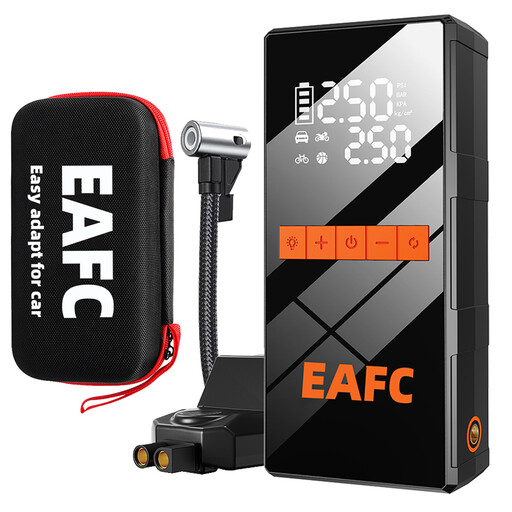
Why This Fits Their Persona: Ideal for drivers of standard passenger cars who need a compact and affordable emergency solution. This model provides the essential features without making you pay for excessive power you don't need for a city car or hatchback.
The 1200A peak current is realistic and sufficient for the specified engines (up to 4.0L gasoline). It focuses on functionality for the most common vehicles rather than on marketing with inflated numbers.
Very compact 4-in-1 design that fits easily in the glove compartment. The compressor with an auto-shutoff feature is practical for emergencies.

Why This Fits Their Persona: Suitable for owners of heavier vehicles like SUVs, RVs, or commercial vans. The high starting power and robust build make this a reliable partner for road trips, camping adventures, or professional use.
The 4500A peak current is specifically aimed at large gasoline and diesel engines. The compressor has 5 preset modes, which reduces the risk of incorrect tire pressure and long waits.
Powerful starting capacity for engines up to 9.0L gasoline / 8.0L diesel. According to the manufacturer, the honeycomb cooling design reduces heat generation by 30%.
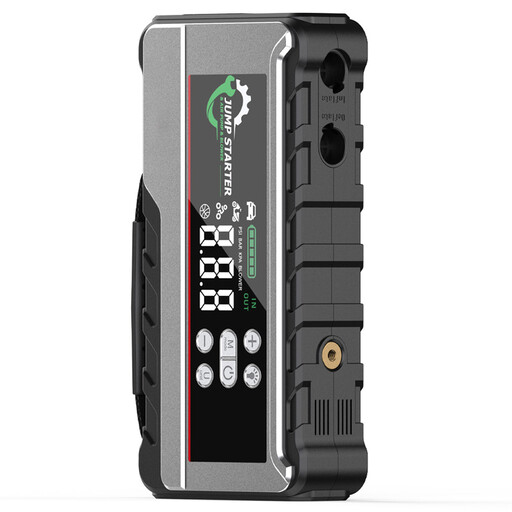
Why This Fits Their Persona: For those who want more than just a car accessory. This device functions as a full-fledged mobile power hub, perfect for charging a laptop, tablet, and phone on the go, thanks to its powerful fast-charging feature.
This model distinguishes itself with a concrete, verifiable premium feature (PD65W fast charging) instead of just focusing on a high peak current. The specifications are clearly aimed at the tech-savvy user.
PD65W fast charging via USB-C, suitable for charging laptops. Includes an extra function as an air blower for inflating and deflating items like air mattresses.
We have compiled a complete, up-to-date list of products that fully meet these strict selection criteria and relevant safety standards.
Most manufacturers recommend fully charging the jump starter every 3 to 4 months, even if you don't use it. This helps maintain the battery's lifespan and ensures the device is ready for use when you need it. Always consult your specific model's manual for the best maintenance advice.
Not necessarily. A higher peak current is only useful if you have a vehicle with a large or heavy-duty engine (especially diesel). For a standard gasoline car, an extremely high peak current is unnecessary and often more expensive. It's more important to choose a model with a peak current that matches your engine size and type.
Yes, most modern jump starters are designed to operate in a wide temperature range, often from -20°C to +60°C (-4°F to 140°F). However, cold can temporarily reduce the battery's performance. It is therefore wise to check the charge status regularly, especially during cold periods. Preferably, store the device in a dry place, such as the glove compartment or trunk.
