
Vandaag of morgen in huis

Kwaliteit gegarandeerd

Welkomstaanbiedingen ontgrendelen: GRATIS bezorging | Tot 80% korting | Gratis 30 dagen JoyPlus-proefperiode
Download de app
A dead battery or a flat tire always happens unexpectedly. Whether you're in a hurry for work or on your way to a holiday destination, car trouble is the last thing you need. A jump starter with a compressor seems like the perfect all-in-one solution. But the market is flooded with models that make big promises but fail to deliver in practice.
As a Joybuy Product Recommendation Officer, I'll help you see through the marketing hype. We'll look at the specifications that truly matter, so you can avoid a bad purchase and choose a reliable companion for the road.
Before you make a choice, it's important to recognise the most common pitfalls. Many devices look impressive on paper but will leave you stranded when you need them most.
To make an informed choice, let's focus on the specs that separate a gadget from a reliable tool.
The starting power determines if the car jump starter can start your engine. Look beyond the advertised peak current and check which engine type the device is suitable for.
Always check the product details for the recommended engine displacement (in liters) to ensure a match.
A maximum pressure of 150 PSI is standard, but this says nothing about speed and ease of use. Pay attention to the following:
A multifunctional jump starter offers more than just a boost. A built-in car power bank with USB ports is practical for charging your phone. An LED light with an SOS function is indispensable for roadside emergencies in the dark. Also, check the operating temperature range (-20°C to +60°C is common) to ensure the device is reliable in both a cold winter and on a hot summer day.
Below is a selection of models tailored to different user profiles, based on their objective specifications.
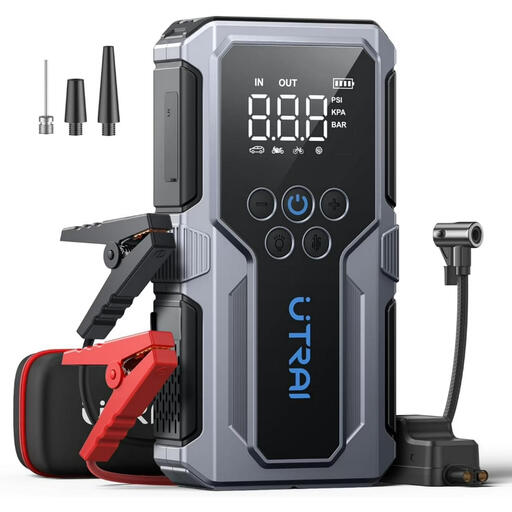
Why This Fits Their Persona: A solid choice for the average driver with a gasoline or compact diesel car. This device offers enough power for most situations without unnecessary extras, and is compact enough to fit in the glove compartment.
This model avoids the 'overkill' trap with a realistic 3000A peak current, suitable for engines up to 8.5L gasoline and 6.5L diesel. The built-in safety features prevent damage from incorrect use.
The combination of a functional 150 PSI compressor with auto-shutoff, a clear LCD screen, and Quick Charge USB ports makes this a very complete car jump starter.
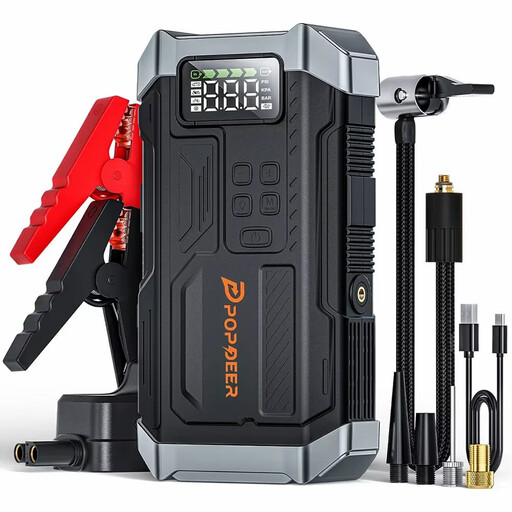
Why This Fits Their Persona: Perfect for owners of an RV, SUV, van, or a car with a heavy-duty diesel engine. This model delivers the serious power needed to start large engines without issue, even at low temperatures.
This isn't an inflated marketing number. The 5000A jump starter is specified for engines up to 10L gasoline and 8L diesel, and it delivers the necessary starting power. The advanced cooling system prevents overheating.
The combination of very high starting power and a fast compressor (35L/min) makes this a powerful and efficient diesel jump starter. The robust build and 10 safety features provide extra peace of mind.
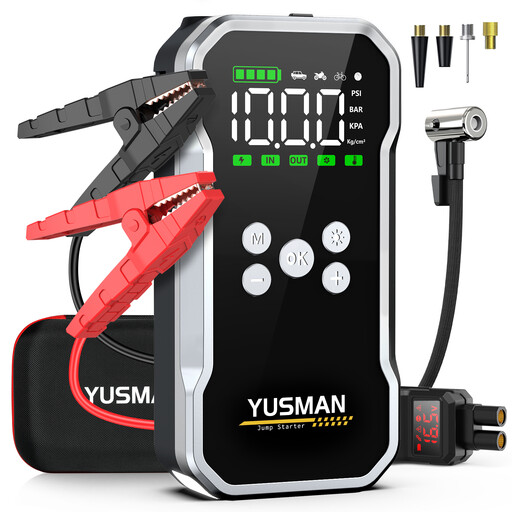
Why This Fits Their Persona: For the camper, road-tripper, or DIY enthusiast who wants to be prepared for anything. This isn't just a jump starter, but a complete emergency kit for the car, including a sturdy storage case.
This model comes as a complete package, including all necessary cables, attachments, and a case. You avoid the hidden costs and hassle of having to buy accessories separately.
An extremely high peak current of 7000A, suitable for virtually all gasoline engines and diesels up to 7L. The combination with a fast compressor (45 L/min) and a complete accessory kit makes this a highly versatile choice.
We have compiled a complete, up-to-date list of products that meet these strict selection criteria and safety regulations.
Even when not in use, the battery slowly loses its charge. It's recommended to fully charge your jump starter every 3 to 6 months. This ensures it's ready for use when you need it and extends the battery's lifespan.
Not necessarily. The most important thing is that the starting power matches your car's engine. An extremely powerful booster is unnecessary and more expensive for a small city car. Conversely, a booster that's too weak won't be able to start a heavy-duty diesel engine. Check the manufacturer's recommendations and tailor your choice to your vehicle.
Most modern jump starters have an operating temperature range suitable for various climates (e.g., -20°C to +60°C). However, it's always wise to check the specifications of the specific model. In the summer, don't leave the device in direct sunlight on the dashboard, as extreme heat can damage the battery.
