
Vandaag of morgen in huis

Kwaliteit gegarandeerd

Welkomstaanbiedingen ontgrendelen: GRATIS bezorging | Tot 80% korting | Gratis 30 dagen JoyPlus-proefperiode
Download de app
A dead battery or a flat tire always happens unexpectedly. Waiting for roadside assistance is often time-consuming and expensive. A jump starter with a compressor seems like the ideal solution: a compact device that can start your car and inflate your tires. But the market is flooded with models that promise a lot but deliver little. Many car owners fall into marketing traps and end up with a device that leaves them stranded.
Before you invest in a jump starter with an air compressor, it's crucial to recognise the common pitfalls. This will help you choose a model that is genuinely reliable when you need it most.
car battery booster that is too weak won't get your engine running.150 PSI tire inflator sounds powerful, but if the compressor takes fifteen minutes to slightly inflate one tire and then overheats, it's useless. The actual performance, such as the air flow in litres per minute, is more important than the maximum pressure.power bank with a jump starter but have low battery capacity or slow USB ports. A device that can barely charge your phone to 50% before it dies itself is more of a burden than a help.To avoid a bad purchase, focus on the specifications that truly matter. These determine whether your portable jump starter is a lifesaver or a piece of useless plastic.
The power of a jump starter is expressed in amperes (A). It's important to know what power your vehicle requires.
jump starter for diesel up to about 8.0L. For a standard petrol car, a model with 1000A to 1500A peak power is often sufficient. Always check the manufacturer's recommendations for your engine type (petrol/diesel and displacement).A built-in compressor is incredibly useful, provided it works well.
The power bank with jump starter is only as good as its battery.
Not all jump starters are created equal. We've selected a few models that suit different user profiles, based on objective specifications.
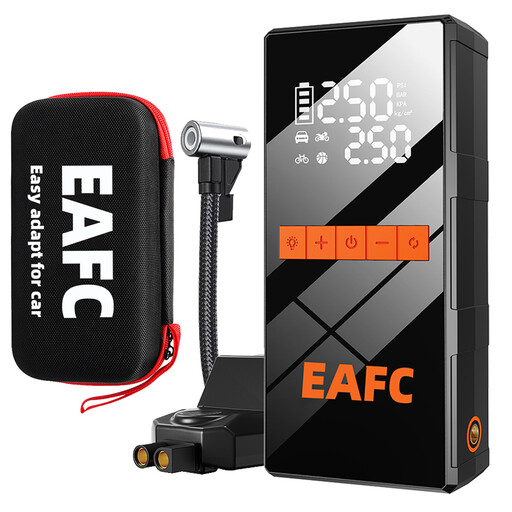
Why This Fits Their Persona: Ideal for the average car owner looking for a reliable 4-in-1 solution for emergencies. Perfect for starting standard petrol and smaller diesel cars and maintaining tire pressure during a road trip.
This model avoids the 'useless compressor' trap by offering a functional 150 PSI pump with an auto-shutoff feature. The starting capacity is clearly specified for engines up to 4.0L petrol, which prevents misleading claims about its power.
Combines four essential functions (jump starter, compressor, power bank, LED light) in a compact and affordable package. Its operation is simple and focused on ease of use in stressful situations.
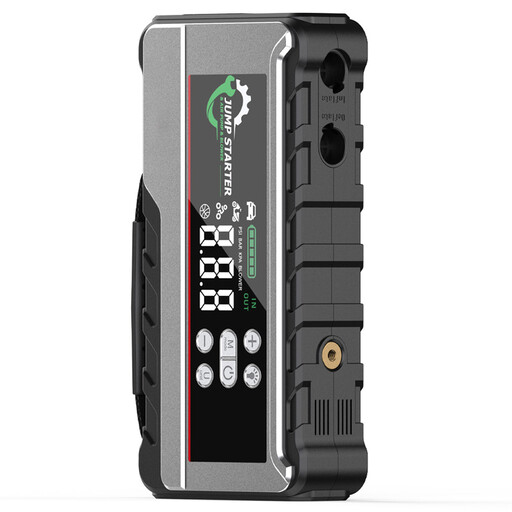
Why This Fits Their Persona: Designed for owners of large cars, SUVs, RVs, or diesel vehicles. Also perfect for the tech-savvy user who wants to charge their laptop on the go and demands maximum performance from their equipment.
This model tackles the 'misleading power' and 'slow power bank' traps. It delivers a powerful 3000A peak current for heavy-duty engines, and its PD65W USB-C port provides genuinely fast charging for laptops, something many cheaper models can't do.
Extremely powerful starting capability combined with a full-fledged fast-charging power bank for laptops. The addition of a blower function for inflating and deflating items like air mattresses makes it a highly versatile device.
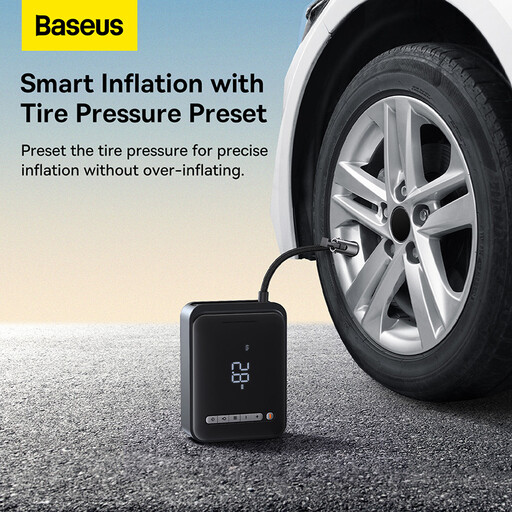
Why This Fits Their Persona: For the driver who wants to be prepared for an emergency but doesn't want a large, heavy device in their car. This model is compact enough for the glove compartment yet still offers the dual functionality of a jump starter and compressor.
Many multifunctional devices are awkwardly large. This model from Baseus avoids that pitfall with a smart and relatively compact design, without sacrificing the two most important functions: starting a car with a dead battery and inflating a tire.
Its unique, integrated design makes it one of the more portable 2-in-1 solutions. The digital display for tire pressure is clear, and the operation is intuitive, even for those who aren't tech-savvy.
We have compiled a complete, up-to-date list of products that fully meet these strict selection criteria and current safety regulations.
Most manufacturers recommend fully charging the jump starter every 3 to 6 months, even if you don't use it. Lithium batteries slowly lose their charge over time. Regular charging ensures the booster is ready for use when you need it and extends the battery's lifespan.
For most standard petrol cars (up to about 4.0L), a 3000A jump starter is not strictly necessary; a model with 1000A-1500A is often sufficient. However, a more powerful model offers more peace of mind, especially in cold weather conditions or if the battery is very low. For large SUVs, vans, or diesel engines, a more powerful model of 2000A or more is recommended.
Yes, most jump starters are designed to operate within a wide temperature range, often from -20°C to +60°C (-4°F to +140°F). However, extreme cold can reduce the performance of the lithium battery. The booster will still work but may deliver slightly less starting power. It's best to store it in a place where the temperature doesn't become too extreme, such as in the glove compartment instead of directly in the sun on the parcel shelf.
