
Vandaag of morgen in huis

Kwaliteit gegarandeerd

Welkomstaanbiedingen ontgrendelen: GRATIS bezorging | Tot 80% korting | Gratis 30 dagen JoyPlus-proefperiode
Download de app
A dead battery always happens unexpectedly and at the worst possible time. Whether it's on a cold morning or in a deserted car park, it's a problem you want to solve quickly. A portable jump starter, also known as a booster pack, seems like the perfect solution. But the market is flooded with models promising the world. Many car owners fall for marketing traps and end up with a device that fails them when they need it most.
As a Joybuy Product Recommendation Officer, I see where things go wrong every day. Before you make a purchase, it's crucial to recognise the common pitfalls that lead to a bad buy.
powerbank 20000mah sounds impressive, but this is often the total capacity of the internal cells. Due to energy loss during conversion, the rated capacity – what you can actually use – is significantly lower. A lack of transparency here leads to disappointing performance.jumpstarter with compressor or advanced LED lights can be handy. But if the core function—starting your car—is subpar, you've bought an expensive gadget instead of a reliable car jump starter.To avoid these traps, it's essential to focus on the specifications that truly matter. These are the objective criteria that determine whether a battery booster will do its job.
Ignore the marketing hype around the highest peak current. Look for specifications that match your engine.
booster pack with a starting current of 1000A or more.An underpowered portable jump starter won't be able to turn over your engine, especially in cold weather when the battery is under the most strain.
The capacity, expressed in milliampere-hours (mAh), determines how many times you can start a car or charge your phone. Pay attention to the rated capacity if it's listed, as that is the actual output. A capacity of 10,000 to 20,000 mAh is a good balance between portability and performance.
Also, look at the charging ports. A car power bank with USB-C PD (Power Delivery) can not only charge your laptop but also recharge the jump starter itself much faster. A QC3.0 (Quick Charge) port is ideal for rapidly charging modern smartphones.
A jump starter handles high currents. Built-in safety features are not a luxury, but a necessity. Check if the model offers protection against:
A sturdy, flame-retardant casing (often designated as V0-grade) and robust clamps are indicators of a durable and safe product.
Based on these objective criteria, we have selected a few models that suit different user profiles.
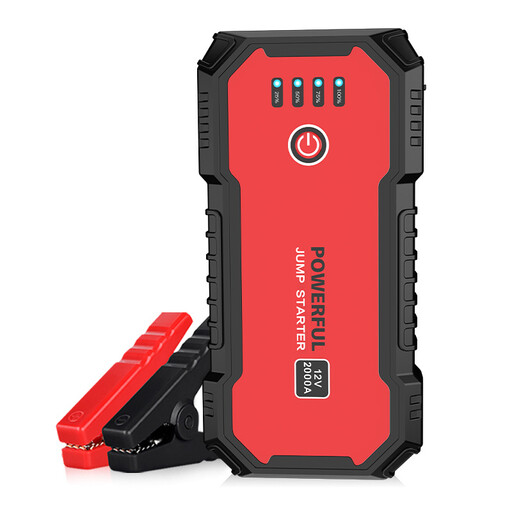
Why This Fits Their Persona: Perfect for those seeking a reliable, compact jump starter for emergencies, without paying for extras they don't necessarily need. It's powerful enough for most petrol and smaller diesel cars.
Focuses on solid starting power (1500A peak) instead of unrealistic claims. The capacity is clearly specified (14000mAh with 10000mAh rated), so you know what you're getting.
Compact and lightweight (430g), it fits easily in the glove compartment. The QC3.0 fast-charging function for your phone is a practical bonus.
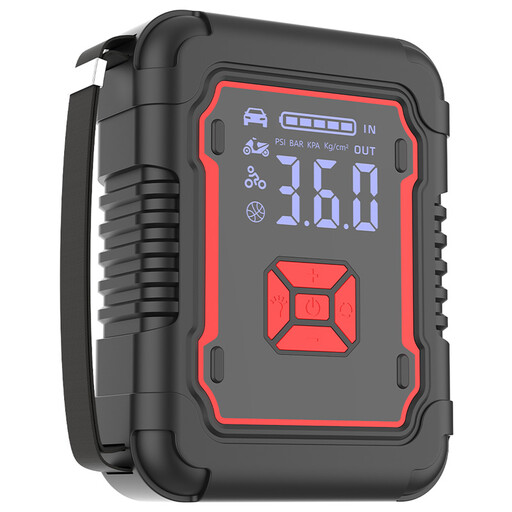
Why This Fits Their Persona: Ideal for those who want a single device for both car trouble and outdoor activities. The built-in compressor is handy for car tyres, bicycles, or air mattresses when camping. A truly multifunctional solution.
This model justifies its extra features. It combines a powerful 3000A jump starter with a functional 150 PSI compressor, so you don't have to buy two separate devices.
All-in-one solution: booster pack, 150 PSI compressor, and a powerbank 20000mah in one compact unit. The auto-stop function on the compressor prevents over-inflation.
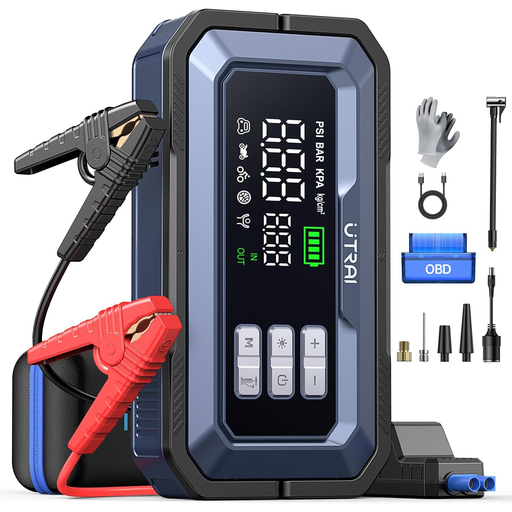
Why This Fits Their Persona: For those who demand the maximum: it starts the heaviest diesel engines, powers 12V equipment, and even reads fault codes with the OBD2 adapter. A complete on-the-go toolkit for the professional or tech enthusiast.
The extremely high 7000A peak current is functional here, intended for vehicles with large engines (up to 14L diesel). The price is justified by unique, professional-grade features.
Extremely powerful and versatile. Includes a 160W DC output (cigarette lighter) for cool boxes or vacuum cleaners and an OBD2 adapter to read engine fault codes.
We have compiled a complete, up-to-date list of products that meet these strict selection criteria and safety standards.
Even when not in use, a jump starter slowly loses its charge. It is advisable to fully charge the jump starter every 3 to 6 months. Check the manual for your specific model for the exact recommendation. A good habit is to check the charge level before the start of winter, as cold can affect battery performance.
Yes, modern jump starters are designed with multiple safety systems. Features like reverse polarity protection, spark-proofing, and short-circuit protection prevent damage to your car's electronics. However, it is crucial to follow the instructions carefully: connect the red clamp to the positive (+) terminal of the battery and the black clamp to the negative (-) terminal or an unpainted metal part of the chassis.
No, not every jump starter is suitable for a diesel engine. Diesel engines have a higher compression ratio and require significantly more power to start than petrol engines. Always check the jump starter's specifications to see if it is explicitly recommended for diesel engines and note the maximum engine displacement (e.g., "suitable for diesel engines up to 6.0L"). An underpowered booster pack will fail to start a diesel engine.
