
Vandaag of morgen in huis

Kwaliteit gegarandeerd

Welkomstaanbiedingen ontgrendelen: GRATIS bezorging | Tot 80% korting | Gratis 30 dagen JoyPlus-proefperiode
Download de app
A dead battery always strikes at the worst possible time. Whether it's on a cold Monday morning or in the supermarket parking lot. A good jump starter, also known as a booster pack, is the solution, giving you the freedom to get back on the road immediately without waiting for roadside assistance.
However, the market is flooded with models that promise the world. As a Joybuy Product Recommendation Officer, I'm here to help you see through the marketing hype. Watch out for these common pitfalls before you make a choice.
jump starter with power bank less impressive than advertised.emergency car starter without protection against reverse polarity, short circuits, or overheating is a risk to both the user and your car's sensitive electronics.To avoid a bad purchase, focus on the specifications that truly matter. These objective criteria will help you find a portable jump starter that fits your vehicle and needs.
Don't be dazzled by the highest number. It's crucial to match the peak amperage to your engine type.
battery booster with a peak of 1000A to 1500A is usually sufficient.The capacity determines not only how many times you can start a car but also how useful the power bank feature is.
A reliable car jump starter must be safe. Check for the presence of 'smart' clamps. These provide built-in protection against:
A clear LCD screen that shows the remaining battery charge and a built-in LED flashlight are practical extras that make a difference in an emergency.
Below is a selection of products, matched to specific user profiles. These aren't "winners," but practical choices based on their specifications and intended use.
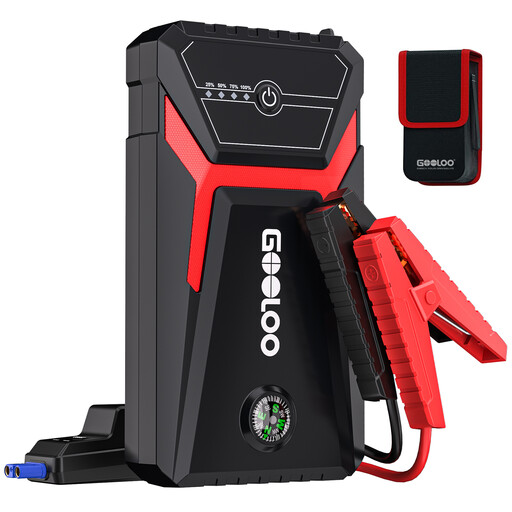
Why it's a match: Ideal for those seeking a reliable, compact, and affordable jump starter for a standard passenger car. It's powerful enough for most gasoline engines (up to 6.0L) and small diesels, and fits easily in the glove compartment.
This model offers realistic specs for its price range and is equipped with 10 safety features, helping you avoid the risks of a basic model (pitfall 3).
A great balance of price, size, and performance for everyday use, including handy USB ports for charging devices.
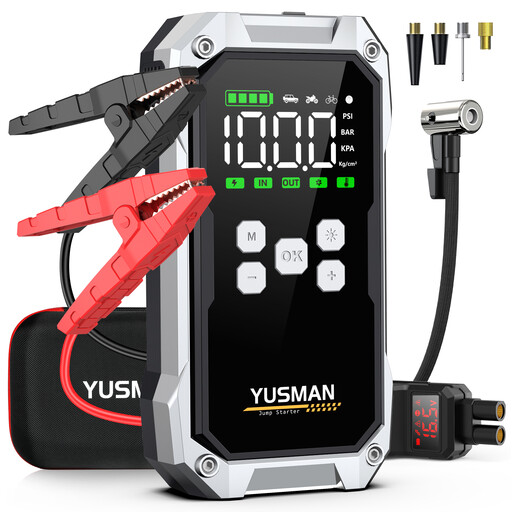
Why it's a match: For owners of RVs, vans, boats, or large SUVs. The high 5000A peak is suitable for diesel engines up to 10.0L. The built-in 150 PSI air compressor is a highly practical addition for life on the road.
This model overcomes the 'peak amp myth' (pitfall 1) by actually delivering the power needed for heavy-duty engines. Its multifunctional nature justifies the specifications.
An all-in-one emergency solution: a very powerful jump starter and a tire compressor in one robust device.
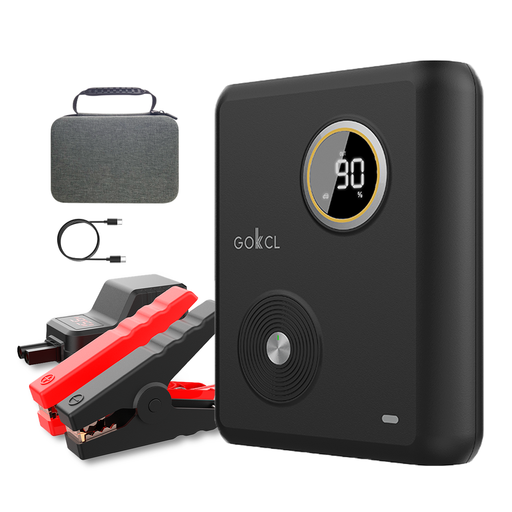
Why it's a match: For those looking for a durable, low-maintenance solution. According to the manufacturer, its sodium-ion technology offers a standby time of up to 5 years, a much longer lifespan (6,000+ cycles), and is safer in extreme temperatures.
This model focuses on long-term durability and reliability, not on inflated marketing numbers. The chemistry is inherently safer and more stable, addressing all three pitfalls.
Extremely long lifespan and standby time. A 'set and forget' solution that remains reliable for years without constant maintenance.
We have compiled a complete, up-to-date list of products that fully meet these strict selection criteria and safety standards.
For most traditional lithium-ion jump starters, it is recommended to fully charge them every 3 to 6 months to keep the battery in good condition. For the newer sodium-ion models, manufacturers claim a much longer standby time, sometimes up to several years. Always consult the manual for your specific model for the correct maintenance advice.
Most jump starters have an operating temperature suitable for winter conditions, often down to -20°C (-4°F). High temperatures in a locked car during the summer can pose a greater risk to the battery. It is wise to not store the device in direct sunlight. According to their specifications, models with sodium-ion technology often perform better in both very low and high temperatures.
Not necessarily. It is more important to choose a jumpstarter that matches your vehicle's engine. A 4000A booster for a small city car is overkill and unnecessarily expensive. Match the specifications, especially the recommended engine displacement in liters, to your car, RV, or motorcycle for the right balance between price and performance.
