If you only juice citrus for breakfast, a citrus press is a good fit. If you also want to juice other fruit and vegetables, compare a centrifugal juicer with a slow juicer. Then consider the collection capacity, preparation and cleaning: manufacturers’ specifications describe individual models, not comparative hands-on tests. The Voedingscentrum does not include juice in the Dutch dietary guidelines, so don’t choose an appliance based on the promise that juice can replace fruit as an everyday choice.
Which juicer is right for you?
Families who mainly juice oranges
Want to serve several glasses of citrus juice and are choosing between a collection jug and pouring straight into glasses. Philips, Kenwood and Braun describe citrus presses with different ways of collecting or serving juice.
Families who vary their fruit and vegetables
Don’t want to be limited to citrus, and compare centrifugal juicers with slow juicers based on ingredients, collection and use. The Good Housekeeping Institute UK describes these as different types; Bosch and Hurom provide details for their own models.
Daily juicers who want less washing up
Give plenty of weight to the number of parts to clean, the sieve and the storage space available. Bosch and Hurom list cleaning features for specific models; Braun describes a citrus press that pours straight into a glass.
What should you look for when choosing?
First decide which ingredients you want to juice at breakfast, then compare the collection capacity, cleaning and space the appliance takes up.
| Concern |
What to look for |
Relevant consumers |
| Collecting enough juice |
Compare the jug capacity with the number of glasses you want to serve; check the spout too. |
When I’m juicing citrus for several people, I want to know whether I can collect it all together or need to pour it out part-way through. Around 36% of consumers prioritise sufficient collection capacity. |
| Cleaning up after breakfast |
Check which parts can be removed and which are dishwasher-safe according to the instructions; check how the sieve is cleaned. |
If I use the juicer often, I want to know in advance how many parts I’ll need to clean afterwards. Around 29% of consumers prioritise less washing up day to day. |
| Juicing the ingredients you want |
Check whether the model is suitable for the ingredients you want to use and what preparation is needed. |
If I want to juice fruit or vegetables as well as citrus, I’ll choose a type that suits those ingredients. Around 21% of consumers prioritise versatility. |
| Finding a suitable place to store the appliance |
Measure the space available and compare the dimensions and jug capacity of the exact model. |
If I have limited worktop or cupboard space, I want to know whether the appliance will fit without making my serving routine awkward. Around 14% of consumers choose mainly based on compactness and ease of storage. |
Common buying mistakes
-
Confusing jug capacity with juice yield
A 1-litre jug tells you how much juice it holds, not how many oranges you’ll need or how much juice one fruit will produce.
Compare the jug capacity with the number of glasses you want to serve. Don’t draw conclusions about juice yield per fruit without comparable measurements.
-
Choosing a citrus press for apples or carrots
A citrus press is designed for citrus; a centrifugal juicer or slow juicer is a different option for a more varied menu.
First make a note of the ingredients you actually want to juice, then choose the type of appliance.
If you later want to juice other ingredients too, you may find that a citrus press isn’t suitable.
-
Assuming slow juicing means healthier juice
A slow juicing process does not, in itself, prove any health benefit. The Voedingscentrum does not include fruit juice in the Dutch dietary guidelines.
Compare appliances based on ingredients, collection and cleaning; assess nutritional claims separately from the juicing method.
Brands to compare
Philips
The HR2738/00 is a compact citrus press for anyone who mainly juices citrus.
- Philips lists a 0.5-litre jug, 25 W and auto-reverse for the HR2738/00.
- When making several glasses, the limited jug capacity may mean pouring the juice out part-way through. This doesn’t apply to other Philips models.
Kenwood
The JE290A is a citrus press with a collection jug for anyone who wants to collect the juice first.
- Kenwood lists a 1-litre jug, 40 W and two-way rotation for this model.
- The stated use is for citrus; the specifications don’t measure juice yield.
Braun
The CitrusQuick 3 CJ3050BK is an option for pouring straight into glasses.
- Braun describes a drip-stop system and a press that starts when you push the fruit down.
- Pouring straight into glasses isn’t a substitute for a collection jug if you want to collect all the juice together first.
Bosch
The MES4010 is a centrifugal juicer for breakfasts featuring different types of fruit and vegetables.
- Bosch lists a 1.5-litre juice container and dishwasher-safe parts for this model.
- Check the appliance dimensions and cleaning instructions; these features don’t automatically apply to other Bosch centrifugal juicers.
Hurom
The H310A represents the slow-juicer option for anyone considering a slow-pressing appliance for different ingredients.
- Hurom lists a Multi-Auger and three parts to wash for the H310A.
- Hurom states that designs and parts may vary by model and production date. Claims about preserving nutrients have not, therefore, been independently proven.
Juicers at Joybuy
This selection includes electric citrus presses for citrus-based breakfasts and slow juicers for fruit and vegetables. Compare the products based on ingredients, collection and usage limitations.
 No image available
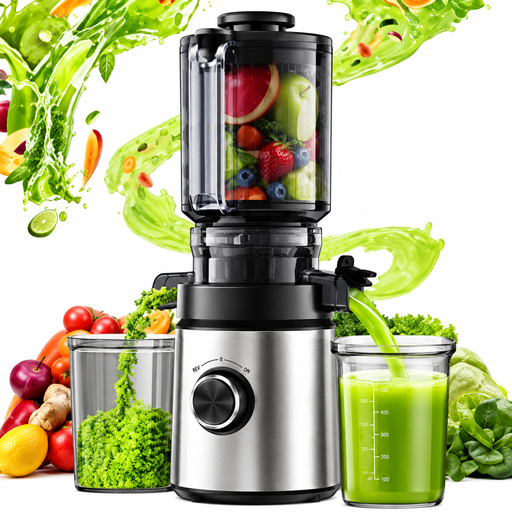
Slow juicer for fruit and vegetables, 2 l, 130 mm XL feed chute
The product name describes a slow juicer for families who want to make fruit and vegetable juice.
The stated XL feed chute is 130 mm; the product name also mentions two glasses.
View at Joybuy
 No image available
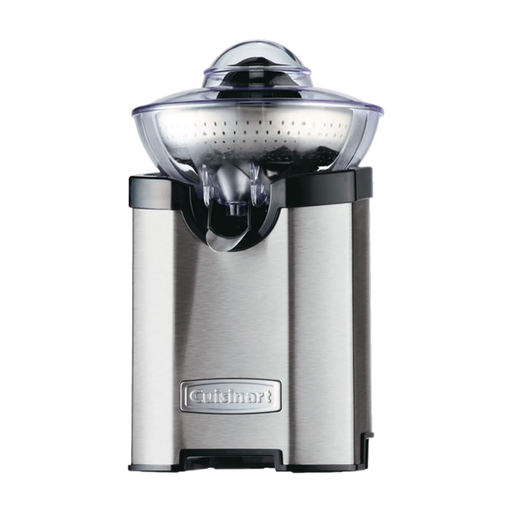
Cuisinart CCJ210E electric citrus press
Suited to breakfasts when you juice citrus and want to collect the juice.
The product name lists 100 W, an extra-wide spout, a drip-stop system and dishwasher-safe parts.
This is a citrus press; the stated uses are oranges, lemons, limes and grapefruits.
View at Joybuy
 No image available
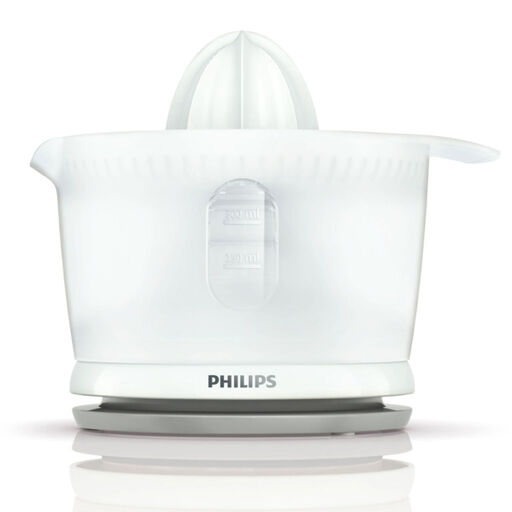
Philips Daily Collection citrus press HR2738/00
Suitable if you mainly juice citrus at breakfast and are looking for a compact citrus press.
The jug holds 500 ml and the power is 25 W. Philips notes that you may need to pour the juice out part-way through when making several glasses.
View at Joybuy
 No image available
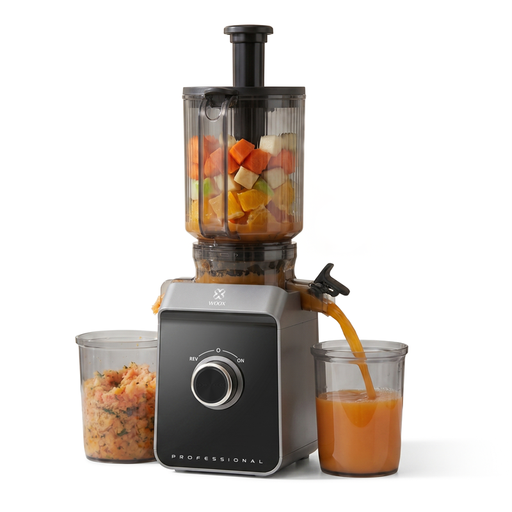
WOOX MX0289 slow juicer
A slow juicer to consider if you want to make fruit and vegetable juice slowly.
The product name lists 150 W, a 600 ml juice cup and an 836 ml pulp container.
Use the appliance for no more than 10 minutes at a time, then let the motor rest for 20 minutes.
View at Joybuy
 No image available
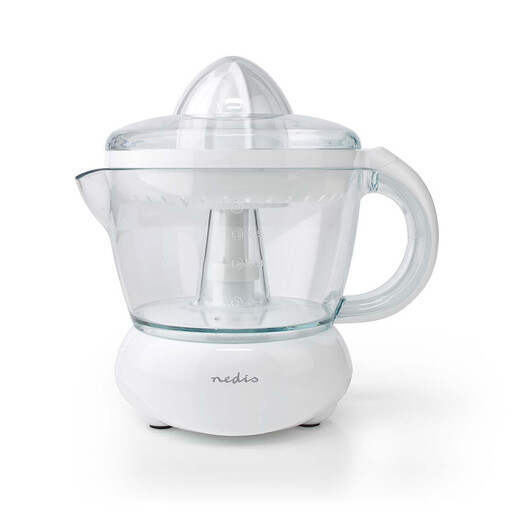
Nedis citrus press, 25 W, white
A citrus press for anyone who wants to make citrus juice at breakfast.
The product name lists a power rating of 25 W.
The stated maximum operating time is 1 minute; allow the motor to cool between uses.
View at Joybuy
Frequently asked questions
Can slow-juiced juice replace fruit at breakfast?
No. Don’t base that choice on the juicing method. The Voedingscentrum also classifies freshly squeezed juices as sugary drinks and does not include them in the Dutch dietary guidelines.
What should I look for if I’m making juice for several people?
Compare the collection jug capacity with the number of glasses you want to serve. Jug capacity tells you how much juice it holds, not how much juice you’ll get from a particular amount of fruit.
Can I juice oranges in advance?
The Voedingscentrum advises keeping freshly squeezed orange juice in the fridge for 1–2 days and setting the fridge to 4 °C. Store the juice in a clean, sealable container and follow the appropriate storage advice for other types of juice.
What can I do if my juicer develops a fault during normal use?
In the Netherlands, a product must meet what you can reasonably expect; according to the Dutch government, the retailer is your point of contact for a solution. The Netherlands does not have a fixed statutory two-year guarantee period. Also check whether parts are available for your model.


