
If you mainly want to juice citrus fruit
If breakfast usually includes orange or grapefruit juice, a citrus juicer is the obvious choice. Philips says the HR2738/00 has a 0.5-litre jug; Braun lists five pulp settings for the Braun CJ3000WH.


If you mainly juice citrus fruit, a citrus juicer is the best fit for your breakfast. For a wider range of fruit, consider a centrifugal juicer, while a slow juicer may suit you if you also want to juice vegetables. Then think about how many glasses you need, where you’ll put the appliance and store it, and how many parts you’re happy to wash.
If breakfast usually includes orange or grapefruit juice, a citrus juicer is the obvious choice. Philips says the HR2738/00 has a 0.5-litre jug; Braun lists five pulp settings for the Braun CJ3000WH.
Check the dimensions, storage options and detachable parts of the specific model. Philips lists cord storage for the HR2738/00; Hurom says the H310A has three parts to wash.
If you want to juice more than citrus fruit, compare the ingredient guidance for a centrifugal or slow juicer. Philips describes the HR1832/03R1 as a refurbished centrifugal juicer; Hurom says the H310A is suitable for fruit and soft and hard vegetables.
| What to consider | What should you check? | Who is this important for? |
|---|---|---|
| Juicing citrus fruit only | Check that the appliance is a citrus juicer, and compare the jug capacity with the number of glasses you want to make. | I mainly want to juice oranges or other citrus fruit, without processing apples or vegetables; around 36% of consumers prioritise citrus fruit. |
| Space and washing up | Compare the dimensions, storage options and cleaning instructions for the exact model. | If I have limited worktop and storage space, I don’t want to be left with lots of separate parts after breakfast; around 29% of consumers prioritise space and cleaning. |
| Juicing other fruit too | Check which ingredients the appliance can process according to its instructions, and how much juice it can hold at a time. | I want to juice other fruit as well as citrus, but vegetables aren’t my main reason for buying; around 21% of consumers prioritise other fruit. |
| Juicing vegetables too | Check which ingredients are suitable, and factor in the weight, dimensions and cleaning requirements. | If I mainly want to juice vegetables, the appliance needs to suit those ingredients as well as the space available in the holiday home; around 14% of consumers prioritise processing vegetables. |
A product title alone doesn’t always tell you what type of appliance you’re buying. Philips describes the HR2738/00 as a citrus juicer with a power rating of 25 W, so don’t assume this model can process apples or vegetables.
Check the model code, appliance type and specifications before you order.
A small jug may mean you have to pour the juice partway through. A sieve or pulp container can also add to the washing up.
Decide how many glasses you want to make at once, and check the cleaning instructions for the exact model.
Having to pour several times and wash extra parts can make breakfast take longer to prepare.
Choosing an appliance doesn’t in itself prove any nutritional benefit. The Voedingscentrum recommends eating fruit and vegetables rather than drinking them.
Choose a juicer based on the ingredients you want to process, the space available and how much washing up you’re prepared to do.
Philips offers citrus juicers and centrifugal juicers. Compare the specific models, as their features vary.
The CitrusQuick 1 CJ3000WH is designed for citrus fruit.
The H310A is a slow juicer for anyone who wants to process vegetables as well as fruit.
The MCP3000N is a citrus juicer that can serve as a model-specific point of comparison.
This selection includes citrus juicers and appliances for making juice from fruit and vegetables. First decide which ingredients you want to juice, then compare the capacity, dimensions and cleaning requirements with your breakfast routine.
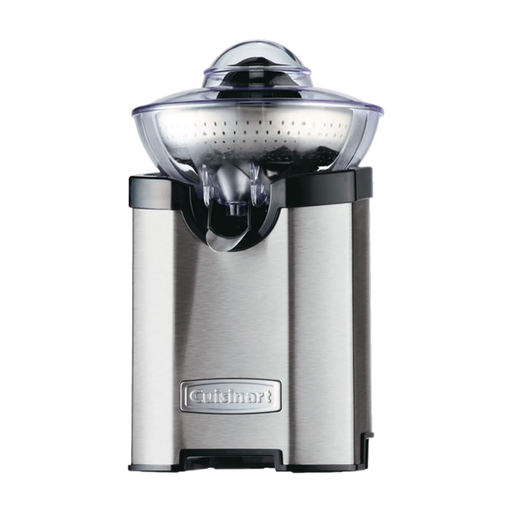 No image available
A citrus juicer for oranges, lemons and limes, among other fruit.
The juice container has a stated capacity of 1 litre. According to the product description, the removable parts are dishwasher-safe.
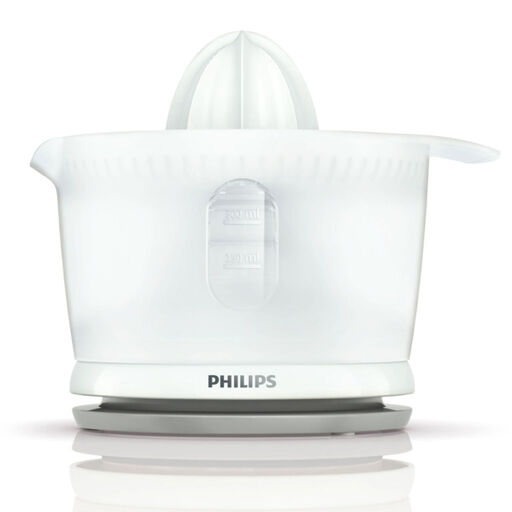 No image available
A citrus juicer for anyone who mainly wants to juice citrus fruit and values cord storage.
The stated jug capacity is 500 ml and the power rating is 25 W. The product description mentions cord storage and removable, dishwasher-safe parts.
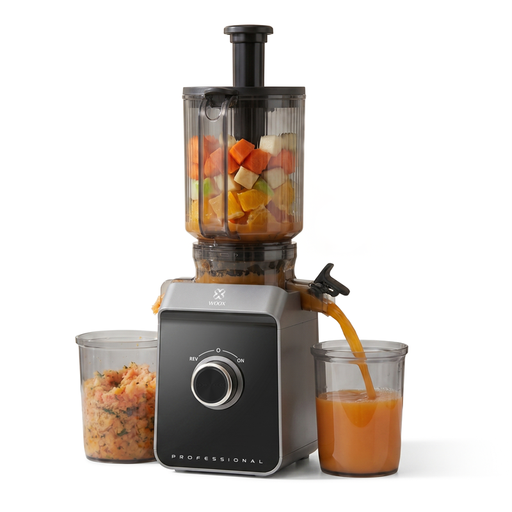 No image available
A slow juicer for making juice from fruit and vegetables, if you want to process ingredients other than citrus too.
The stated juice jug capacity is 600 ml and the pulp container capacity is 836 ml. The dimensions are 189 × 170 × 395 mm and the weight is 2,3 kg.
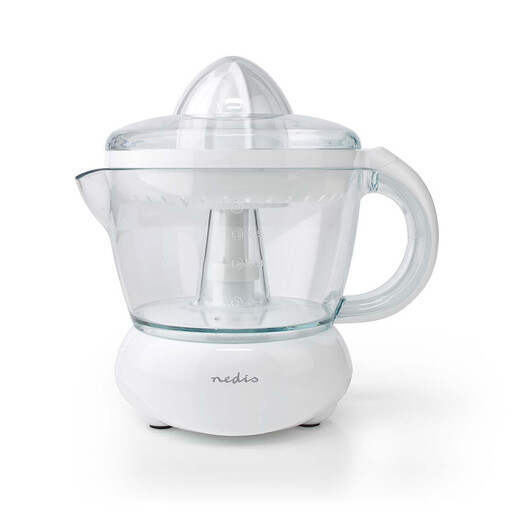 No image available
A citrus juicer for oranges, lemons and grapefruit, among other fruit.
The removable jug has a stated capacity of around 0,7 litres.
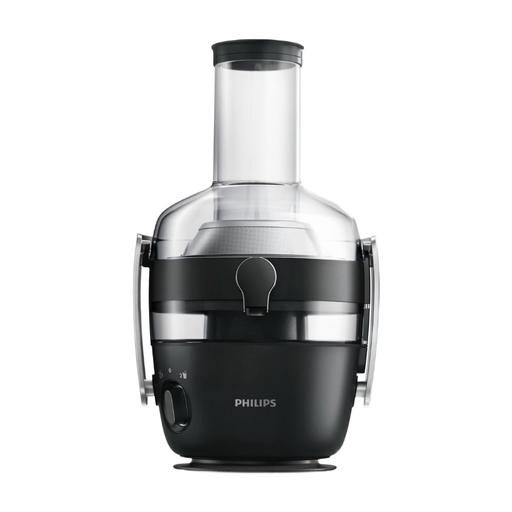 No image available
The product description lists fruit and vegetables as suitable ingredients; check the instructions for your recipes.
The stated power rating is 1000 W and the dimensions are 29,6 × 25 × 43,2 cm. The description mentions FiberBoost, which lets you choose between clearer and more fibre-rich juice, as well as a pre-clean function.
Don’t assume that a citrus juicer is suitable for this. Compare the ingredient guidance for a centrifugal or slow juicer; Hurom lists soft and hard vegetables and fruit as suitable for the H310A.
Follow the instructions for the exact model. Philips says that parts of its citrus juicers are dishwasher-safe, except for the motor unit, which should be cleaned with a damp cloth. Don’t assume another brand can be cleaned in the same way.
No. The Voedingscentrum recommends eating fruit and vegetables rather than drinking them. Choose a juicer for the drink you want to make, rather than assuming that juicing replaces eating fruit.
When you buy online from a business, you generally have 14 days from delivery to change your mind; ACM ConsuWijzer explains this period. You’re also entitled to a product that meets the terms of the agreement. If the product breaks sooner than you could reasonably expect under normal use, the seller must offer an appropriate solution. A manufacturer’s warranty doesn’t replace your statutory rights.