
Vandaag of morgen in huis

Kwaliteit gegarandeerd

Welkomstaanbiedingen ontgrendelen: GRATIS bezorging | Tot 80% korting | Gratis 30 dagen JoyPlus-proefperiode
Download de app
A juicer can quickly turn fruit and vegetables into juice, but not every appliance works in the same way. A powerful motor, for example, is not automatically suitable for daily use. A wide feeding chute also says little about how much cleaning will be required afterwards.
Anyone who focuses mainly on wattage or an appealing product claim could end up buying an appliance that is barely used after a few weeks. Instead, pay close attention to the type of juicing system, which parts need cleaning and whether the functions suit the way you intend to use it.
A 1000-watt juicer may seem appealing for hard vegetables and making juice quickly. However, power is not the only factor that determines the user experience. The sieve, blade, feeding chute, pulp container and safety system that prevents incorrect use also play a role.
Higher wattage can also mean more noise and a larger appliance. For the occasional glass of orange juice, 100 watts is often more practical than a large 1000-watt model. For families that regularly process apples, carrots and leafy greens, capacity and feeding speed may be more important than motor power alone.
A traditional juicer usually works quickly using a rotating sieve. A slow juicer uses a slower pressing process. This may suit anyone who wants to process certain types of fruit and vegetables more gently or is interested in cold-press juicer systems.
However, the term ‘cold pressed’ is no guarantee of a particular nutritional value or shelf life. According to a brand’s own product information, an appliance may be described as cold press, but the practical results also depend on the ingredients, preparation and storage time.
A juicer with an anti-drip system can help reduce drips when pouring, but check how the system is operated. Sometimes a lever or button is needed before the spout closes. Also check which parts are actually dishwasher-safe. With almost all appliances, the motor base must be cleaned with a damp cloth and must not be immersed in water.
First choose based on what you want to juice:
The power should match the quantity and hardness of the ingredients. Also consider:
According to the product specifications, the WOOX MX0289 has a 150-watt motor, a juice container with a maximum 600 ml scale and an 836 ml pulp container. The product information also states that the appliance requires a 20-minute rest period after a maximum of 10 minutes of continuous use. This is relevant information for families who want to prepare several portions one after another.
An appliance that is difficult to clean is less likely to be used. Check whether the sieve, juicing cone, juice container and pulp container can be removed. ‘Dishwasher-safe’ does not always apply to every part.
Also look for a locking mechanism that prevents the appliance from operating when parts have not been fitted correctly. A noise level can help when comparing models, but only if it has actually been specified. The WOOX MX0289 is listed in the product specifications as having a noise level of less than 72 dB. The noise level of the Braun MultiQuick 7 J700 is not specified.
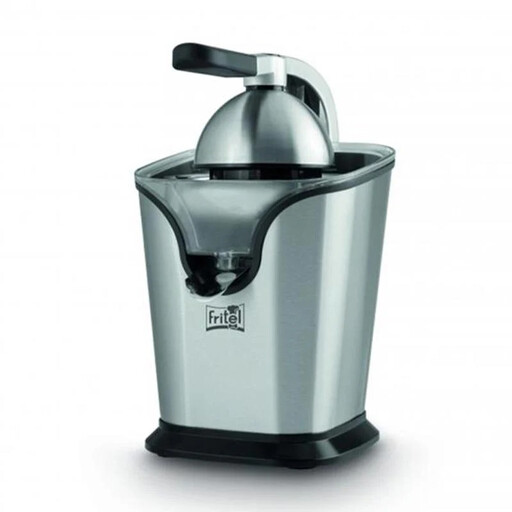
Why it suits this user profile: This model is designed for daily citrus juicing without the complexity of a general-purpose juicer. With 100 watts and two juicing cones, it is suitable for lemons, limes, oranges and grapefruits, among other fruit.
The product description mentions a drip stop, built-in pulp filter and dishwasher-safe removable parts. However, check the exact cleaning instructions before use.
100 watts, two cone sizes, anti-drip spout and compact dimensions of 270 × 185 × 165 mm.
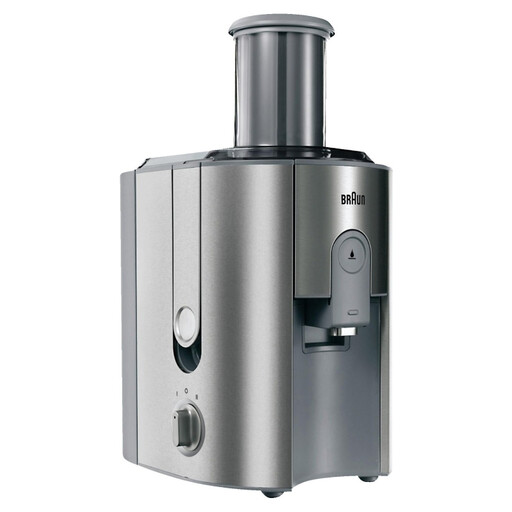
Why it suits this user profile: The combination of 1000 watts, two speeds and a 75 mm feeding chute is ideal for users who want to process different types of fruit and vegetables quickly.
The specifications list an anti-drip system, a 2-litre pulp container and dishwasher-safe parts. The noise level has not been provided, so do not compare it based on assumptions.
1000 watts, two speeds, 1.25-litre juice container and a cleaning brush included.
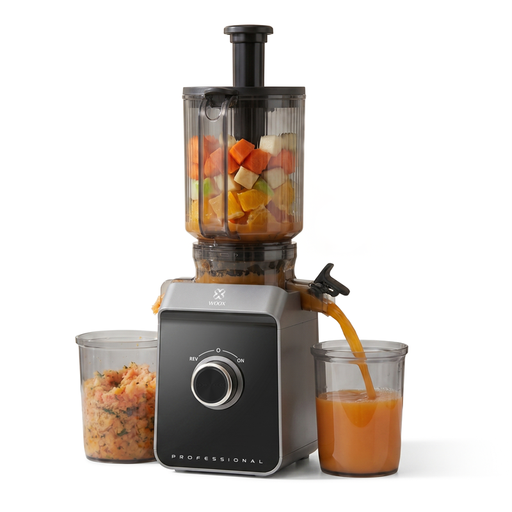
Why it suits this user profile: This slow juicer is designed for users who want to make juice from fruit and vegetables using a slow pressing system, with separate containers for juice and pulp.
The product information mentions overheating protection, a maximum continuous operating time of 10 minutes and a stated noise level of less than 72 dB.
150 watts, 1.8-litre chamber, 836 ml pulp container and wide feeding chute according to the product specifications.
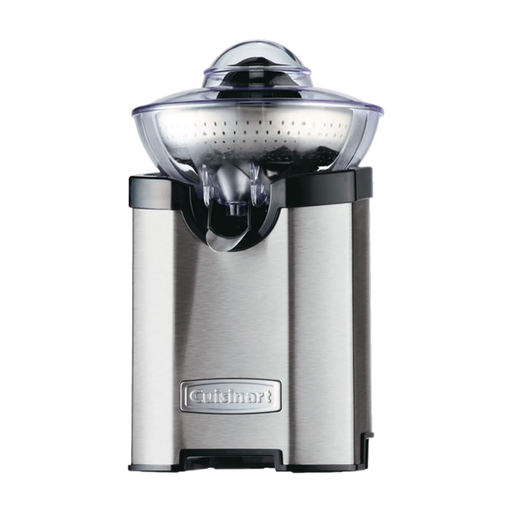
Why it suits this user profile: This is an electric citrus juicer for oranges, lemons and limes. It is simple to operate: place the fruit on the juicing cone and press down.
The product specifications mention an anti-drip system, a wide spout and removable dishwasher-safe parts.
100 watts, stainless-steel housing, 1-litre juice container and a three-year manufacturer’s warranty according to the product information.
We have put together a complete, up-to-date list of products that fully meet these strict selection criteria and the applicable European safety regulations.
A juicer generally uses a rapidly rotating sieve and is designed for speed. A slow juicer presses ingredients more slowly. The right choice depends on the types of fruit and vegetables, your preferred preparation time and how much cleaning you are prepared to do. Always check the list of ingredients in the manual.
The lifespan depends on how often it is used, how well it is maintained and whether the maximum operating time is followed. Clean the parts immediately after use, avoid overloading the appliance and do not use ingredients excluded by the manufacturer. Overheating protection helps protect the appliance, but it does not replace rest periods or proper maintenance.
Electricity costs depend on the wattage and operating time. A 1000-watt appliance theoretically uses 1 kWh after one hour of use, while a 100-watt model uses 0.1 kWh over the same period. In practice, a juicer is usually used for only a short time. Compare the wattage with your daily preparation needs and also consider the time required for assembly and cleaning.
