
Vandaag of morgen in huis

Kwaliteit gegarandeerd

Welkomstaanbiedingen ontgrendelen: GRATIS bezorging | Tot 80% korting | Gratis 30 dagen JoyPlus-proefperiode
Download de app
A juicer can quickly make juice from apples, carrots, cucumber and other ingredients. However, not every appliance is suitable for every kitchen. An electric citrus press works differently from a juicer for fruit and vegetables, while a slow juicer is mainly designed for gentle pressing and versatile use.
The biggest buying mistakes usually stem from three misunderstandings:
Anyone who only considers price or power may discover after just a few weeks that the appliance takes up too much space, is difficult to clean or is too small for several glasses of juice.
Do you mainly want to juice oranges, lemons, limes or grapefruits? In that case, a citrus press is usually a more logical choice than a full juicer. A manual citrus press is compact and does not require electricity. That makes it suitable for occasional use or a small kitchen.
An electric citrus press reduces the effort required. Look for a universal pressing cone, an anti-drip spout and parts that can go in the dishwasher. A stainless-steel citrus press also has a housing that is generally easy to wipe clean, but always check exactly which parts are made of steel.
For making vegetable juice with carrots, apples, celery or cucumber, you need an appliance with a suitable sieve and pulp ejection system. A centrifugal juicer generally works quickly by finely grating the ingredients and separating the juice. This type is suitable for users who prioritise speed.
A slow juicer presses ingredients using a slowly rotating auger. Brands sometimes cite specific yield percentages or noise levels in their own research or product information. Treat such figures as the brand’s product specifications; the results also depend on the ingredients, how they are cut and the amount of fibre they contain.
A motor rated at 600 to 1000 watts can be practical for regular use, but the stated power is not a direct guarantee of more juice. Two speeds are useful if you want to process both soft and hard ingredients.
Also check the usage restrictions. According to WOOX product information, bananas, avocados, sugar cane and corn are among the ingredients not recommended, as they can clog the filter or damage components. This is a good example of information that matters more than a marketing claim about versatility.
A juicer with a wide feeding chute reduces the amount of chopping required. According to the product specifications, the Bosch MES4000 has an 84 mm opening, a 1.5-litre juice jug and a 3-litre pulp container. This can be useful for a family, but you should still check the maximum size and hardness of the ingredients.
For one-person households, a jug with a capacity of 0.5 to 1 litre is often sufficient. A larger container means you do not have to empty it between several glasses, but it also makes the appliance larger and heavier.
A dishwasher-safe juicer can save time, but check which removable parts are suitable for this. The motor base, plug and cable should not be exposed to water. Sharp blades and sieves must be handled carefully.
Useful safety features include a lock that prevents the appliance from starting when components have not been fitted correctly, automatic shut-off when opened and non-slip feet. An anti-drip system helps keep your worktop cleaner, but wipe up spilled juice immediately.
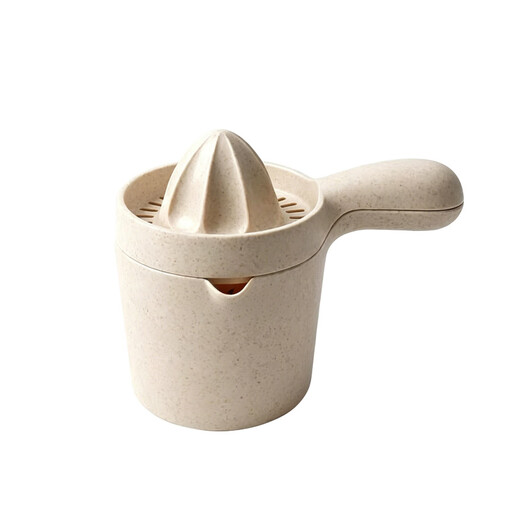
Why it suits this profile: A compact solution for oranges, lemons and other citrus fruit, with no motor or complicated controls.
You do not pay for power you do not need. Bear in mind, though, that manual pressing requires more effort.
Manual design and a 500 ml capacity; suitable for small portions.
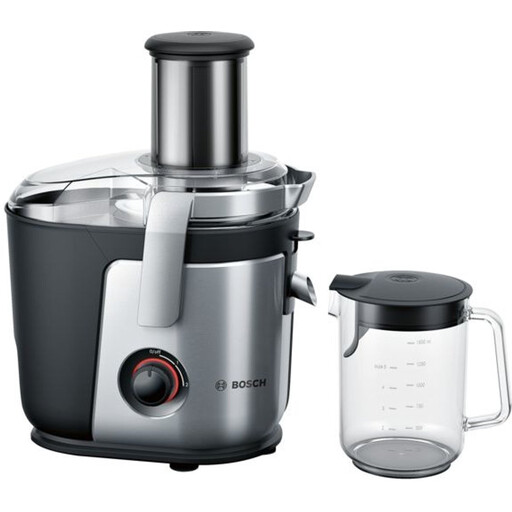
Why it suits this profile: Designed for households that regularly make fruit and vegetable juice and value capacity and ease of use.
The wide opening, automatic pulp ejection and dishwasher-safe removable parts address three common usage problems.
1000 watts, two speeds, an 84 mm feeding chute, a 1.5-litre juice jug and a 3-litre pulp container.
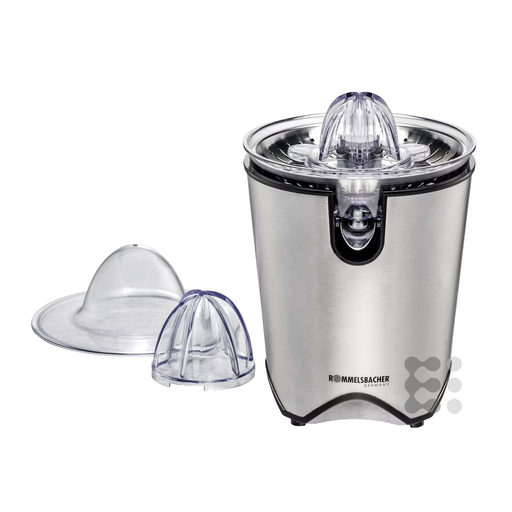
Why it suits this profile: An electric citrus press for anyone who serves juice frequently and appreciates a compact stainless-steel housing.
The universal pressing cone and automatic on/off function eliminate the need for manual switching. Power information varies between listings, so check this before buying.
Stainless-steel housing, anti-drip spout, compact dimensions and dishwasher-safe removable parts.
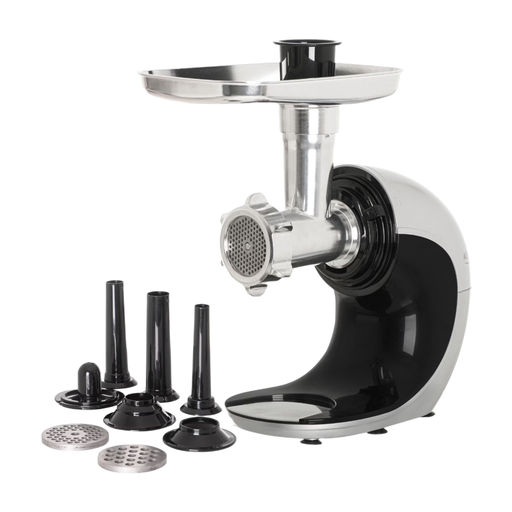
Why it suits this profile: Suitable for anyone who wants to slice or grate vegetables as well as make juice, and is looking for one multifunctional appliance.
The reverse function can help clear a blockage. However, bear in mind the 6 kg weight and the larger footprint of a 3-in-1 appliance.
Slow juicer with 150 watts, a capacity of 0.8 litres, reverse function and accessories for grinding and slicing vegetables.
We have compiled a complete, up-to-date list of products that fully meet these strict selection criteria and the applicable European safety regulations.
A juicer generally grates ingredients quickly and separates the juice using a sieve. A slow juicer uses a slowly rotating pressing screw. Choose the first type for speed and larger batches; choose a slow juicer when you value a quieter appliance and multiple functions. Always check the product specifications, as these terms are not used identically by every seller.
Look for a wide feeding chute, at least two speeds, a large pulp container and a sturdy sieve. Suitable motor power is useful for hard vegetables such as carrots, but process ingredients according to the instructions. Cut long fibres or large pieces into smaller ones when recommended by the manufacturer.
Its lifespan depends on how often it is used, how well it is cleaned and whether ingredients are processed correctly. Rinse removable parts after use, remove pulp from the sieve and allow the parts to dry completely. Do not use the appliance if a blade, cable or locking mechanism is damaged. In the Netherlands and the European Union, consumers generally have a minimum of two years’ legal guarantee; additional manufacturer warranties vary by product.
