
Vandaag of morgen in huis

Kwaliteit gegarandeerd

Welkomstaanbiedingen ontgrendelen: GRATIS bezorging | Tot 80% korting | Gratis 30 dagen JoyPlus-proefperiode
Download de app
A glass of fresh juice is a simple way to start your day. But the search for the right juicer is often less straightforward. The market is flooded with models that promise the world. As a Product Recommendation Officer at Joybuy, I cut through the marketing fluff to give you objective advice. Let's look at the three most common pitfalls that cause you to spend money unnecessarily.
Many people make a choice based on misleading specifications or empty promises. Recognise these pitfalls and avoid buyer's remorse.
To make the right choice, it's important to understand the basic types and a few crucial specifications.
The technology determines what you can do with the juicer.
Besides the type, two practical matters determine the ease of use.
Based on these objective criteria, we have selected a number of models that suit different user profiles.
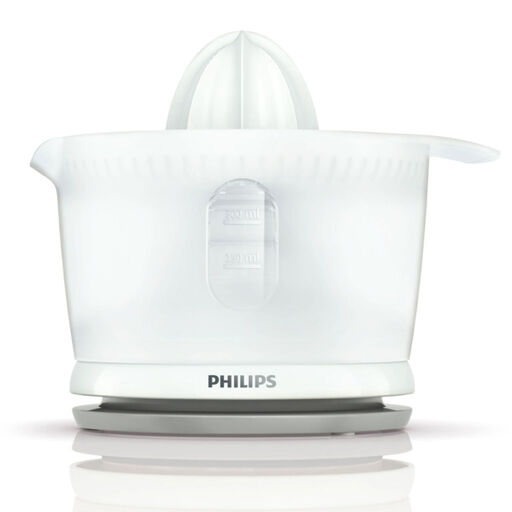
Why This Fits Their Persona: Perfect for those who want a fresh glass of orange or lemon juice quickly and without any fuss. No complex settings, just press and go. Its compact size fits in any kitchen.
This model prevents you from overpaying for features you don't need. It's a pure electric citrus press that delivers on the "easy to clean" promise with dishwasher-safe parts.
Compact design with cord storage. All removable parts are dishwasher-safe. The 500 ml jug is large enough for 2 glasses of juice.
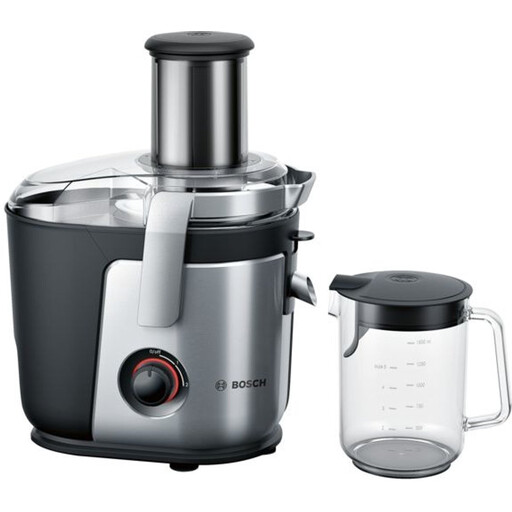
Why This Fits Their Persona: For families who want to quickly and efficiently make juice from all kinds of fruits and vegetables. The powerful motor and large feed chute make juicing large quantities a breeze.
This model tackles the "hard to clean" pitfall with a ceramic blade and a smooth stainless steel sieve, which Bosch claims makes cleaning significantly easier. The XXL feed chute (84 mm) saves you from endless chopping.
Very large feed chute, powerful 1000W motor with 2 speeds for hard and soft fruit, and a large 1.5-litre juice jug. The drip-stop feature keeps the countertop clean.
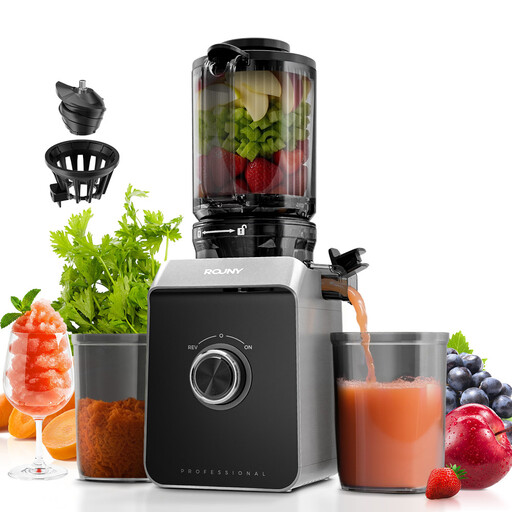
Why This Fits Their Persona: Ideal for those who pursue the highest juice quality and also want to press leafy greens, wheatgrass, or soft fruit. Its quiet operation is a major plus for early mornings.
This is a slow juicer, which debunks the "more wattage is better" myth. Its low power (150W) and RPM ensure a high juice yield. The filterless design makes the "easy to clean" claim credible.
Very large 130 mm feed chute, filterless design for easy cleaning, and the ability to make sorbet from frozen fruit. The quiet motor is ideal for morning use.
If a powerful centrifugal juicer is your preference, check out our complete list of models that meet these strict selection criteria and safety regulations.
A centrifugal juicer grates fruit and vegetables at high speed and flings the juice out. This is fast and good for hard produce. A slow juicer slowly crushes and presses ingredients, resulting in more juice (especially from leafy greens) and, according to manufacturers, higher nutritional value. The choice depends on your priorities: speed or juice quality and versatility.
The golden rule is: clean it immediately after use. Don't let the pulp dry in the sieve. Rinse all parts immediately under the tap. Use the included brush for the sieve. Models with a pre-cleaning function or a filterless design are significantly easier to maintain. Always check if the parts are dishwasher-safe.
A centrifugal juicer is considerably louder due to its high RPM (comparable to a blender). A slow juicer operates at a low RPM and is therefore much quieter, which is more pleasant if you're making juice early in the morning while the rest of the house is still asleep. The noise level is expressed in decibels (dB); a value below 75 dB is generally considered relatively quiet.
