
Vandaag of morgen in huis

Kwaliteit gegarandeerd

Welkomstaanbiedingen ontgrendelen: GRATIS bezorging | Tot 80% korting | Gratis 30 dagen JoyPlus-proefperiode
Download de app
If you regularly play football on artificial grass, you know that the right boots make all the difference. However, the search for the perfect turf boot can feel like navigating a minefield of marketing claims. Many players fall into the same traps: they buy boots that look great but fall apart after a few matches, or that simply don't offer the right grip and comfort for the hard, abrasive surface of an artificial pitch.
Before you consider buying Joma Top Flex TF football boots, it's helpful to understand the most common missteps:
To make an informed decision, there are a few technical specifications you shouldn't overlook. These determine the performance, comfort, and longevity of your Joma artificial grass football boots.
The abbreviation TF stands for Turf. A TF sole is specifically designed for artificial grass and other hard, synthetic surfaces. You can recognise it by the many small, rubber nubs distributed across the entire sole. This design has two key advantages:
Therefore, always choose a boot with a clear TF designation if you primarily play on artificial grass.
The Joma Top Flex series offers various materials, each with its own benefits.
The choice depends on your personal preference: do you opt for the classic ball feel of leather or the robust, low-maintenance properties of synthetic material?
A flexible football boot for artificial grass is crucial for natural foot movement. Joma often integrates the FLEXO system into the sole—lines that help the sole bend where your foot does. Additionally, the midsole cushioning is vital. Materials like Phylon or EVA absorb shock. Some models, such as the Joma Top Flex 2401, contain PULSOR gel particles for extra cushioning, according to the manufacturer, which can significantly enhance comfort during long training sessions or matches.
Below are some popular choices from the Joma collection, matched with different player types.

Why This Fits Their Persona: This player is accustomed to the ball feel and flexibility of Joma indoor football boots and seeks the same control on artificial grass. This model is a direct translation of that experience into a turf variant.
The leather upper provides superior ball contact and moulds to the foot, avoiding the pitfall of a stiff, unresponsive synthetic boot.
Highly flexible and durable leather upper. According to Joma, the midsole incorporates PULSOR technology for extra shock absorption.
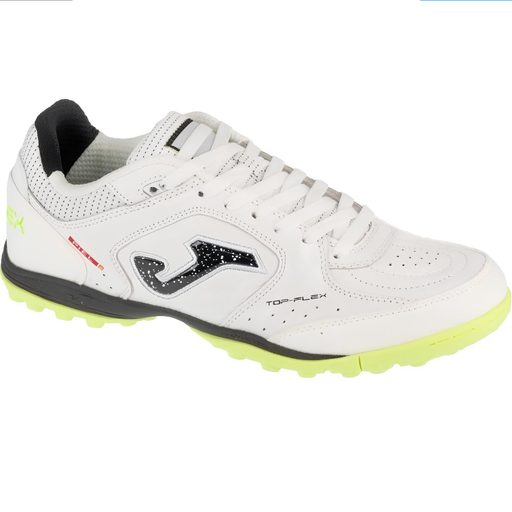
Why This Fits Their Persona: This player trains and plays weekly and needs a reliable, durable boot that is built to last. The synthetic material is ideal for the abrasive nature of artificial grass.
This model bypasses the trap of rapid wear and tear. Its robust synthetic upper is specifically designed to withstand the friction of artificial grass.
Lightweight construction for agility and a cushioned EVA midsole for shock absorption. Easy to maintain.
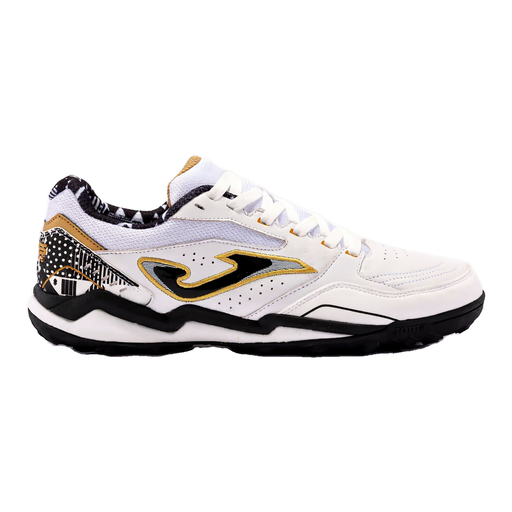
Why This Fits Their Persona: For this player, comfort is king. The hard surface of artificial grass demands superior shock absorption to relieve stress on the joints. This model specifically targets that need.
This model directly addresses the pitfall of insufficient cushioning with an advanced midsole, making it a wise choice for players sensitive to the impact of hard pitches.
Dual-density midsole (Foam Reactive and Phylon) for what Joma claims is excellent cushioning and energy return. Premium leather upper for comfort.
We have compiled a complete, real-time list of products that fully satisfy these strict selection criteria and UK safety regulations.
No, TF (Turf) soles are specifically designed for artificial grass and turf. The small rubber nubs provide insufficient grip on a smooth, hard indoor court and can even damage it. For indoor football, you need boots with a flat, non-marking rubber sole, often designated as IN (Indoor) or Sala.
Generally, Joma boots, including the Top Flex models, fit true to size or slightly on the small side. The leather turf boots in particular can feel a bit snug at first, but they will mould to your foot after a few wears. If you are between sizes or have wider feet, it might be wise to consider going half a size up.
Clean the boots after every match or training session with a damp cloth to remove dirt and rubber pellets. Let them air dry at room temperature. Never place them near a radiator or in direct sunlight, as the heat can dry out the leather and cause it to crack. To keep the leather supple, you can periodically use a nourishing leather balm.
