
Vandaag of morgen in huis

Kwaliteit gegarandeerd

Welkomstaanbiedingen ontgrendelen: GRATIS bezorging | Tot 80% korting | Gratis 30 dagen JoyPlus-proefperiode
Download de app
When searching for Joma Top Flex football boots, most people first look at colour, size and price. However, the sole is what determines grip, freedom of movement and durability. A boot that feels great in the indoor hall won't necessarily work on artificial grass. Terms like "lightweight", "durable" and "professional" also don't mean much if the playing surface and material choice aren't right.
This buying guide helps adult amateur and match-day players practically assess the differences between turf football boots and indoor football boots.
The biggest mistake happens when a player uses an indoor boot on artificial grass, or takes a turf model onto an indoor court. An AG or TF sole is designed for artificial grass and turf. An indoor boot usually has a flat rubber sole with a non-marking outsole, so it doesn't leave visible marks on the sports floor.
Always check not just the product name, but also the listed suitable playing surface.
Words like "maximum control" or "professional performance" aren't measurable guarantees. Instead, look for concrete information:
According to Joma's product description, the Top Flex models are designed with synthetic materials and textile. This can contribute to a low weight and easy maintenance, but the fit remains a personal matter.
Football boots need to fit snugly without pinching your toes. A boot that's too loose can cause heel movement; one that's too tight reduces comfort during longer training sessions. As well as length, check the width of your foot, instep height and room around the toes.
If you're torn between size 42 and 42.5, it's wise to consult the supplier's size chart and factor in the football socks you wear.
Only use a model on the surface it's intended for. This helps prevent unnecessary wear and insufficient grip.
Synthetic materials and textile are common combinations for lightweight football boots. Synthetic material is generally easy to wipe clean, while textile parts can offer flexibility and ventilation. A padded insole can improve wearing comfort, but it doesn't alone determine whether a boot fits well.
Also pay attention to the lacing construction and heel lockdown. A boot that shifts during a sprint will feel less stable, even if the sole is technically suitable.
A lower weight can be beneficial during quick changes of direction, but durability also depends on the materials and how you use the boots. "Lightweight" is therefore no reason to overlook sole type, fit or maintenance.
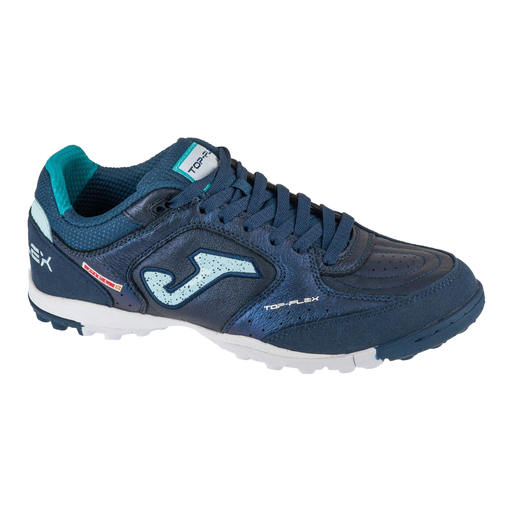
Why this fits the profile: This model is aimed at players who train on artificial grass or turf and use one clearly defined surface. The listed size is 42.5.
The product information explicitly states AG as the suitable surface. This makes the difference from an indoor model clearer than with a general sports shoe.
Synthetic and textile upper, rubber sole, padded insole and a low weight according to the product description.
Why this fits the profile: Suitable for players who value a sturdy construction, ball feel and freedom of movement on artificial grass.
The specification lists both the sole material and the AG application. You don't have to rely solely on general claims about grip.
Rubber outsole, synthetic-textile upper and a padded insole; size 42.5 is stated in the product details.
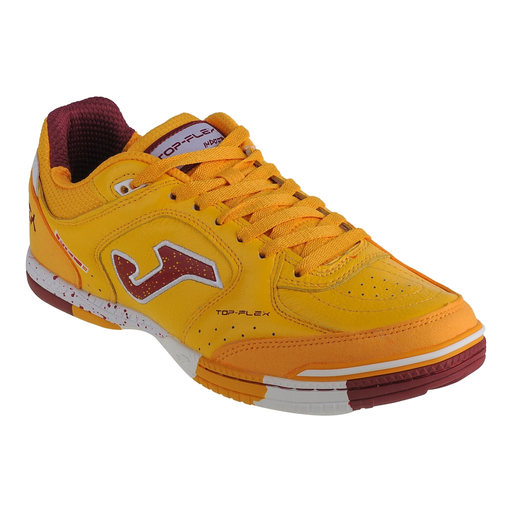
Why this fits the profile: This model is designed for indoor football and indoor courts where a flat, non-marking sole is required. The listed size is 42.
The product details mention a non-marking rubber outsole. This makes the distinction from turf football boots verifiable.
Non-marking rubber sole, padded insole, synthetic-textile upper and a stated product weight of 0.75 kg.
Clean indoor football boots after use with a soft brush or slightly damp cloth. According to the product information for the Joma Top Flex 2328 IN, this model should be hand washed, not bleached, and air dried. Avoid radiators and direct sunlight, as heat can damage materials and glue bonds.
Allow boots to dry completely after training before storing them. Don't use an AG or turf model on rough surfaces the tread isn't designed for. Also check the sole, seams and heel lining regularly.
We've put together a full, up-to-date list of products that fully meet these strict selection criteria and comply with current European safety regulations.
That depends on the model. The Joma Top Flex 2504 TF is listed in the product details as suitable for AG, or artificial ground. The Joma Top Flex 2328 IN is intended for indoor use and has a non-marking rubber sole.
This is generally not recommended. An indoor model has a flat sole designed for sports halls. Outdoors, it can wear out more quickly and may not offer the same grip as turf football boots. For artificial grass, choose a model where AG or TF is listed as the suitable surface.
The lifespan depends on playing intensity, surface, maintenance and fit. Someone who plays several times a week will see wear sooner than someone who trains occasionally. There's no fixed lifespan. Replace boots when the sole is visibly worn, the heel no longer feels stable, or the upper is coming away. The statutory warranty for consumers in the EU also applies; additional rights may apply under Dutch law.
