
Vandaag of morgen in huis

Kwaliteit gegarandeerd

Welkomstaanbiedingen ontgrendelen: GRATIS bezorging | Tot 80% korting | Gratis 30 dagen JoyPlus-proefperiode
Download de app
Finding the right sports shoes can be a maze. You're flooded with marketing jargon, flashy designs, and an endless array of models. Especially with a brand like Joma, known for its performance-oriented footwear, it's easy to make the wrong choice. A bad purchase not only leads to wasted money but can also hinder your performance or even cause injuries.
Before you make a decision, it's wise to understand the most common pitfalls:
To avoid a bad purchase, focus on the specifications that truly matter. These three points are crucial when choosing your ideal Joma sports shoes.
The most important factor is the surface you play on. Joma uses clear abbreviations to indicate the sole type.
The material of the upper determines comfort, ball feel, and durability.
The midsole is particularly important for sports involving a lot of jumping and sharp turns. Joma uses technologies that, according to the manufacturer, offer specific benefits. For instance, Foam Reactive is used for shock absorption and energy return, while Phylon provides stability. A shoe with a dual-density midsole combines the best of both worlds: comfortable cushioning and the necessary support to stabilise your foot.
Based on these specifications, we have matched several models to specific athlete profiles.
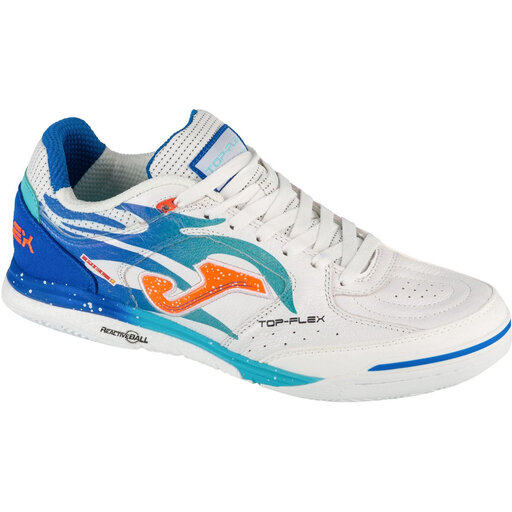
Why This Fits Their Persona: This player needs agility, ball control, and responsiveness on a hard, smooth indoor court. The shoe must be flexible for quick movements and provide excellent grip.
The non-marking rubber sole (IN) is specifically designed for indoor use, avoiding the pitfall of the wrong sole. The focus is on functional grip and flexibility, not on superfluous extras.
According to Joma, the Rebound technology in the midsole provides extra energy return. The reinforced toe cap adds durability for the typical 'toe poke' in futsal.
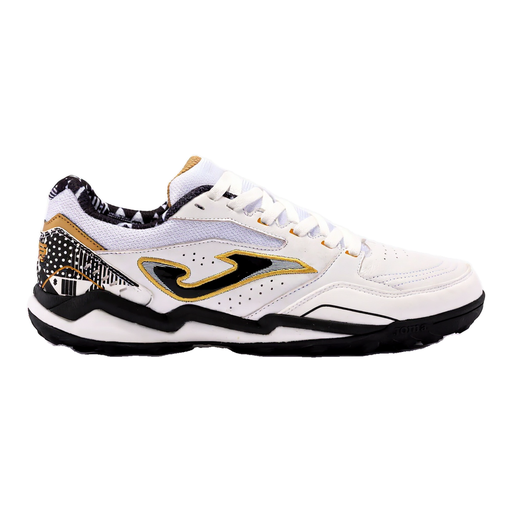
Why This Fits Their Persona: This footballer primarily plays on artificial grass and seeks a shoe that combines durability with an excellent ball feel and comfort for training and matches.
This shoe bypasses the material pitfall. The high-quality leather upper provides the superior ball feel that many players miss with synthetic shoes. The TF sole is perfectly tuned for artificial grass.
The dual-density midsole (Foam Reactive and Phylon) ensures both cushioning and stability. The reinforced rubber toe cap significantly increases durability.
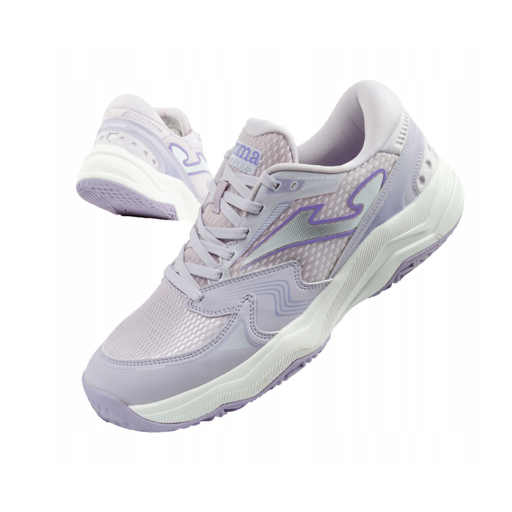
Why This Fits Their Persona: Specifically for female athletes looking for a lightweight, stable, and well-cushioned shoe for indoor sports like volleyball. Comfort and joint protection during jumps are a priority.
This model avoids the 'one-size-fits-all' trap. It is a specific Joma volleyball shoe for women, focusing on cushioning and stability rather than being a generic sports shoe.
The lightweight and breathable textile upper ensures comfort. According to Joma, the non-slip sole provides stability and safety on various indoor surfaces.
We have compiled a complete, real-time list of products that fully satisfy these strict selection criteria and UK safety regulations.
The fit can vary between models. Joma shoes generally fit true to size, but it is always wise to consult the size chart on the product page. Also, pay attention to the product description, which sometimes provides fit advice like "Fits true to size". If in doubt, it can be helpful to measure your foot length in centimetres and compare it with the manufacturer's chart.
Although both are popular series, they focus on slightly different features. The Joma Top Flex line, as its name suggests, is known for its exceptional flexibility and is often used for futsal shoes. The Joma FS Reactive models are often artificial grass football shoes (TF) with a focus on combining a premium leather upper for ball feel with an advanced cushioning midsole for comfort and performance.
This is strongly discouraged. The small rubber studs on turf shoes are designed for grip on a soft, synthetic surface. On hard surfaces like asphalt or concrete, these studs will wear down extremely quickly. This not only drastically reduces the lifespan of your shoes but also destroys the specific grip you bought them for. Only use your sports shoes on the surface they were made for.
