
Vandaag of morgen in huis

Kwaliteit gegarandeerd

Welkomstaanbiedingen ontgrendelen: GRATIS bezorging | Tot 80% korting | Gratis 30 dagen JoyPlus-proefperiode
Download de app
If you're looking for new football boots, you're likely overwhelmed by the sheer number of options. Brands promise the world with flashy designs and complex technology. But as an amateur footballer on local pitches, you primarily need a reliable, comfortable boot that gets the job done—especially if you prefer the classic feel of leather.
Before you pull out your wallet, it's wise to consider a few common pitfalls. Many players make the mistake of choosing a boot based on its appearance or a model's popularity, leading to unnecessary expense and discomfort.
A good choice starts with understanding the basics. This will prevent you from investing in a boot that needs replacing after just half a season.
To avoid a bad purchase, there are two specifications you should always check. These determine 90% of whether a boot is right for you and the pitches you play on.
For many footballers, nothing beats men's leather boots. Real leather, often calfskin or cowhide, has several distinct advantages:
Synthetic materials are often lighter and easier to maintain, but they typically lack the moulding ability and classic ball feel of real leather. If comfort and ball control are your priorities, a Joma leather football boot is a sensible consideration.
In most regions, amateur teams play on natural grass pitches. The FG (Firm Ground) sole is designed for this purpose. These soles have longer, strategically placed studs that provide grip and stability on dry to slightly damp grass fields.
A Joma FG boot is therefore typically the right choice for match days and training sessions on a standard grass pitch.
Based on these objective criteria, we have selected a few models that suit different types of players.
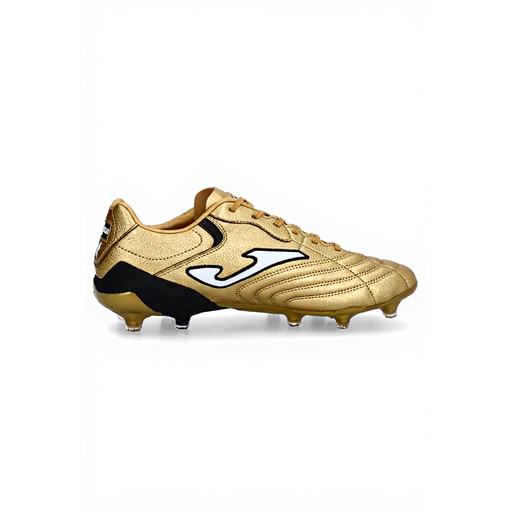
Why This Fits Their Persona: For the player who swears by a classic, no-nonsense football boot. These golden football boots offer the authentic feel of leather and a reliable FG sole for on-pitch performance, without unnecessary frills.
This boot bypasses the pitfall of stiff, synthetic materials. The natural leather upper moulds to the foot for superior comfort and feel on the ball.
High-quality leather upper for durability and flexibility. The FG sole is optimised for grip on natural grass.
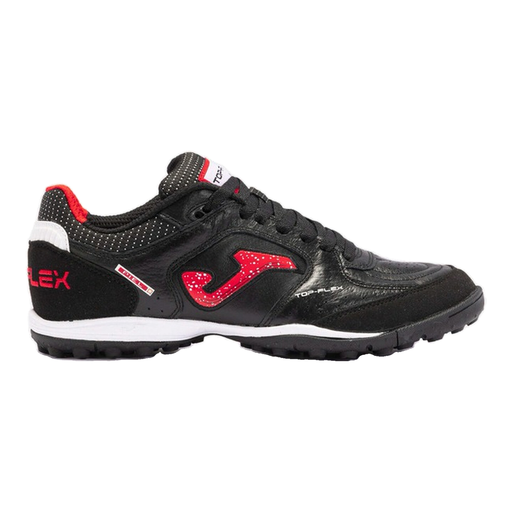
Why This Fits Their Persona: Perfect for the player who trains on artificial grass but prefers the comfort and flexibility of a leather boot. A reliable choice for those who play on multiple surfaces.
This model solves the problem of the wrong soleplate. The TF (Turf) sole with its multi-stud pattern is specifically designed for grip on artificial grass, where FG studs would fail.
Combines a flexible leather upper for ball control with a durable rubber sole that provides excellent grip on artificial grass pitches.

Why This Fits Their Persona: For the player who plays on natural grass and seeks a lightweight boot for speed, but prefers the convenience of modern materials over traditional leather.
This boot avoids the pitfall of the wrong material for your playing style. The lightweight synthetic upper is designed for speed, a trait some players prefer over the moulding properties of leather.
Lightweight construction for agility and an FG sole optimised for grip and stability on natural grass.
We have compiled a complete, up-to-date list of products that fully meet these strict selection criteria and current regulations.
Proper maintenance significantly extends the life of your leather boots. Clean the boots after every match or training session with a brush and a damp cloth to remove mud and grass. Let them air-dry naturally, but never place them on or directly next to a heater. Occasionally use a special leather conditioner or balm to keep the leather supple and protect it from drying out.
Generally, Joma football boots have a regular fit. However, it is always wise to check the sizing information on the product page. Keep in mind that real leather will stretch slightly over time and mould to your foot, so a boot that fits snugly at first will often become even more comfortable.
Using boots with an FG (Firm Ground) sole on artificial grass is strongly discouraged. The longer studs are designed to penetrate natural grass for grip. On an artificial turf, they can get stuck, which increases the risk of knee and ankle injuries. Furthermore, the studs will wear down much faster. For artificial pitches, always choose a boot with an AG (Artificial Grass) or TF (Turf) sole.
