
Vandaag of morgen in huis

Kwaliteit gegarandeerd

Welkomstaanbiedingen ontgrendelen: GRATIS bezorging | Tot 80% korting | Gratis 30 dagen JoyPlus-proefperiode
Download de app
Whether you're competing in a fast-paced futsal match or training indoors, the right shoes are crucial. They determine your grip, ball feel, and agility. Joma indoor football shoes are a popular choice among many players, known for their flexibility and comfort. But with different models designed for various surfaces, making a decision can be challenging. This article will help you understand the specifications, so you can make an informed choice that suits your playing style and surface.
Before making your choice, it's helpful to consider a few key features. These specifications determine how the shoe will perform during play.
The most important factor is the surface you play on. Joma uses clear abbreviations to indicate the sole type:
Indoor football and futsal demand quick movements and direct ball contact. Flexible indoor shoes are therefore not a luxury, but a necessity. The Joma Top Flex line was specifically developed with this in mind. According to the manufacturer, Joma, the technology in the sole and upper is designed to follow the natural flex of the foot. This provides better ball feel and greater freedom of movement.
The material of the upper affects both comfort and durability. Many Joma models use a combination of synthetic material and textile. This provides a lightweight yet sturdy construction. Also, pay attention to details like a reinforced toe cap, which can extend the shoe's lifespan, especially for players who often shoot with the tip of the shoe. A good, snug fit is essential for stability during quick changes of direction.
Based on product specifications and their intended use, here are some recommended models for different types of players.

Why it stands out: This model is a classic representation of the Top Flex line, aimed at the indoor football player. The shoe combines a lightweight design with a flexible construction, intended to allow the foot to move naturally. The focus is on ball control and comfort during fast-paced indoor matches.
Pros:
Who it's for: For the futsal player looking for a light, flexible shoe for maximum control and agility on smooth indoor courts.
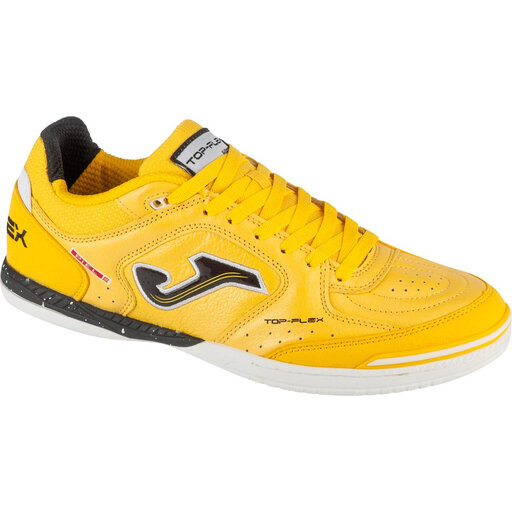
Why it stands out: This model shares many features with other Top Flex IN shoes but places extra emphasis on comfort through shock absorption. The combination of synthetic materials and textile in the upper provides a balance between durability and breathability.
Pros:
Who it's for: Players who, in addition to flexibility, also value extra cushioning and comfort during long or intensive training sessions and matches indoors.
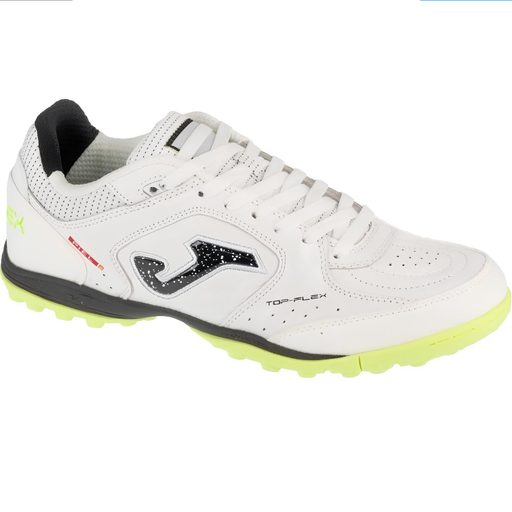
Why it stands out: This is the variant for players who play on artificial grass. The shoe retains the flexibility and comfort of the Top Flex series but is equipped with a specific TF sole. This sole is designed to provide the necessary grip on synthetic surfaces without getting stuck.
Pros:
Who it's for: The footballer who primarily wants to play in Joma artificial grass shoes on pitches like turf or older-generation artificial grass, and needs a reliable, flexible shoe.
Every player has unique preferences when it comes to fit, material, and design. If the models above don't quite match what you're looking for, more options are available. A wider selection can help you find the perfect match for your feet and playing style.
Check out our wider range of footwear to discover other models and brands.
What is the difference between Joma IN (Indoor) and TF (Turf) shoes? The main difference is in the sole. IN shoes have a flat, non-marking sole designed for maximum grip on smooth, flat indoor courts. TF shoes have a sole with many small, rubber studs that provide better traction and stability on artificial grass pitches.
How do Joma Top Flex shoes fit in terms of size? Joma Top Flex models generally have a regular fit. It is recommended to choose your usual shoe size. To be sure, you can always consult the specific product details and sizing information on the product page.
What is the best way to maintain my Joma shoes? According to the manufacturer's recommendations, it's best to clean the shoes with a damp cloth or a soft brush. Avoid using a washing machine, as this can damage the materials and adhesive. After cleaning, let the shoes air dry, away from direct heat sources like a radiator.
