
Vandaag of morgen in huis

Kwaliteit gegarandeerd

Welkomstaanbiedingen ontgrendelen: GRATIS bezorging | Tot 80% korting | Gratis 30 dagen JoyPlus-proefperiode
Download de app
As a Product Recommendation Officer at Joybuy, I see many footballers struggle with purchasing new shoes. The market is saturated with marketing jargon and flashy designs. The result? Players who have to look for a new pair after just a few matches. Or worse, they play with shoes that are unsuitable for their skill level or the playing surface, leading to discomfort and poor performance. This guide will help you choose the right Joma indoor football shoes by focusing on what truly matters.
Before we look at the options, let's first discuss the most common pitfalls:
To avoid a bad purchase, there are three technical aspects you need to check. These determine the performance, comfort, and lifespan of your shoes.
The sole is the most important link between you and the surface. Joma uses clear codes to indicate the sole type.
The material of the shoe's upper determines the ball feel, fit, and durability.
Indoor football and playing on artificial grass are intense on your joints. Good cushioning is not a luxury, but a necessity. Joma integrates technologies such as:
Below are some Joma models that suit different types of players, selected based on their objective specifications.

Why This Fits Their Persona: For the player who swears by the ball feel and fit of classic leather indoor shoes, but plays on artificial grass. This shoe combines the iconic, flexible leather upper of the Top Flex with a functional turf sole.
This shoe doesn't opt for overhyped lightweight materials, but for the proven durability and comfort of leather. The TF sole is perfectly tuned for artificial grass, helping you avoid the pitfall of using the wrong sole.
The Fibratec leather upper offers excellent flexibility and ball control. The PULSOR gel technology in the sole provides great shock absorption.
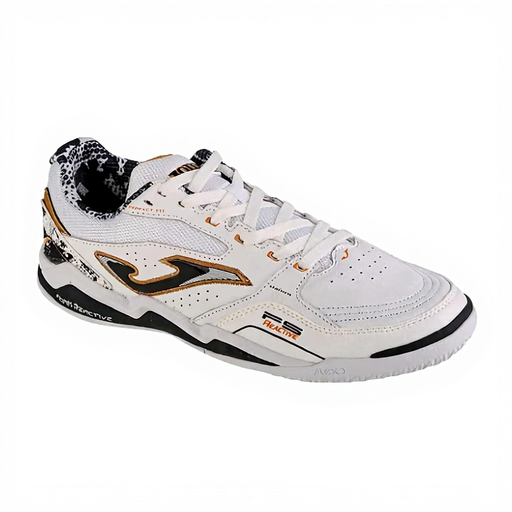
Why This Fits Their Persona: Ideal for the fast, agile indoor player seeking a lightweight and responsive shoe. This is a pure indoor football shoe, built for performance on hard, flat surfaces.
This model features the correct IN sole, ensuring you have maximum grip indoors without damaging the floor. The focus is on functional performance, not just flashy aesthetics.
The reactive sole technology enhances grip and responsiveness. The lightweight, breathable upper made of mesh and synthetic material keeps feet comfortable.
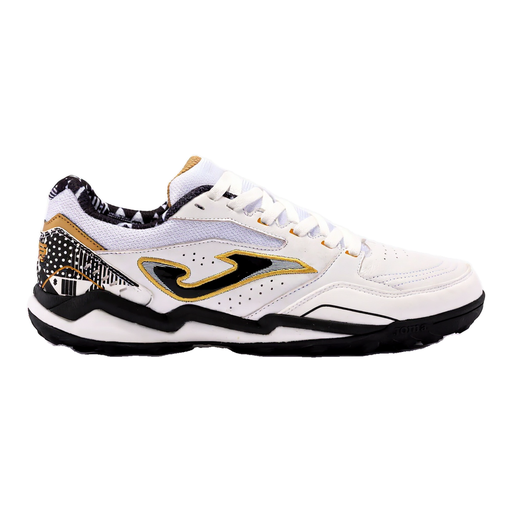
Why This Fits Their Persona: For players who train and play frequently and intensively on artificial grass. This shoe is built for durability and performance on synthetic pitches, with a focus on cushioning and energy return.
The shoe has a robust construction with a reinforced toe cap and an abrasion-resistant rubber sole, avoiding the pitfall of lightweight shoes that wear out quickly. The multi-stud sole is optimised for artificial grass.
The dual-density midsole (Foam Reactive + Phylon) offers an excellent balance of cushioning and stability, which is essential on hard artificial grass pitches.
We have compiled a complete, up-to-date list of products that fully meet these strict selection criteria and local regulations.
The lifespan heavily depends on the frequency of use, the playing surface, and maintenance. With regular use (1-2 times a week) and proper care, a leather shoe like the Joma Top Flex can last for several seasons. Synthetic models are very durable, but their lifespan is primarily determined by the sole and the seams.
No, this is strongly discouraged. The small studs on a TF sole are designed for grip on artificial grass. On a smooth, hard indoor court, they offer virtually no grip, which significantly increases the risk of slipping and injuries. Furthermore, the studs can damage some indoor floors. Always use shoes with an IN sole for indoor play.
They require slightly more attention than synthetic shoes, but it's not difficult. The most important thing is to clean them with a brush and a damp cloth after use. Let them air dry at room temperature (never near a heater). Treating the leather occasionally with a special cream will keep it supple and water-resistant, significantly extending its lifespan.
