
Vandaag of morgen in huis

Kwaliteit gegarandeerd

Welkomstaanbiedingen ontgrendelen: GRATIS bezorging | Tot 80% korting | Gratis 30 dagen JoyPlus-proefperiode
Download de app
As a Joybuy Product Recommendation Officer, I see many indoor football players struggle with purchasing new shoes. The market is saturated with marketing jargon and models that look flashy but don't always perform where it counts: on the court. A poor choice not only leads to frustration but can also negatively impact your game or even cause premature wear and tear.
Before you invest in a new pair of Joma indoor football shoes, it's crucial to understand the most common pitfalls. Many players make mistakes that are easily avoidable.
To avoid buyer's remorse, you need to pay attention to a few technical details that separate a good indoor shoe from a bad one. These are the specifications you shouldn't cut corners on.
The outsole is the most important part of any futsal shoe. For indoor use, two features are indispensable:
The material of the upper determines ball feel, comfort, and how long the shoe will last. Joma indoor football shoes often use:
Joma Invicto often feature strategically placed texture on the synthetic upper to enhance ball control.Good men's indoor shoes and unisex models offer a balance between direct court contact and sufficient cushioning. The midsole, often made of EVA foam, is responsible for this. A model like the Joma FS Reactive emphasizes a reactive sole that not only provides grip but also returns energy and absorbs shock with every step. This reduces the strain on your knees and ankles.
Not every shoe is right for every player. Based on playing style and needs, we've matched several Joma models to specific player profiles.
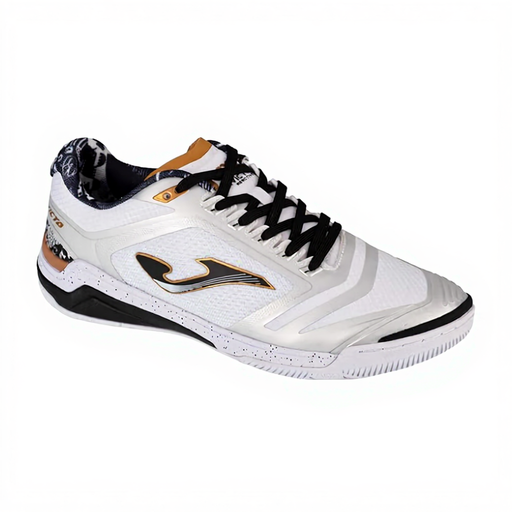
Why This Fits Their Persona: This is the ideal shoe for the recreational player seeking a reliable and functional shoe without unnecessary frills. Perfect for weekly training sessions or matches.
This shoe focuses on the fundamentals: a durable synthetic upper and a proven non-marking sole. You're not paying for marketing hype, but for pure functionality.
The textured zones on the upper offer enhanced ball control. The padded collar ensures comfort and ankle support during play.
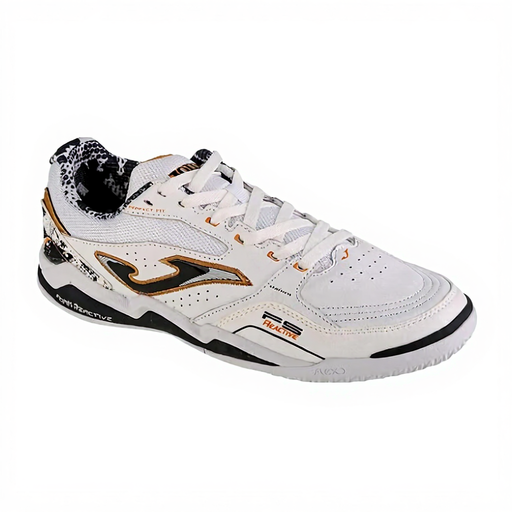
Why This Fits Their Persona: For the player who relies on speed and quick actions. This shoe is lightweight and designed for a dynamic playing style where responsiveness is key.
This model avoids the pitfall of insufficient cushioning. Its reactive sole technology effectively absorbs shock without sacrificing court feel, which is essential for agility.
The combination of a lightweight construction and a breathable upper reduces foot fatigue. According to Joma, the sole is designed to adapt to movement for superior traction.
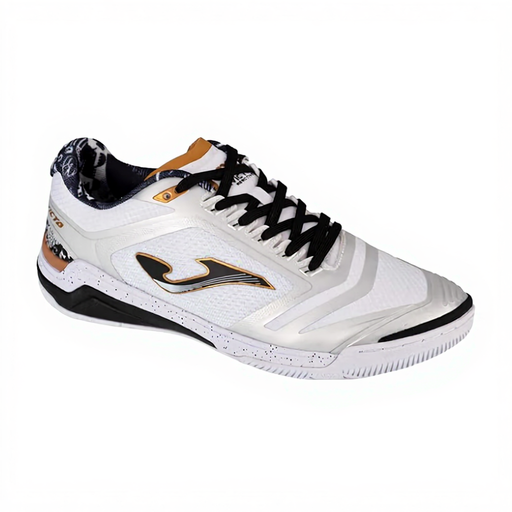
Why This Fits Their Persona: For the player who is on the court several times a week and needs a shoe that can take a beating. Durability and consistent performance are key here.
This shoe opts for a robust synthetic upper instead of lighter, more fragile materials. This avoids the pitfall of a shoe that looks worn out after half a season.
The abrasion-resistant material is designed for intensive use. The sturdy construction provides stable foot support, which helps combat fatigue during long sessions.
We have compiled a complete, real-time list of products that fully satisfy these strict selection criteria and EU guidelines.
Always check the product description for the term non-marking. These soles are typically made of a softer, abrasion-resistant rubber that doesn't leave scuffs on sports hall floors. If in doubt, you can press your thumbnail into the sole; a non-marking sole will often show a temporary indent, whereas a harder, scuffing sole will feel rigid.
The lifespan heavily depends on frequency of use, your playing style, and maintenance. For a recreational player who plays once a week, a good pair of indoor football shoes can easily last one or more seasons. Regularly inspect the shoe for wear on the sole and cracks in the upper. Using the shoes only indoors and letting them air out after playing will significantly extend their lifespan.
Yes, absolutely. Futsal shoes are specifically designed for the technical demands of indoor football. They usually have a flatter, thinner sole for optimal ball feel and control. Other indoor shoes, such as those for handball or volleyball, often have a thicker midsole for more cushioning when jumping and a different sole pattern optimized for lateral movements, but they offer less precision for kicking a ball.
