
Vandaag of morgen in huis

Kwaliteit gegarandeerd

Welkomstaanbiedingen ontgrendelen: GRATIS bezorging | Tot 80% korting | Gratis 30 dagen JoyPlus-proefperiode
Download de app
A pair of Joma futsal shoes may look suitable at first glance, but not every model is designed for the same surface or style of play. For futsal in particular, grip, flexibility and fit make all the difference. The wrong choice can lead to slipping soles, a cramped toe box or premature wear.
The term “football boot” does not automatically mean that a model is suitable for a sports hall. The Joma FS Reactive 2402 TF, for example, has a multi-stud rubber sole for artificial grass. This is a different sole type from a flat indoor sole. For wooden, PVC or other indoor sports surfaces, look for the designation IN, indoor or non-marking.
A turf sole may feel less natural on an indoor floor, so it is not the obvious choice for regular futsal. Always check the stated playing surface before placing your order.
Words such as “reactive”, “rebound” and “performance” sound appealing, but mean little on their own. Look at the specific specifications:
According to Joma’s product description, the Top Flex Rebound features rebound technology in the midsole. This is a brand or product claim; in practical terms, it mainly means that you can compare the shoe based on its stated construction, flexibility and fit. It is not a guarantee that every player will have the same experience on the pitch.
An EU size is a good starting point, but the fit varies from one model and foot to another. Pay attention to the stated insole length, width and whether the advice says “true to size” or “runs large”. Ideally, measure your feet at the end of the day while wearing the socks you use for futsal. For intense play, leave enough room around your toes without allowing your heel to lift when changing direction.
For indoor football shoes, a flat rubber sole with a suitable tread is generally the relevant specification. According to the product description, a non-marking sole does not leave visible marks on the floor. Also check whether the manufacturer explicitly lists the model as suitable for indoor use.
Grip does not depend solely on the words “anti-slip”. The floor, maintenance and dust beneath the sole also play a part. Clean the sole with a damp cloth and do not wear the shoes outdoors. This helps prevent dirt and grit from wearing down the rubber more quickly.
Futsal involves lots of short movements and changes of direction. A flexible, relatively lightweight shoe can be comfortable for players who frequently turn and accelerate. If you are looking for greater comfort during training, look for an EVA insole or a midsole made with cushioning material.
Cushioning is a comfort feature, not a promise regarding injuries or health. According to the product descriptions, several Joma models feature EVA foam for comfort and shock absorption. Compare this information with your own preferences: a soft shoe feels different from a direct, firm model.
According to the product information, an upper made from synthetic material and textile combines low weight with ventilation. A reinforced toe can be useful if you frequently make contact with the ball or floor. Leather or synthetic overlays can provide a more supportive feel, but ventilation and flexibility may vary between versions.
Also look at the lace construction and the shape of the toe box. A regular fit is not the same as a wide fit. If you are unsure, it is better to check the size chart and the specific product page than to order a size blindly.

Why it suits this profile: This model is designed for indoor football and futsal, combining a synthetic textile upper with a rubber indoor sole. This makes it a practical starting point for recreational futsal players.
The product description states that it has a non-marking rubber sole and is suitable for indoor use, so you will not confuse this model with a turf or artificial-grass shoe.
Flexible and lightweight according to the product information; EVA insole and reinforced toe for comfort and protection.
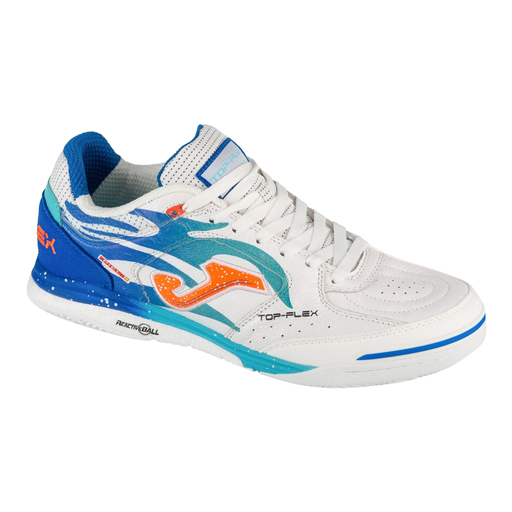
Why it suits this profile: The combination of rebound technology, an EVA insole and a non-marking rubber sole is ideal for players who place great value on responsiveness and comfort.
The key features are clearly described: indoor sole, reinforced toe, lace fastening and regular fit.
Rebound compound in the midsole; flexible, lightweight design; size 44 and regular fit.
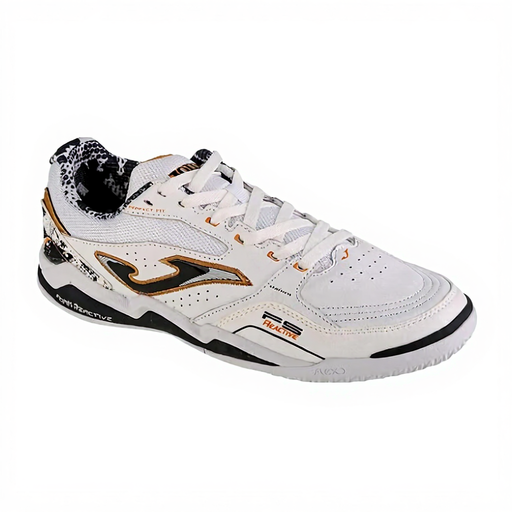
Why it suits this profile: This indoor model is designed for players who want a breathable, lightweight design and move frequently during training.
The product details state that it is suitable for indoor use and has a rubber sole, EVA cushioning and sizing advice based on insole length.
Mesh and synthetic upper; rubber sole with reactive technology according to the product description; size 42.5.
We have put together a complete, up-to-date list of products that fully meet these strict selection criteria and the applicable European safety regulations.
Clean the shoes after use with a soft, damp cloth. Do not use bleach, harsh cleaning products or a washing machine unless the product information explicitly allows it. Leave them to dry naturally, away from sunlight and direct heat. If you train several times a week, alternate between two pairs. This gives the material time to air and helps the shoes retain their shape for longer.
Use a model with a TF designation, such as the Joma FS Reactive 2402 TF, exclusively on the surface for which it is specified: artificial grass. For futsal, choose an IN model with a rubber indoor sole.
Look for models with the designation IN and check that the product description mentions indoor use and a non-marking rubber sole. The Joma Top Flex 2531 IN, Top Flex Rebound 2576 IN and FS Reactive 2402 IN are intended for indoor surfaces according to the product information provided.
Measure both feet and use the longer foot as your reference. Compare the measurement with the insole length in the size chart. Wear the same sports socks you use when playing and check that your toes do not press against the toe box. A regular fit does not mean that every model will feel equally roomy on every foot shape.
Their lifespan depends on playing hours, body weight, style of play, flooring and care. Replace them when the tread becomes visibly smooth, the sole starts to come away or the shoe no longer fits securely and provides adequate stability. Do not wear indoor football shoes outdoors: asphalt and rough surfaces can wear down the rubber and upper more quickly.
