
Vandaag of morgen in huis

Kwaliteit gegarandeerd

Welkomstaanbiedingen ontgrendelen: GRATIS bezorging | Tot 80% korting | Gratis 30 dagen JoyPlus-proefperiode
Download de app
Buying a new pair of Joma football boots seems straightforward until you have to choose between AG, FG and TF. The wrong soleplate can mean less grip, faster wear or discomfort during training. And a lightweight boot isn’t automatically right for every pitch.
As Joybuy Product Recommendation Officer, I’ve filtered out the key product specifications and common pitfalls to help you compare your options more easily. The right choice starts not with the colour or brand name, but with the playing surface, fit and how you’ll use the boots.
AG, FG and TF refer to different playing surfaces:
Wearing a pair of Joma AG football boots on natural grass doesn’t automatically mean they’re ideally suited to it. Conversely, long FG studs can feel uncomfortable on artificial grass and wear down more quickly. So always check the Suitable for Surface Type specification.
Lightweight football boots can feel comfortable for short sprints and quick changes of direction. However, a low weight says nothing about the fit, support or suitability for your pitch. A synthetic upper may be easy to care for, but it feels different from leather or a combination of synthetic material and textile.
As well as weight, consider:
Football boots should fit snugly, but your toes shouldn’t press against the front. Boots that are too roomy can slip when you turn or slow down. Measure your foot in millimetres and compare the result with the size chart for your chosen model. Wear the football socks you normally use for training when you do this.
A regular fit, as found on several models in this selection, isn’t the same as a wide fit. If you’re unsure, it’s worth checking the product information, size advice and returns policy before you buy.
For Dutch football pitches, the distinction between artificial and natural grass is important. If you mainly play on artificial grass, look at Joma AG football boots or Joma Top Flex turf football boots, depending on the type of pitch.
Where possible, wear studded football boots on the surface they were designed for. This helps keep the soleplate and grip suited to their intended use.
Laced boots let you adjust the tension around the instep. The Joma Super Copa 2401 AG is also listed as featuring EXO COUNTER and a ONE PIECE construction. According to the product description, these features are intended to provide a close fit and support around the heel.
The Super Copa 2402 FG is listed as featuring Exo Counter technology for heel stability. This is a manufacturer’s product specification, not a guarantee that every player will get the same fit or experience.
Synthetic leather or synthetic material features heavily in this selection. It can be practical for regular use, but your boots should be cleaned after every training session. Remove mud and grass with a soft brush or damp cloth, then leave the boots to dry naturally. Avoid radiators, washing machines and tumble dryers unless the label specifically says otherwise.
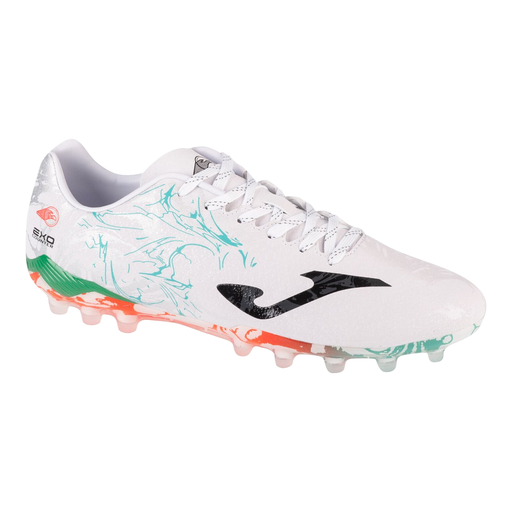
Why it suits this profile: This AG model is aimed at adults who mainly train or play on artificial grass and are looking for a straightforward, regular fit.
The AG specification makes it clear that this model isn’t primarily intended for natural grass. The synthetic upper is also easy to care for with a damp cloth.
AG rubber sole, synthetic leather, lace-up fastening and a low-cut design. The product information describes it as lightweight.
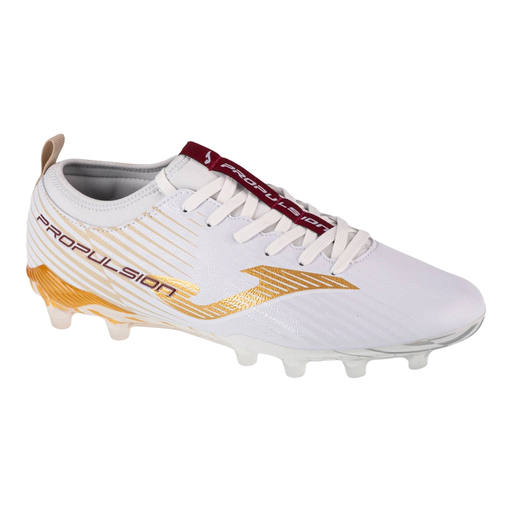
Why it suits this profile: An option for adults who play on firm natural grass and are looking for grip, a lightweight design and a synthetic leather upper.
The FG marking helps you avoid choosing an artificial grass model for natural grass. The product description specifically names firm natural grass as the intended playing surface.
FG rubber sole with strategically placed studs, synthetic leather and a low-cut design. The product is available in size 42.
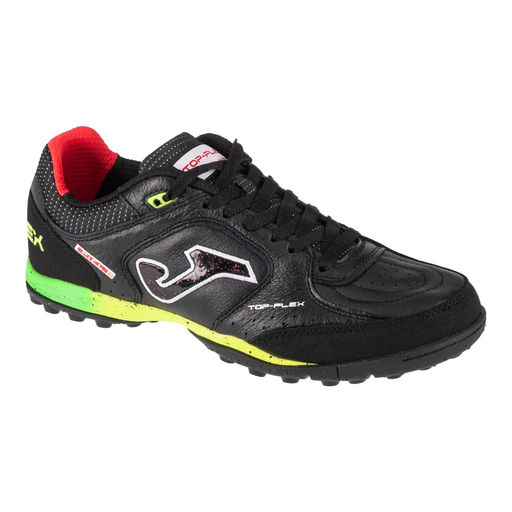
Why it suits this profile: This turf model is a good fit for players who regularly train on artificial grass and turf, and value flexibility and comfort.
The TF marking helps you avoid confusing this model with an FG or AG boot. Its tread doesn’t have the long fixed studs used for natural grass.
TF rubber sole, synthetic and textile materials, and a cushioned insole. The product information lists an ergonomic fit.
How long your boots last depends on the playing surface, how often you train, your body weight, running style and how well you care for them. An AG boot worn only on artificial grass will be put under different demands from a pair also worn on the street or indoors.
Follow this simple routine:
According to the product information and EU consumer rules, most of the models listed come with a legal guarantee of at least two years. A guarantee is no substitute for regular care, and doesn’t cover wear and tear caused by misuse.
We’ve put together a complete, up-to-date list of products that fully meet these strict selection criteria and current European safety requirements.
It depends on the soleplate. For artificial grass, it’s usually best to choose a model marked AG. TF football boots are designed for turf. Always check the product specifications, as artificial grass pitches can vary in pile length and firmness.
According to the product information, Joma FG football boots are designed for firm natural grass and have an FG stud configuration. Joma AG football boots are designed for artificial grass. The stud layout and how the boot makes contact with the surface differ, so you shouldn’t assume these models are interchangeable.
Your boots should fit securely around your foot without creating pressure points. There should be a little room around your toes, but your foot shouldn’t slide forwards. Try them on with football socks and check both the length and width. A men’s or women’s label can help you find a suitable model, but your own foot shape is what matters most.
