
Vandaag of morgen in huis

Kwaliteit gegarandeerd

Welkomstaanbiedingen ontgrendelen: GRATIS bezorging | Tot 80% korting | Gratis 30 dagen JoyPlus-proefperiode
Download de app
A pair of football boots can look convincing online and still be unsuitable for your playing surface. With Joma football boots in particular, it is important to look beyond colour, price and terms such as “lightweight” or “professional”. The sole, fit and material determine how comfortably you play and how long the boots will last.
The three most common pitfalls:
The playing surface is the first purchasing criterion. Check the abbreviation in the product name and specifications.
So, do not use an FG model as standard on artificial grass, and do not wear futsal shoes outdoors. The wrong sole can affect grip, comfort and durability. Also check the rules of your sports hall or club, as some floors require a non-marking sole.
Leather football boots can feel supple and mould to the shape of your foot. According to the product specifications, the Joma Top Flex 2401 TF uses a Fibratec leather upper with perforations for ventilation. The Joma Aguila Cup 2518 FG is described as having a natural leather upper.
Synthetic leather and synthetic materials are often easier to clean and generally retain their shape differently from leather. According to the product information, the Joma Striker 2502 FG and Propulsion Cup 2402 FG have a synthetic upper. Do not look only at the material name; also check for reinforcement around the toe, heel and lacing area.
A normal or regular fit is not automatically suitable for every foot. Look for:
Try football boots on with football socks. Your toes may lightly approach the front, but they should not feel cramped. Do not choose men's, women's or unisex styles solely based on the description in the title. The actual fit and size chart are more important.
Lightweight football boots can be comfortable for players who turn quickly and sprint frequently. That does not mean a lighter model will be more comfortable for every player. A slightly more supportive boot may be a better choice for intensive training or a powerful playing style.
According to the product description, the Joma Striker 2502 FG uses, among other features, a sock construction and Exo Counter for support. The Joma Top Flex 2401 TF is described as having a Phylon midsole, PULSOR gel particles and a reinforced rubber toe. These are verifiable product specifications; the final experience depends on your foot, playing style and surface.
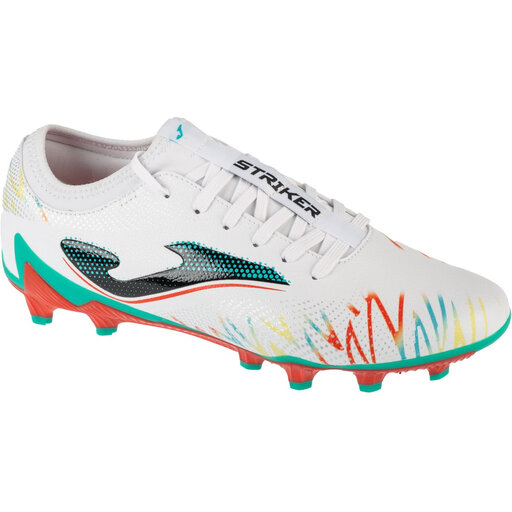
Why this suits the profile: This model is aimed at adults who train or play matches on firm natural grass and want a straightforward choice. The product details state a regular fit and size 42.
The FG designation makes the intended use clear. This helps prevent you from choosing an artificial-ground or indoor boot for natural grass.
Synthetic leather upper, rubber FG sole and a lightweight design according to the product description.
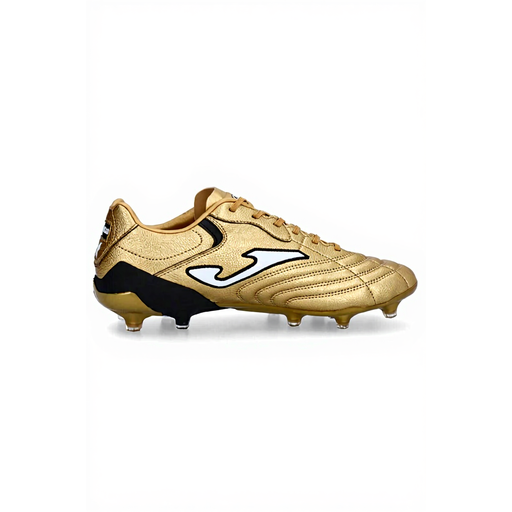
Why this suits the profile: Suitable for players who place greater importance on ball feel and a leather upper than on achieving the lowest possible weight.
The material is specifically stated as natural leather. You therefore do not need to rely on a general claim about a “premium” look.
Natural leather upper, padded collar and anatomical insole according to the product information.

Why this suits the profile: A good choice for futsal players and those playing on turf who train frequently and value flexibility, ventilation and a reinforced toe.
The TF sole is clearly indicated and linked to artificial grass in the product specifications. This prevents confusion with FG or AG studs.
Fibratec leather upper, rubber toe, Phylon midsole and PULSOR technology according to Joma’s product description.
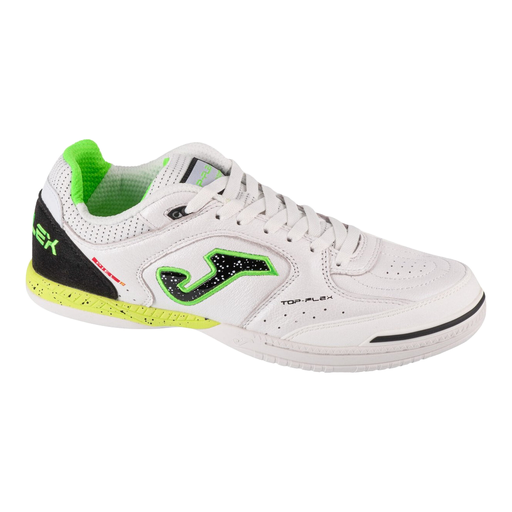
Why this suits the profile: This model is designed for adults who play exclusively in a sports hall or on an indoor floor.
The IN designation and stated indoor surface make it clear that this is not a studded boot for grass.
Rubber sole, synthetic textile upper, padded insole and regular fit according to the product details.
We have put together a complete, up-to-date list of products that fully meet these strict selection criteria and the applicable European safety regulations.
If you are looking for size 41 football boots, size 42 or size 43, it is a good idea to check the size chart for the specific model. The range includes, for example:
If possible, try boots on at the end of the day, wearing the socks you use for football. Check both feet and walk around for a few minutes. A boot that is too roomy may slip, while one that is too tight can cause pressure points. Before ordering, also check the returns policy and current stock levels.
The lifespan of football boots depends on the playing surface, frequency of use, weight, running style and care. Remove mud and grass after every training session using a soft brush or damp cloth. Allow the boots to dry at room temperature and do not place them on a radiator. Do not wash them in the washing machine unless the manufacturer expressly allows it.
According to the product information, leather models may benefit from a suitable leather cream. Only use boots on the recommended surface. Regularly check the studs, seams, eyelets and sole connection. According to the product information, the models listed are covered by at least two years of statutory guarantee under European consumer rules. This guarantee is separate from normal wear and tear caused by use.
For artificial grass, you will usually want AG football boots. On short-pile artificial grass or turf, TF turf football boots may be more suitable. Always check the type of artificial grass and the recommendation from the manufacturer or club.
That is not the recommended choice. According to the product descriptions, FG soles are designed for firm natural grass. For artificial grass, AG or TF models are generally the more logical choice, depending on the surface.
There is no fixed timeframe. Replace them when the sole, studs, fit or support visibly deteriorates. Players who train several times a week wear out their boots more quickly than recreational players. Regular cleaning and using the correct playing surface can help prevent unnecessary wear.
